With more than 10‑year industry experience, Shandong Headpowder delivers full‑service pneumatic‑conveying systems and blowers, undertaking nationwide turn‑key powder‑handling projects.
White clay, a vital industrial raw material, demands efficient and reliable transportation systems to maintain smooth production workflows. The pneumatic conveying line for white clay represents a sophisticated solution designed to handle this material with precision and minimal loss. This article explores the operation process and working principle of such a system, detailing its key components, operational steps, and technical advantages in industrial applications.
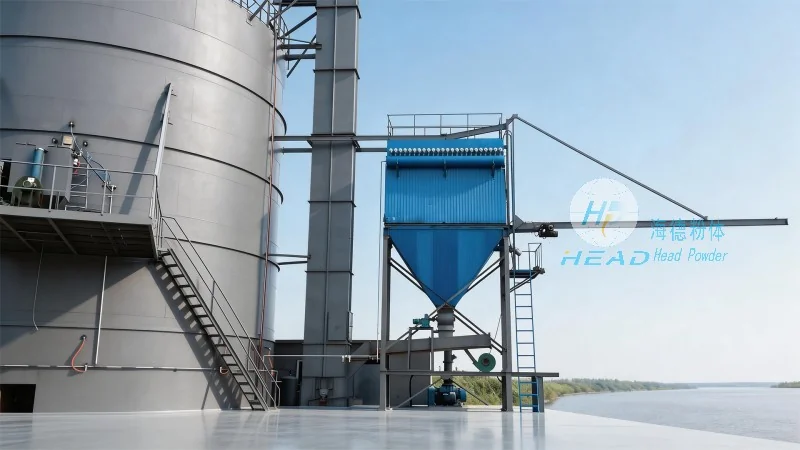
Shandong HeadPowder Engineering Co., Ltd., a leading provider in the field, specializes in designing and manufacturing advanced pneumatic conveying systems tailored to the unique characteristics of white clay. Based in Shandong, China, the company leverages decades of experience to deliver solutions that meet the demanding requirements of modern industrial processes. The white clay pneumatic conveying line is engineered to handle the material's fine particle size and potential for dust generation while ensuring high efficiency and low maintenance costs.
The white clay pneumatic conveying line comprises several critical components that work in unison to achieve effective material transport. These include the material hopper, serving as the storage and feeding unit; the air compressor or blower, responsible for generating the necessary air pressure to move the material; the conveying pipeline, which transports the material from the hopper to the destination; and the receiving hopper or silo, where the material is deposited. Additional accessories like filters, cyclones, and pressure regulators are incorporated to maintain air quality and system stability.
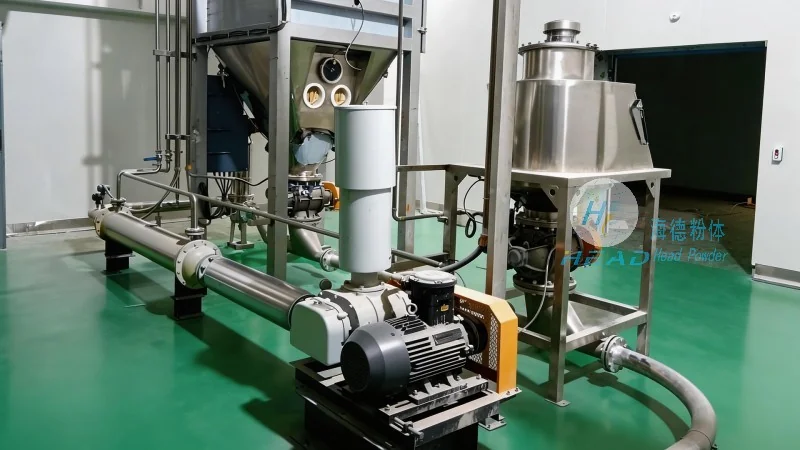
The operation of the white clay pneumatic conveying line follows a systematic sequence of steps to ensure efficient material transfer. Initially, white clay is fed into the material hopper from a storage silo or direct production line. The hopper is equipped with a feeder mechanism, such as a rotary valve or screw conveyor, which controls the flow rate of the material into the conveying line. Simultaneously, the air compressor starts and generates a steady stream of compressed air. The compressed air is then introduced into the conveying pipeline, creating a pressure differential that propels the white clay particles forward. As the material travels through the pipeline, it is suspended in the air stream, moving toward the receiving hopper. The receiving hopper is typically located at the end of the conveying line, where the material is deposited for further processing or storage. The entire process is automated, with sensors and control systems monitoring parameters like pressure, flow rate, and material level to ensure optimal performance.
The working principle of the white clay pneumatic conveying line is based on the fundamental concept of pneumatic transport, where material particles are entrained and transported by a moving air stream. The system operates under positive pressure, meaning the air pressure inside the pipeline is higher than ambient air pressure. This pressure difference creates a force that pushes the white clay particles along the pipeline. The air velocity within the pipeline must be sufficient to keep the material suspended, preventing it from settling or clogging the system. The key to efficient operation lies in maintaining the correct air-to-material ratio, balancing the need for sufficient air to transport the material without wasting energy. The system also incorporates features to prevent material degradation, such as gentle handling and minimal friction, ensuring the quality of the white clay is preserved throughout the conveying process.
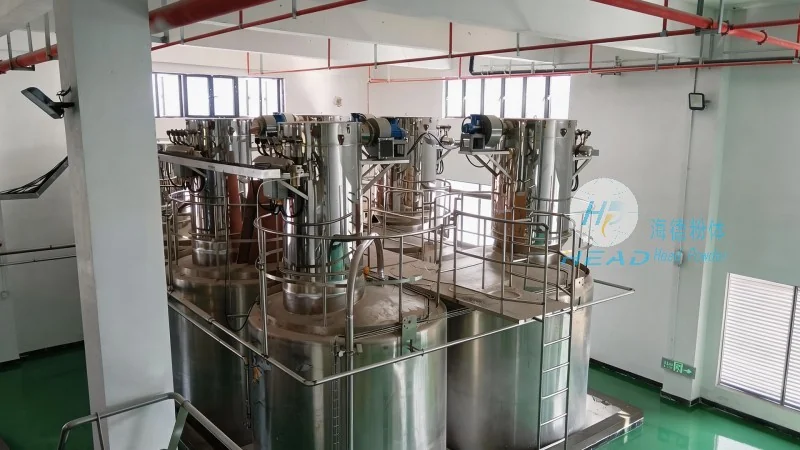
Implementing a white clay pneumatic conveying line offers several advantages over traditional mechanical conveying methods. Firstly, it provides a dust-free and enclosed system, reducing environmental contamination and improving workplace safety. Secondly, the system is highly efficient, with minimal material loss and low maintenance requirements. The enclosed design also prevents material contamination from external sources, maintaining the purity of the white clay. Additionally, the system is flexible and can be easily integrated into existing production lines, allowing for seamless expansion or modification. The automated control systems enhance operational reliability, reducing the need for manual intervention and minimizing downtime.
The white clay pneumatic conveying line is widely used in various industrial sectors where white clay is a critical component. In the ceramics and porcelain industry, the system efficiently transports white clay from raw material storage to the production line, ensuring consistent quality and reduced processing time. In the paper industry, white clay is used as a filler and coating material, and the pneumatic conveying line provides a reliable method for transporting it to the papermaking machines. The system is also applicable in the chemical and pharmaceutical industries, where the material's purity is paramount. By delivering white clay in a controlled and efficient manner, the system contributes to improved product quality and increased productivity in these industries.

To ensure the long-term performance and reliability of the white clay pneumatic conveying line, regular maintenance and proper operational practices are essential. System components, such as the air compressor, filters, and conveying pipeline, require periodic inspection and maintenance to prevent breakdowns and ensure optimal operation. Filters are particularly important as they prevent dust and debris from accumulating in the system, which can affect air quality and material transport. The air compressor should be checked for proper pressure and flow rates, and the feeder mechanism should be adjusted to maintain consistent material flow. Additionally, the system should be monitored for any signs of clogging or pressure drops, which may indicate a problem with the material or the system itself. Proper training of operators and adherence to manufacturer guidelines are crucial for maintaining the system's efficiency and extending its service life.
The white clay pneumatic conveying line, as a sophisticated and efficient solution, plays a vital role in modern industrial processes. By understanding its operation process and working principle, industries can leverage this technology to enhance productivity, improve material quality, and reduce operational costs. Shandong HeadPowder Engineering Co., Ltd. continues to innovate and provide tailored solutions that meet the evolving needs of the industry, ensuring that the white clay pneumatic conveying line remains a reliable and essential component of industrial material handling systems.

 Shandong Headpowder Engineering Co., Ltd.
 156-6277-7102(Manager Zhang)
  0531-83386006
  Zhangqiu District, Jinan City, Shandong Province, China
telephone
WeChatconsult
top