With more than 10‑year industry experience, Shandong Headpowder delivers full‑service pneumatic‑conveying systems and blowers, undertaking nationwide turn‑key powder‑handling projects.
Caustic soda, also known as sodium hydroxide, is a widely used chemical in various industrial processes, including manufacturing, water treatment, and chemical synthesis. The efficient and safe transportation of caustic soda materials is crucial for maintaining production efficiency and ensuring operational safety. Pneumatic conveying equipment has emerged as a reliable solution for handling caustic soda, offering advantages such as non-contact material transfer, reduced contamination risk, and the ability to handle both dry and wet powders. This article provides a detailed overview of the operation process and working principle of caustic soda material pneumatic conveying equipment, highlighting the key components, operational steps, and the technical advantages that make it an ideal choice for industrial applications.
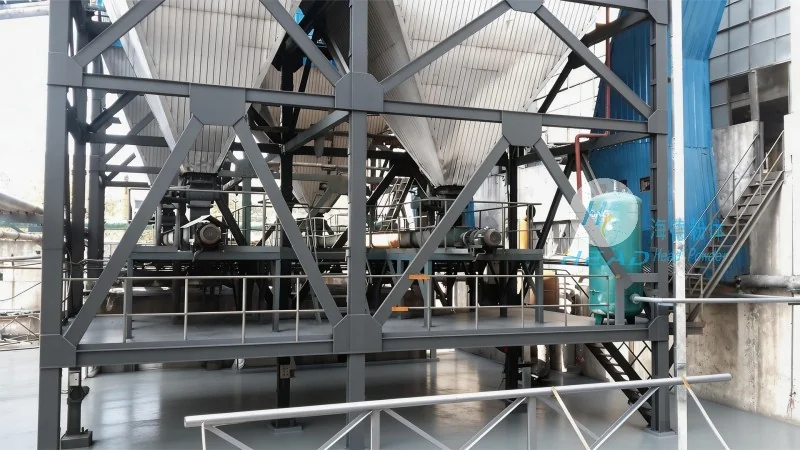
The core of pneumatic conveying systems lies in the use of compressed air or gas to transport solid materials through a pipeline. In the case of caustic soda, the system typically operates under positive pressure, where air is forced through the material to create a fluidized state. The process begins with the loading of caustic soda powder into a hopper or feeder. As air is introduced, it lifts the powder particles, creating a slurry or suspension that moves through the pipeline. The velocity of the air and the design of the pipeline (including bends, expansions, and filters) are critical factors that determine the efficiency of material transport. The system may include components like a rotary valve, a filter, and a receiver to control the flow and ensure the material is delivered to the target location without clogging or loss. The working principle emphasizes the interaction between the air flow and the solid particles, ensuring that the caustic soda is transported smoothly and safely.
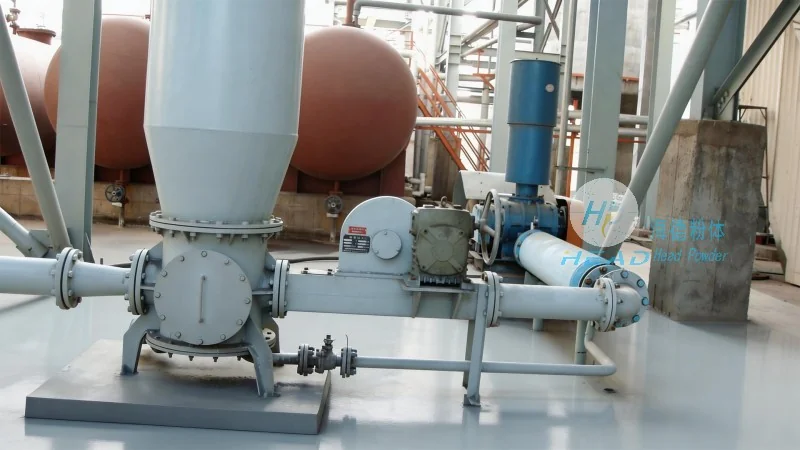
The operation of caustic soda pneumatic conveying equipment involves several sequential steps, each designed to ensure optimal performance and safety. The first step is the preparation phase, where the caustic soda material is loaded into the hopper or storage silo. The hopper is equipped with a level indicator to monitor the material volume, and a rotary valve is used to control the flow rate. The second step is the initiation of the conveying process, where compressed air is supplied to the system. The air is typically generated by a blower or compressor, and its pressure is regulated to match the system requirements. As air enters the hopper, it creates a negative pressure or positive pressure depending on the system design, lifting the caustic soda powder and transporting it through the pipeline. The third step involves the transport phase, where the material travels through the pipeline to the destination, such as a storage tank or processing unit. The pipeline may include various components like bends, elbows, and filters to maintain the flow and prevent blockages. The fourth step is the discharge phase, where the caustic soda is released from the system into the receiver or processing equipment. The receiver is designed to collect the material and may include a filter to remove any air or dust particles. Finally, the system is shut down, and the air is vented to prevent pressure buildup. Throughout the operation process, safety measures such as pressure relief valves and explosion-proof components are implemented to protect against potential hazards associated with caustic soda handling.
Compared to traditional methods like belt conveyors or bucket elevators, pneumatic conveying systems offer several advantages for caustic soda handling. One of the key benefits is the non-contact transfer of material, which eliminates the risk of contamination from equipment surfaces. This is particularly important for caustic soda, as it can react with metal or other materials, leading to corrosion or product degradation. Additionally, pneumatic conveying systems can handle both dry and wet powders, making them versatile for various caustic soda applications. The system also provides better control over the flow rate and pressure, allowing for precise delivery of the material to the desired location. Another advantage is the reduced maintenance requirements, as there are fewer moving parts compared to mechanical conveyors. The system is also more compact, saving space in industrial facilities. Furthermore, pneumatic conveying systems can be integrated with other equipment, such as mixers or reactors, to create a seamless production line. Overall, the advantages of pneumatic conveying equipment make it a preferred choice for caustic soda material handling in many industries.
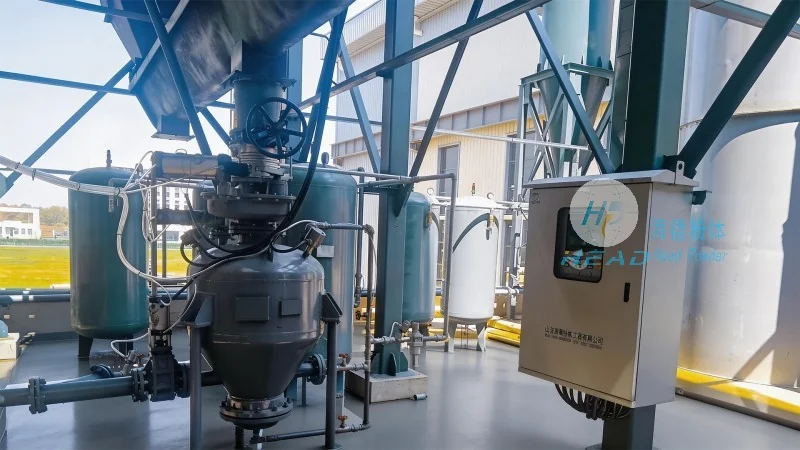
Shandong HeadPowder Engineering Co., Ltd., commonly known as headpowder, is a leading manufacturer of pneumatic conveying equipment and related industrial solutions. With a strong focus on innovation and quality, headpowder has established itself as a trusted partner for businesses in the chemical and material handling industries. The company specializes in designing and manufacturing customized pneumatic conveying systems tailored to the specific needs of caustic soda and other hazardous materials. Headpowder's team of engineers and technicians work closely with clients to understand their operational requirements and develop solutions that enhance efficiency, safety, and cost-effectiveness. The company's facilities are equipped with advanced technology and quality control measures to ensure that each product meets the highest standards. Headpowder is committed to providing reliable and durable equipment that helps clients achieve their production goals while maintaining safety and compliance with industry regulations. Based in Shandong, China, headpowder serves clients both domestically and internationally, delivering high-quality products and services that meet the evolving needs of the industry.

 Shandong Headpowder Engineering Co., Ltd.
 156-6277-7102(Manager Zhang)
  0531-83386006
  Zhangqiu District, Jinan City, Shandong Province, China
telephone
WeChatconsult
top