With more than 10‑year industry experience, Shandong Headpowder delivers full‑service pneumatic‑conveying systems and blowers, undertaking nationwide turn‑key powder‑handling projects.
Regenerated sand material pneumatic conveying systems are critical components in modern foundry and construction industries, enabling efficient and dust-free transportation of sand and other bulk materials. These systems are designed to handle the unique challenges associated with recycled sand, ensuring consistent performance and minimal environmental impact. HeadPowder, a leading provider of engineering solutions, specializes in designing and manufacturing such systems tailored to the needs of the foundry industry. The company, based in Shandong, China, leverages advanced technology and years of experience to deliver high-quality pneumatic conveying solutions that enhance operational efficiency and sustainability.
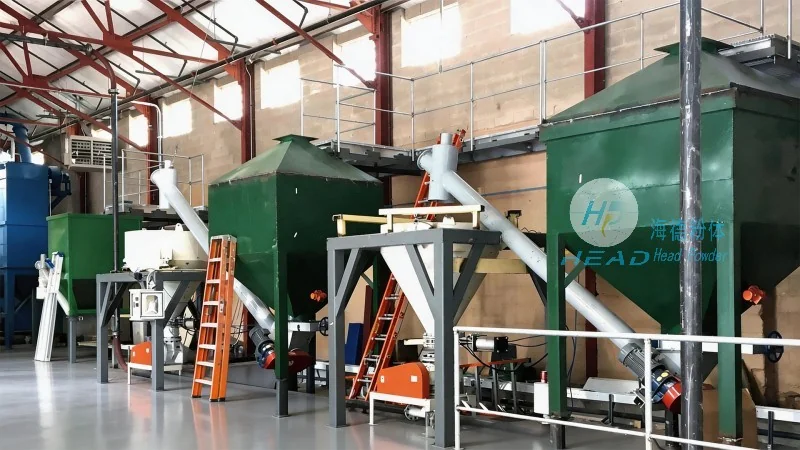
Before delving into the operation process, it is essential to understand the fundamental components of a regenerated sand material pneumatic conveying system. The system typically consists of several key elements, including a material hopper, a conveying line (often equipped with a pipeline), a blower or air compressor, a control system, and a dust collection unit. Each component plays a crucial role in the overall functionality of the system. The material hopper is responsible for storing the regenerated sand, ensuring a steady supply to the conveying line. The conveying line, usually made of metal or plastic, transports the sand through the system under pressure. The blower or air compressor generates the necessary air pressure to move the material, while the control system manages the flow rate and pressure to maintain optimal operation. Finally, the dust collection unit ensures that any airborne particles are captured, reducing environmental contamination and improving workplace safety.
The operation of a regenerated sand material pneumatic conveying system follows a systematic workflow that ensures efficient material transport. The process begins with the loading of regenerated sand into the material hopper. Once the hopper is filled, the control system activates the blower, which starts to generate air pressure. As the air pressure builds, the sand is drawn from the hopper and introduced into the conveying line. The air and sand mixture then travels through the pipeline, moving towards the discharge point. At the discharge point, the air and sand separate, with the sand being deposited into the target container or processing area. The air, now carrying fine particles, is directed to the dust collection unit, where it is filtered and cleaned before being released back into the environment. This step-by-step process ensures that the sand is transported efficiently and with minimal loss or contamination.
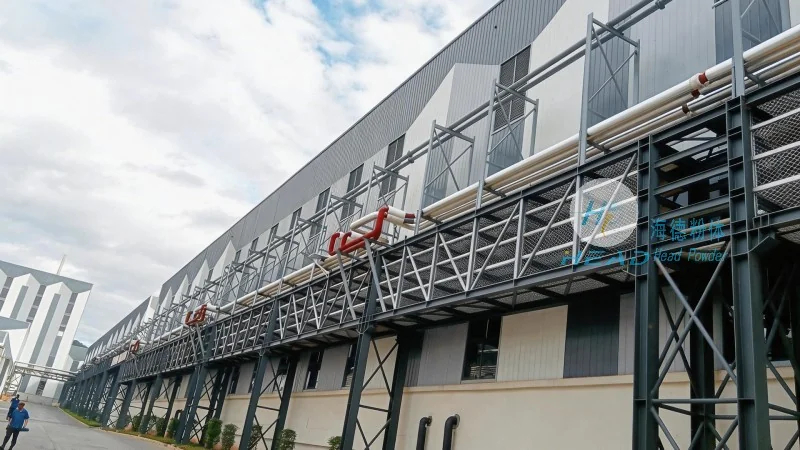
The working principle of a regenerated sand material pneumatic conveying system is based on the physics of fluid dynamics and particle transport. The system operates by creating a pressure differential between the inlet and outlet of the conveying line. The blower or air compressor provides the necessary pressure to overcome the resistance of the pipeline and the weight of the sand particles. As the air flows through the line, it entrains the sand particles, forming a mixture known as a "slurry" or "air-sand stream." The velocity of the air is critical; it must be sufficient to lift and transport the sand particles without causing excessive wear on the pipeline or equipment. The system uses various techniques, such as positive pressure or negative pressure (vacuum) systems, to achieve the desired flow. Positive pressure systems are more common for long-distance or high-capacity applications, as they can handle larger volumes of material and maintain consistent pressure. Negative pressure systems, on the other hand, are often used for shorter distances or when the material is sensitive to pressure changes. The choice of system depends on the specific requirements of the application, including the distance, material characteristics, and environmental considerations.
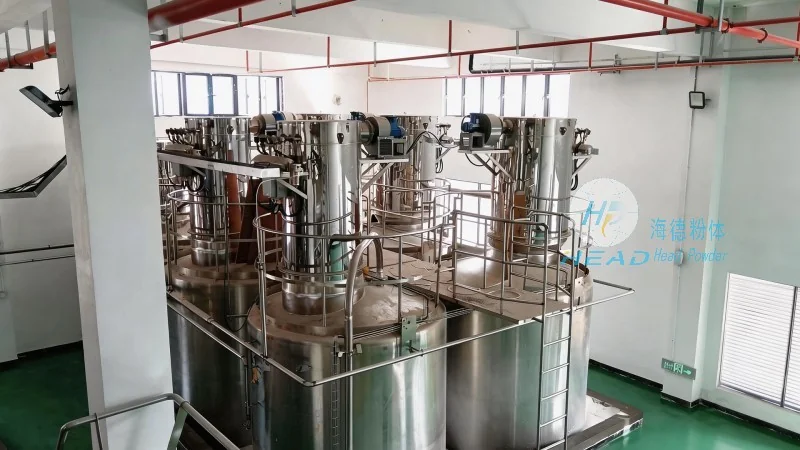
Regenerated sand material pneumatic conveying systems offer several advantages over traditional mechanical conveying methods. One of the primary benefits is the elimination of dust and noise, as the material is transported in a closed system. This not only improves workplace safety but also reduces environmental pollution. Additionally, pneumatic conveying systems can handle a wide range of material sizes and densities, making them suitable for various applications in the foundry industry. The systems are also highly flexible, allowing for easy integration with existing production lines and modifications to accommodate changing production needs. The efficiency of these systems is another key advantage, as they can transport materials over long distances with minimal energy consumption compared to other methods. In the foundry industry, these systems are commonly used for transporting regenerated sand from storage to molding machines, ensuring a consistent supply of material for the casting process. They are also used in other industries, such as construction and mining, for transporting bulk materials like sand, gravel, and cement.
In conclusion, regenerated sand material pneumatic conveying systems are essential equipment for modern industrial applications, providing efficient, dust-free, and environmentally friendly transportation of bulk materials. The operation process involves a systematic workflow from material loading to discharge, while the working principle is based on fluid dynamics and pressure differentials. The key components, including the hopper, conveying line, blower, and dust collection unit, work together to ensure optimal performance. The advantages of these systems, such as improved safety, flexibility, and efficiency, make them a preferred choice for many industries. As the demand for sustainable and efficient material handling solutions continues to grow, pneumatic conveying systems will remain a vital component in the foundry and construction sectors, contributing to the overall productivity and environmental responsibility of industrial operations.

 Shandong Headpowder Engineering Co., Ltd.
 156-6277-7102(Manager Zhang)
  0531-83386006
  Zhangqiu District, Jinan City, Shandong Province, China
telephone
WeChatconsult
top