With more than 10‑year industry experience, Shandong Headpowder delivers full‑service pneumatic‑conveying systems and blowers, undertaking nationwide turn‑key powder‑handling projects.
This document provides a comprehensive overview of the technical parameters associated with fine gravel and the associated transport system processes. Fine gravel, a critical material in various construction and industrial applications, requires precise handling and transport to ensure optimal performance. The following sections detail the key technical specifications and the systematic approach to transporting fine gravel efficiently and safely.
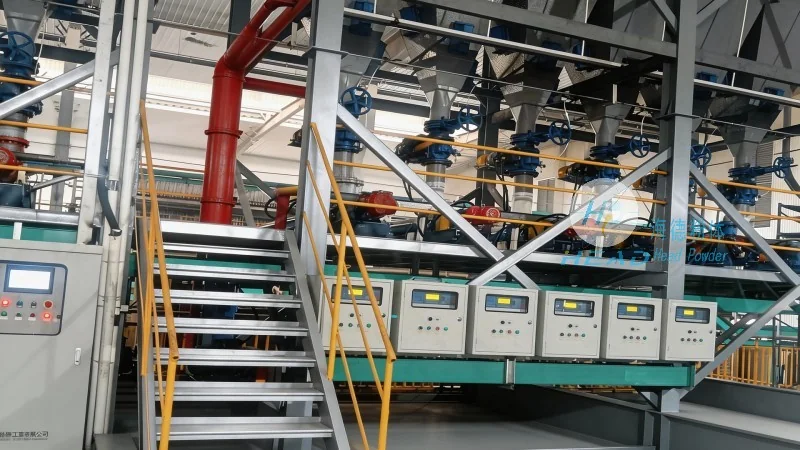
Shandong HeadPowder Engineering Co., Ltd., a leading enterprise based in Shandong, China, specializes in the engineering and implementation of advanced material transport systems. With a strong commitment to quality and innovation, the company has established itself as a trusted provider of solutions tailored to the specific needs of the fine gravel industry. HeadPowder's expertise spans the entire lifecycle of material handling, from design and manufacturing to installation and maintenance.
Fine gravel is characterized by its particle size, typically ranging from 0.5 to 2 millimeters, and its density, which generally falls between 2.6 to 2.7 grams per cubic centimeter. The specific gravity and porosity of fine gravel are also critical parameters that influence its handling characteristics. For instance, the porosity can affect the material's flowability and resistance to clogging in transport systems. Additionally, the moisture content of fine gravel is a key factor, as it impacts the material's bulk density and potential for agglomeration during transport. The chemical composition, including the presence of silica or other minerals, may also influence the material's behavior in different environments, such as in water or in contact with certain chemicals.
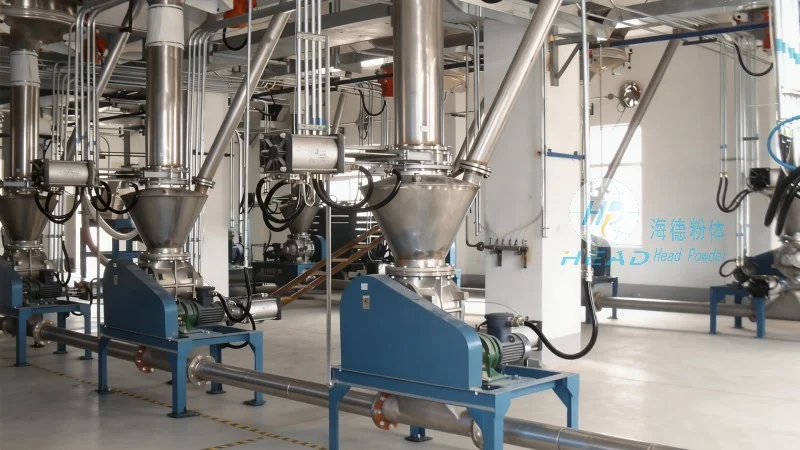
The transport system for fine gravel involves a series of integrated components designed to ensure efficient and reliable material movement. The process typically begins with material feeding, where fine gravel is introduced into the system, often through a hopper or feeder. This is followed by the use of conveyor systems, such as belt conveyors or screw conveyors, which are selected based on the specific characteristics of the fine gravel and the required transport distance. For longer distances or more complex layouts, pneumatic conveying systems may be employed, utilizing air pressure to move the material through pipelines.
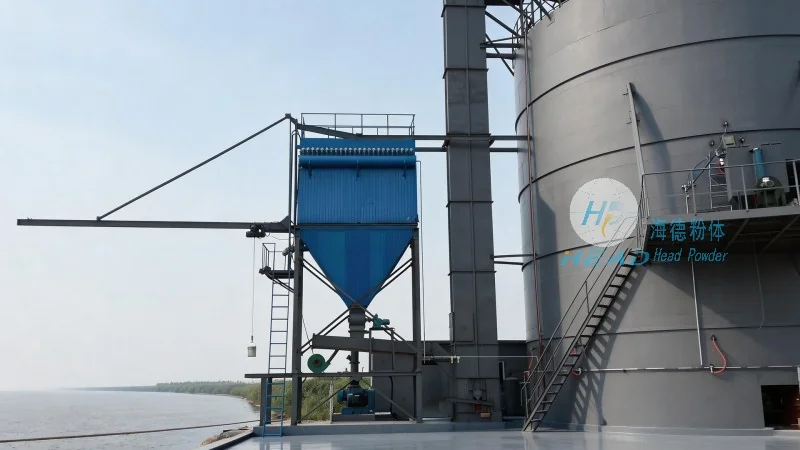
The selection of the appropriate transport equipment is crucial and depends on factors such as the material's flowability, density, and the need for dust control. Belt conveyors are commonly used for horizontal and slightly inclined transport due to their high capacity and low maintenance requirements. Screw conveyors, on the other hand, are ideal for vertical or inclined transport and can handle materials with higher moisture content or those prone to clogging. Pneumatic conveying systems offer flexibility in layout but require careful consideration of air pressure, pipeline design, and material compatibility to prevent degradation or blockages.
Control systems play a vital role in the transport process, ensuring that the flow rate, pressure, and other parameters are maintained within optimal ranges. Sensors and monitoring devices are integrated into the system to detect any deviations or issues, such as blockages or excessive pressure, allowing for immediate adjustments or alerts. This automation enhances the reliability and efficiency of the transport process, minimizing downtime and ensuring consistent material delivery.
Fine gravel is widely used in construction, road building, and water treatment applications, among others. The transport systems designed for fine gravel must adhere to industry standards and regulations to ensure safety and performance. For example, in construction, the material's uniformity and consistent grading are essential for achieving the desired structural properties. In water treatment, the fine gravel may be used as a filter media, requiring precise control over particle size and moisture content to maintain effective filtration.
HeadPowder's solutions are designed to meet these industry standards, incorporating features such as dust suppression systems, which are critical for maintaining air quality and compliance with environmental regulations. The company also adheres to international standards such as ISO 9001 for quality management, ensuring that all products and services meet the highest standards of performance and reliability.
In conclusion, the technical parameters of fine gravel and the transport system processes are integral to the efficient and safe handling of this material. With its expertise and commitment to quality, Shandong HeadPowder Engineering Co., Ltd. provides comprehensive solutions that address the specific challenges of fine gravel transport, supporting industries in achieving their operational goals while maintaining compliance with industry standards.

 Shandong Headpowder Engineering Co., Ltd.
 156-6277-7102(Manager Zhang)
  0531-83386006
  Zhangqiu District, Jinan City, Shandong Province, China
telephone
WeChatconsult
top