

Technical Parameters and Conveying System Process of Cement Powder
Shandong HeadPowder Engineering Co., Ltd., commonly known as HeadPowder, is a professional enterprise dedicated to the research, development, and production of cement powder conveying systems. Based in Shandong, China, the company specializes in providing high-efficiency, reliable solutions for the transportation of cement powder, ensuring optimal performance in various industrial applications. This article will delve into the key technical parameters and the advanced conveying system processes employed by HeadPowder to meet the demands of modern construction and manufacturing industries.
Key Technical Parameters of Cement Powder Conveying Systems
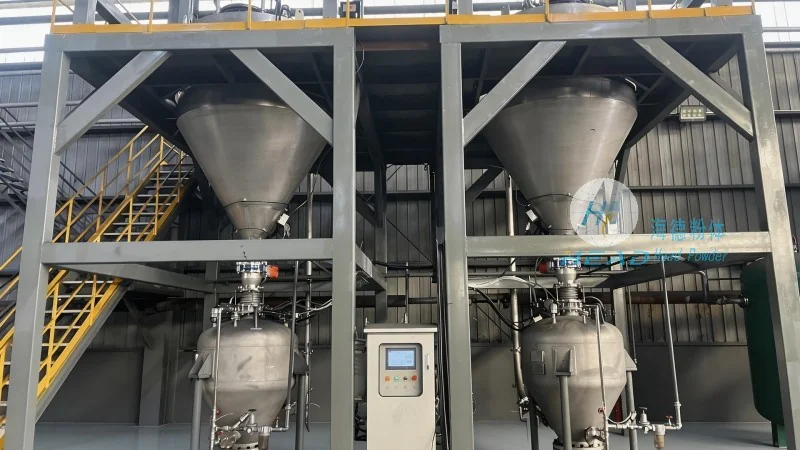
The technical parameters of cement powder conveying systems are crucial for ensuring the efficiency, safety, and durability of the equipment. HeadPowder's systems are designed with precision, focusing on several critical parameters that directly impact operational performance. First, the material handling capacity is a fundamental parameter, determining the volume of cement powder that can be transported per unit time. This is typically measured in tons per hour (t/h) and is tailored to match the production scale of the client's facility. For instance, our standard models can handle capacities ranging from 10 to 200 t/h, while custom solutions can accommodate higher loads up to 500 t/h, depending on specific project requirements. Second, the pressure and flow rate are critical for maintaining consistent material flow. The system operates under controlled pressure, usually within a range of 0.5 to 2.0 bar, ensuring that the cement powder moves smoothly without clogging or excessive wear on components. The flow rate is precisely regulated to prevent overloading the downstream equipment, such as silos or mixers, and to maintain a stable supply of raw materials. Third, the temperature control is essential, especially for preventing the agglomeration of cement powder. The conveying system incorporates temperature monitoring and control mechanisms, maintaining the material temperature within a safe range to avoid clumping and ensure consistent particle size distribution. Fourth, the energy consumption is a key consideration for operational costs. HeadPowder's systems are engineered with energy-efficient motors and optimized air flow, reducing power usage while maintaining high throughput. This not only lowers the client's operational expenses but also aligns with sustainable industrial practices. Finally, the system's durability and maintenance requirements are important parameters. The components, including pipelines, valves, and fans, are made from high-quality materials like stainless steel and wear-resistant alloys, ensuring long service life and minimal downtime. Regular maintenance schedules are provided to keep the system in optimal condition, minimizing the risk of breakdowns and extending the equipment's lifespan.
The Advanced Conveying System Process of Cement Powder
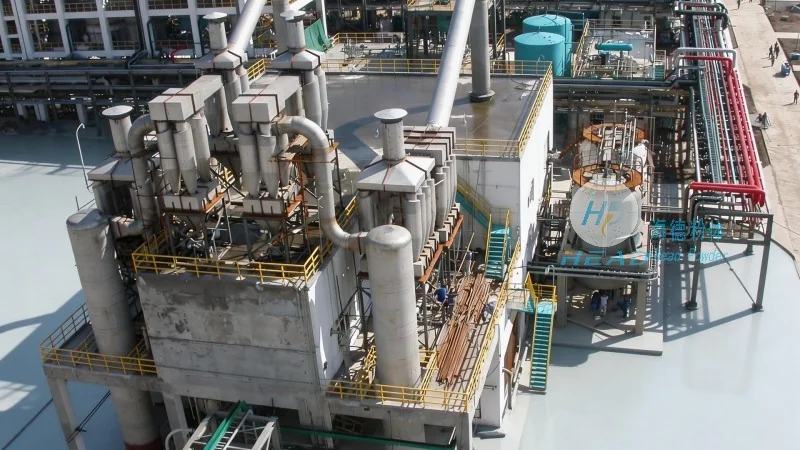
HeadPowder's conveying system for cement powder follows a sophisticated process designed to ensure efficient and reliable material transport. The process begins with the storage of cement powder in a silo or hopper, where the material is stored under controlled conditions to prevent moisture absorption and clumping. From the storage vessel, the cement powder is fed into the conveying system via a rotary valve or a feeder, which regulates the flow rate to match the system's capacity. The primary component of the conveying system is the positive displacement blower or fan, which generates the necessary airflow to move the cement powder through the pipeline. The fan is typically a high-efficiency, low-noise model, designed to operate continuously without overheating. The pipeline system is constructed from corrosion-resistant materials, such as PVC or stainless steel, to withstand the abrasive nature of cement powder and prevent material buildup. The pipeline is equipped with bends and elbows that are carefully designed to minimize pressure loss and maintain consistent airflow. To ensure smooth operation, the system includes a series of check valves and pressure relief valves, which prevent backflow and protect the equipment from overpressure. The conveying process is monitored in real-time using sensors and control panels, which display key parameters such as pressure, flow rate, and temperature. Operators can adjust the system settings as needed to maintain optimal performance. The cement powder is then discharged into the target vessel, such as a mixer or a silo, where it is used for further processing. The entire process is automated, with minimal human intervention required, reducing the risk of errors and improving overall efficiency. HeadPowder's conveying system is designed to be flexible and adaptable, allowing for integration with existing production lines or as a standalone solution for new projects. The system can be customized to accommodate various cement types, including Portland cement, slag cement, and fly ash cement, ensuring compatibility with different industrial applications.
Applications and Benefits of Cement Powder Conveying Systems
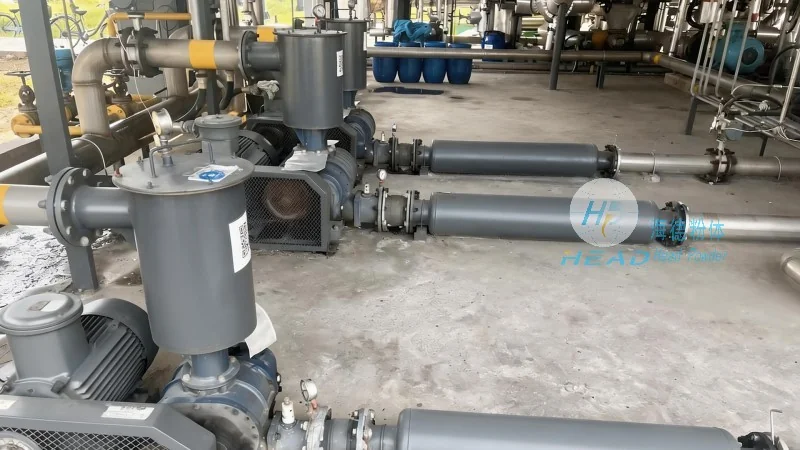
The cement powder conveying systems developed by HeadPowder find wide applications in various industries, including construction, manufacturing, and mining. In the construction industry, the systems are used to transport cement powder from storage silos to concrete mixing plants, ensuring a consistent supply of raw materials for concrete production. The high efficiency of the system reduces the time required for material handling, improving the overall productivity of the construction site. In the manufacturing industry, the systems are used in cement plants to transport cement powder from grinding mills to storage silos or shipping facilities. The reliable operation of the system minimizes downtime and ensures that the production process runs smoothly. In the mining industry, the systems are used to transport cement powder for the stabilization of mine tailings and the construction of infrastructure. The benefits of using HeadPowder's conveying systems are numerous. First, the high efficiency of the system reduces the time and labor required for material handling, leading to significant cost savings. Second, the reliable operation of the system minimizes downtime, ensuring that production processes are not interrupted. Third, the energy-efficient design of the system lowers operational costs and reduces the environmental impact. Fourth, the durable components and regular maintenance schedules extend the lifespan of the equipment, reducing the need for frequent replacements. Finally, the customization options allow the system to be tailored to specific project requirements, ensuring optimal performance and compatibility with existing infrastructure.