With more than 10‑year industry experience, Shandong Headpowder delivers full‑service pneumatic‑conveying systems and blowers, undertaking nationwide turn‑key powder‑handling projects.
For the efficient handling and transportation of poultry seasoning materials, pneumatic conveying systems offer a reliable and effective solution. These systems are widely used in the food processing industry to move bulk materials like poultry seasoning powders and granules from one location to another with minimal human intervention. The operation of such systems involves a series of steps that ensure smooth and continuous material flow, while the underlying principles govern the physical behavior of the material during transport.
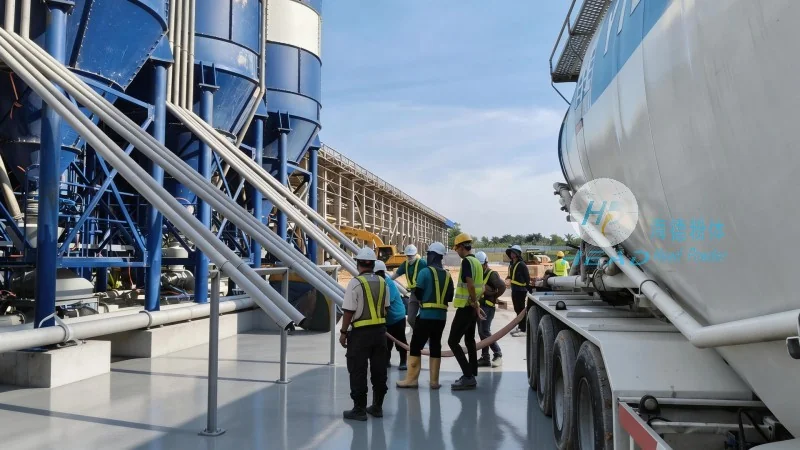
At the core of any pneumatic conveying system are several essential components that work in tandem to achieve the desired material transport. These components include the material feed hopper, which holds the poultry seasoning and regulates the flow rate; the air supply system, typically a blower or compressor that generates the necessary air pressure; the conveying line, which can be either a rigid pipe or a flexible hose; and the discharge device, which delivers the material to the final destination. Additionally, a filter system is often integrated to capture any fine particles and prevent dust from escaping into the environment, ensuring compliance with environmental regulations and maintaining air quality.
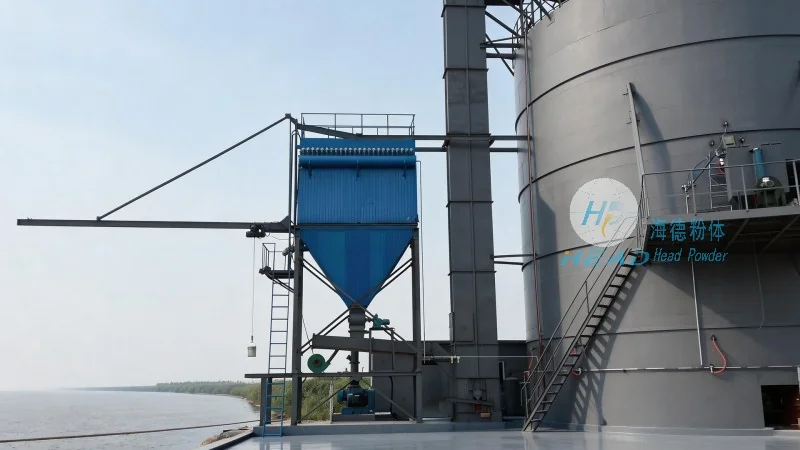
The operation of a pneumatic conveying system for poultry seasoning materials begins with the material being fed into the hopper. The feed mechanism, such as a rotary valve or a screw feeder, controls the rate at which the material enters the system, ensuring a consistent flow. Simultaneously, the air supply system generates a flow of air through the conveying line. As the air moves through the pipe, it creates a pressure differential that draws the poultry seasoning particles into the stream. The material is then carried along the pipe by the moving air, traveling from the feed point to the discharge point. The speed and pressure of the air are critical factors that determine the efficiency of the conveying process, as they directly affect the material's velocity and the system's overall throughput.
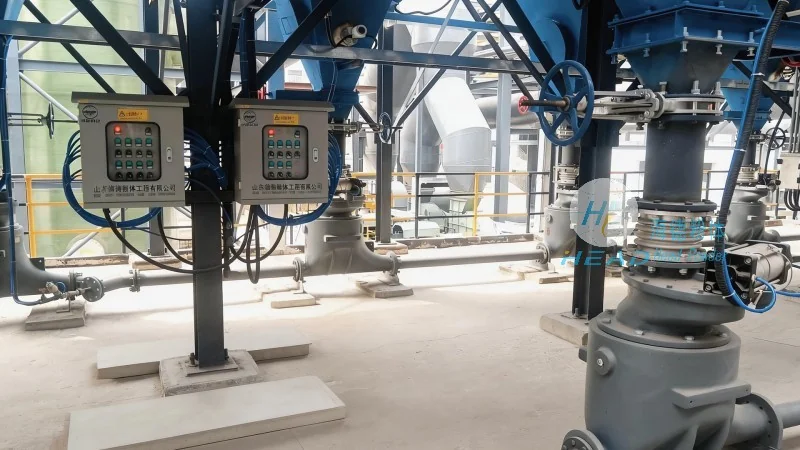
The working principle of pneumatic conveying is based on the fundamental concept of fluidization and drag. When air is introduced into the conveying line at a sufficient velocity, it creates a fluidized state where the poultry seasoning particles are suspended and transported as a slurry. This process relies on the drag force exerted by the air on the particles, which overcomes the gravitational force and allows the material to move through the system. The system can operate in either positive pressure or negative pressure modes. In positive pressure systems, the air is forced through the line, pushing the material forward, while negative pressure systems create a vacuum that pulls the material into the line. The choice between these modes depends on factors such as the distance to be covered, the material's properties, and the system's design requirements.
Implementing pneumatic conveying systems for poultry seasoning materials offers several advantages that make it a preferred choice in the industry. Firstly, it provides a dust-free and hygienic environment, which is crucial for food products to maintain quality and safety standards. Unlike mechanical conveyors, pneumatic systems do not come into direct contact with the material, reducing the risk of contamination and ensuring product integrity. Secondly, these systems are highly flexible and can be easily integrated into existing production lines, allowing for adjustments in layout and material flow as needed. Thirdly, pneumatic conveying offers high efficiency in terms of throughput and energy consumption, as the system can handle large volumes of material with minimal power input. Additionally, the system's compact design and low maintenance requirements make it a cost-effective solution for businesses looking to optimize their material handling processes.
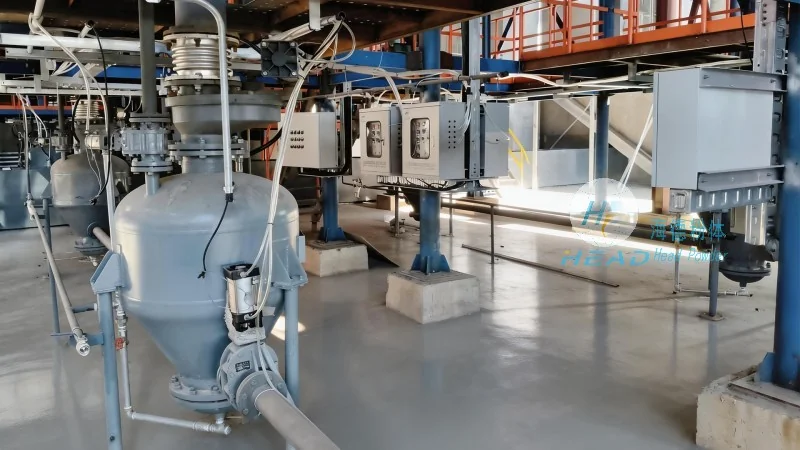
In the production of poultry seasoning, pneumatic conveying systems are commonly used in various stages of the process. For instance, after the seasoning is blended and ground, the material is conveyed from the grinding unit to the packaging line using a pneumatic system. This ensures that the material is transported without any segregation or loss of quality. Similarly, during the storage and distribution phases, pneumatic conveyors are employed to move the finished product from storage silos to loading trucks or other transportation vehicles. The ability to handle both dry and slightly moist poultry seasoning materials makes these systems versatile and suitable for a wide range of applications within the food industry.

 Shandong Headpowder Engineering Co., Ltd.
 156-6277-7102(Manager Zhang)
  0531-83386006
  Zhangqiu District, Jinan City, Shandong Province, China
telephone
WeChatconsult
top