

How to Prevent Pipeline Blockages in Limestone Powder Conveying with Pneumatic Conveying Systems? Ke
HeadPowder, or Shandong HeadPowder Engineering Co., Ltd., a leading provider of pneumatic conveying systems, specializes in optimizing material handling processes for industries dealing with limestone powder. The challenge of preventing pipeline blockages in such systems is critical for maintaining operational efficiency and minimizing downtime. This article explores effective strategies and key design parameters to ensure smooth and reliable limestone powder transport.
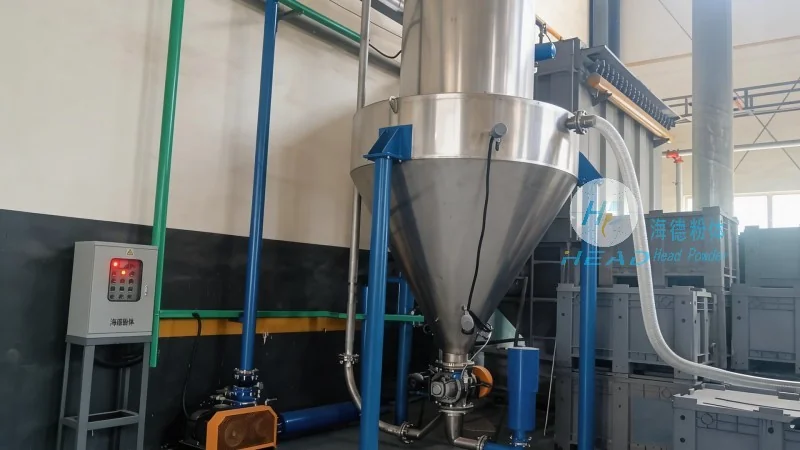
Understanding the Challenges of Limestone Powder Conveying
Limestone powder, with its fine particle size and cohesive properties, poses unique challenges during pneumatic conveying. These characteristics can lead to particle agglomeration, increased friction, and ultimately, pipeline blockages. Traditional methods may struggle to maintain consistent flow, making it essential to adopt advanced pneumatic conveying technologies tailored to the specific properties of limestone powder.
Key Design Parameters for Preventing Blockages
Several critical design parameters must be considered when designing a pneumatic conveying system for limestone powder to prevent blockages. The system pressure is a primary factor; maintaining an appropriate pressure level ensures that the powder is adequately suspended and transported without settling. Typically, higher pressure systems are used for longer distances or more challenging powder characteristics. The velocity of the conveying air is another crucial parameter. Optimal air velocity must be sufficient to keep the powder particles in suspension but not excessively high, which could cause excessive wear on the system components or energy inefficiency. The diameter of the conveying pipeline is also important; larger diameters reduce friction losses and the likelihood of blockages, while smaller diameters may require higher air velocities to maintain flow.
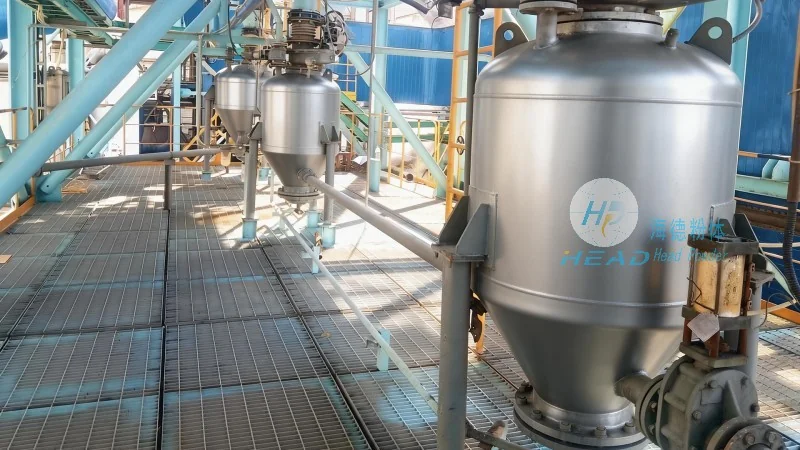
System Configuration and Material Handling Strategies
The configuration of the pneumatic conveying system, including the type of airlock feeders, cyclone separators, and pipeline layout, plays a significant role in preventing blockages. Properly sized and positioned airlock feeders ensure a consistent feed rate, preventing surges that could lead to blockages. Cyclone separators are used to separate the powder from the air stream, and their design must be optimized to handle the specific particle size distribution of limestone powder. The pipeline layout, including bends and vertical sections, should be designed to minimize changes in flow direction and velocity, reducing the risk of particle accumulation and blockages.
Material Properties and Their Impact on Conveying
The physical and chemical properties of limestone powder, such as particle size distribution, moisture content, and density, directly influence the design of the pneumatic conveying system. Fine particles are more prone to agglomeration, which can cause blockages if not properly addressed. Controlling moisture content is essential, as excess moisture can lead to clumping and increased friction. The density of the powder affects the required air velocity and system pressure. Understanding these properties allows for the selection of appropriate system components and operating conditions to prevent blockages and ensure efficient transport.
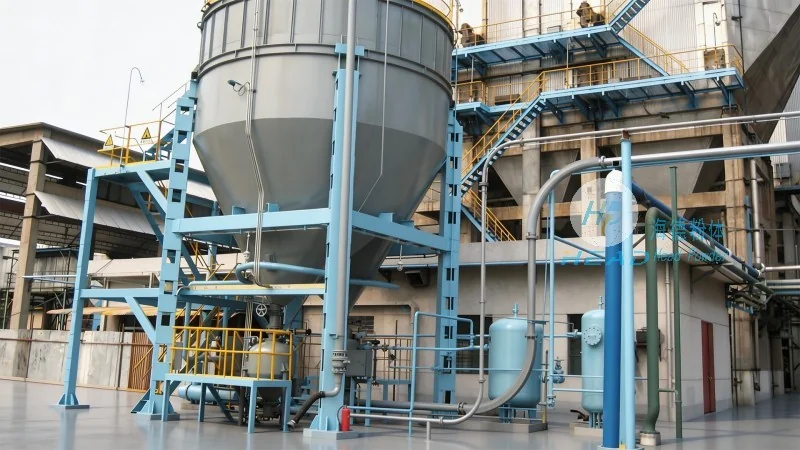
Operational Considerations for Long-Term System Performance
Operational practices also contribute to preventing pipeline blockages in limestone powder conveying systems. Regular maintenance, including cleaning of airlocks, cyclones, and pipelines, is vital to remove accumulated powder and prevent blockages. Monitoring system performance, such as pressure drops and flow rates, helps identify potential issues before they lead to blockages. Additionally, training operators on proper system operation and troubleshooting can enhance the reliability of the system and reduce downtime.
Conclusion: Ensuring Reliable Limestone Powder Transport
Preventing pipeline blockages in pneumatic conveying systems for limestone powder requires a comprehensive approach that considers both design parameters and operational practices. By optimizing system pressure, air velocity, pipeline diameter, and material handling strategies, along with understanding the specific properties of limestone powder, industries can achieve efficient and reliable material transport. HeadPowder, with its expertise in pneumatic conveying solutions, provides tailored systems that address these challenges, ensuring smooth and uninterrupted limestone powder handling for its clients.