With more than 10‑year industry experience, Shandong Headpowder delivers full‑service pneumatic‑conveying systems and blowers, undertaking nationwide turn‑key powder‑handling projects.
When it comes to transporting glass fiber powder using pneumatic conveying systems, preventing pipeline blockages is a critical challenge. The abrasive and fibrous nature of glass fiber can easily lead to clogging if the system is not properly designed and maintained. This article explores effective strategies to mitigate blockages and highlights the key design parameters that ensure smooth and efficient operation for glass fiber powder handling.
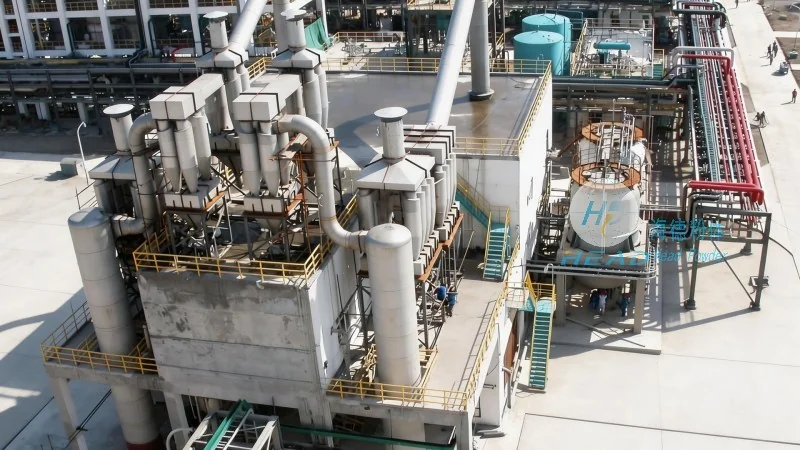
Glass fiber powder, commonly used in composite materials, coatings, and insulation products, presents unique challenges during pneumatic transport. Its high density, irregular particle shape, and tendency to agglomerate make it prone to adhering to pipeline walls and forming blockages. Traditional conveying methods may struggle with these characteristics, leading to system downtime and increased maintenance costs. Therefore, a well-thought-out pneumatic conveying system is essential to maintain consistent flow and prevent operational disruptions.
The success of a pneumatic conveying system for glass fiber powder hinges on several critical design parameters. These parameters are tailored to address the specific properties of glass fiber and ensure the system operates efficiently without blockages. The following are the most important factors to consider:
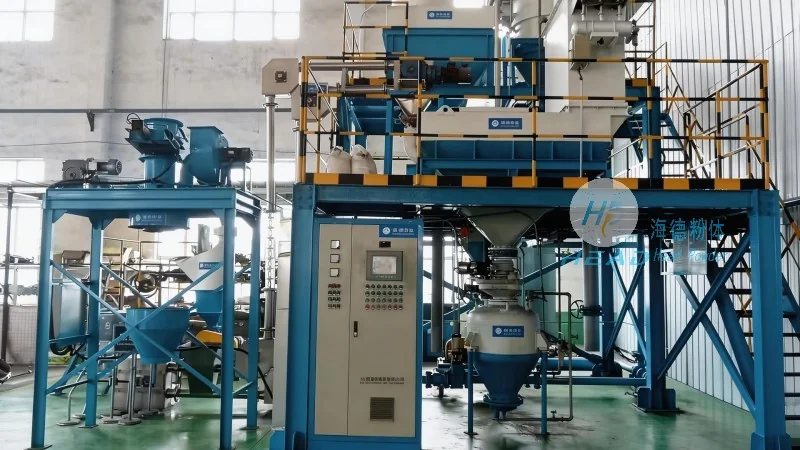
Optimizing airflow velocity and pressure is fundamental to preventing blockages. Insufficient airflow can cause particles to settle and accumulate on the pipeline walls, while excessive pressure may lead to wear and tear on components. For glass fiber powder, a balanced velocity of approximately 20-30 m/s is recommended, with a pressure range of 0.5-1.0 bar. This ensures particles are fully suspended and transported without settling. The design must also account for the system's length and elevation changes to maintain consistent velocity throughout the pipeline.
The diameter of the conveying pipeline plays a crucial role in preventing blockages. A larger diameter reduces the risk of particle accumulation and allows for smoother flow. For glass fiber powder, a minimum pipeline diameter of 100 mm is typically recommended, with larger diameters preferred for longer conveying distances. The material of the pipeline is equally important; stainless steel or corrosion-resistant alloys are ideal as they resist abrasion from glass fibers and prevent material buildup. Smooth interior surfaces further minimize friction and the likelihood of clogging.
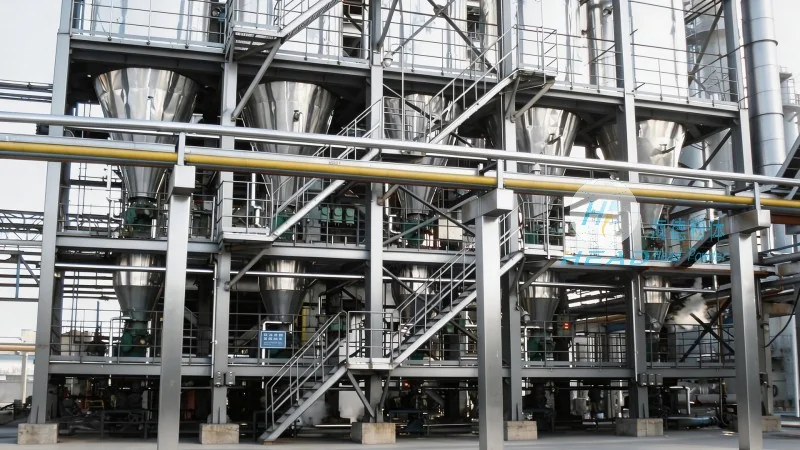
The choice of pneumatic conveying system type—such as dilute phase or dense phase—significantly impacts blockage prevention. Dilute phase systems use higher airflow to keep particles suspended, which is suitable for shorter distances and lower particle loads. Dense phase systems, on the other hand, use lower airflow and higher pressure to move particles in a slurry-like state, which is effective for longer distances and higher loads. For glass fiber powder, a combination of both may be used, with dilute phase for initial transport and dense phase for final delivery to the destination. The system configuration, including the number of bends, valves, and filters, must be optimized to minimize pressure drops and maintain consistent flow.
Effective filtration is essential to remove fine particles and debris that can accumulate and cause blockages. A high-efficiency particulate air (HEPA) filter or a bag filter is commonly used to capture glass fiber particles before they enter the system. Regular maintenance of these filters is critical to prevent clogging and ensure optimal performance. Additionally, a cleaning system, such as a reverse pulse jet filter, can be integrated to automatically clean the filters, reducing downtime and maintenance efforts. The design should also include a venting system to remove air and prevent pressure buildup that could lead to blockages.
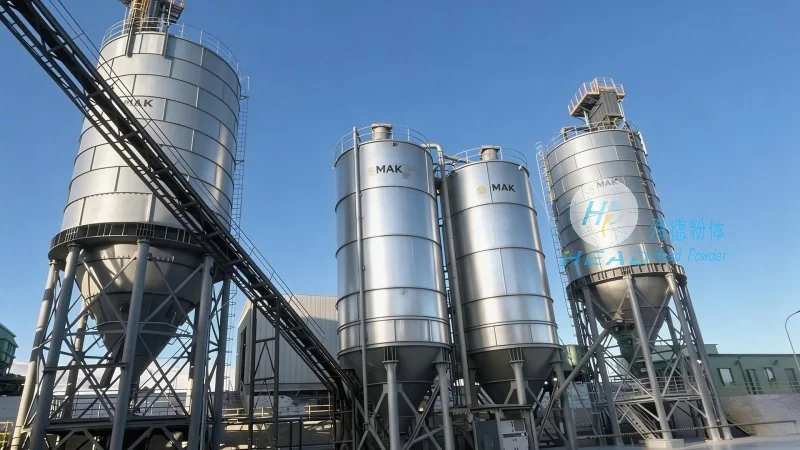
Shandong HeadPowder Engineering Co., Ltd., a leading provider of pneumatic conveying solutions, specializes in designing and manufacturing systems tailored to the unique needs of glass fiber powder handling. With years of experience in the industry, HeadPowder has developed advanced solutions that address the challenges of preventing blockages and ensuring efficient transport. The company's expertise lies in customizing systems based on the specific characteristics of the glass fiber powder, such as particle size, moisture content, and bulk density. By incorporating the key design parameters mentioned above, HeadPowder ensures that their systems deliver reliable performance and minimize downtime for clients.
Preventing pipeline blockages in pneumatic conveying systems for glass fiber powder requires a comprehensive approach that considers airflow velocity, pipeline design, system configuration, and filtration. By optimizing these key parameters, businesses can achieve efficient and reliable transport of glass fiber powder, reducing operational costs and improving overall productivity. Shandong HeadPowder Engineering Co., Ltd. stands as a trusted partner in providing tailored solutions that meet the specific demands of glass fiber powder handling, ensuring smooth and uninterrupted operations for their clients.

 Shandong Headpowder Engineering Co., Ltd.
 156-6277-7102(Manager Zhang)
  0531-83386006
  Zhangqiu District, Jinan City, Shandong Province, China
telephone
WeChatconsult
top