With more than 10‑year industry experience, Shandong Headpowder delivers full‑service pneumatic‑conveying systems and blowers, undertaking nationwide turn‑key powder‑handling projects.
Graphite electrode powder conveying equipment plays a crucial role in the manufacturing process of graphite electrodes, ensuring efficient and reliable transport of raw materials. This equipment is essential for maintaining production efficiency and product quality in the electrode production line. The following sections will detail the operation process and working principle of such equipment, providing a comprehensive understanding of its functionality and application.
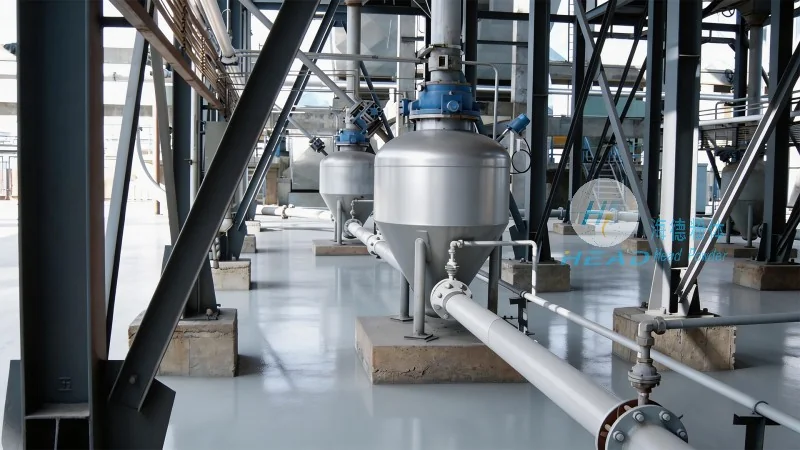
Graphite electrode powder conveying equipment is a specialized system designed to handle and transport graphite powder, a key raw material in the production of high-quality graphite electrodes. The equipment is engineered to meet the stringent requirements of the electrode manufacturing industry, including high precision, low dust generation, and consistent material flow. As a core component in the production workflow, this equipment ensures that graphite powder is delivered to the next processing stage without loss or contamination. The system typically integrates multiple components, such as feeders, conveyors, and control units, to achieve seamless material handling. The design of the equipment is tailored to handle the unique properties of graphite powder, which includes its fine particle size and potential for static charge accumulation, requiring specialized handling techniques to prevent material buildup and ensure smooth operation.
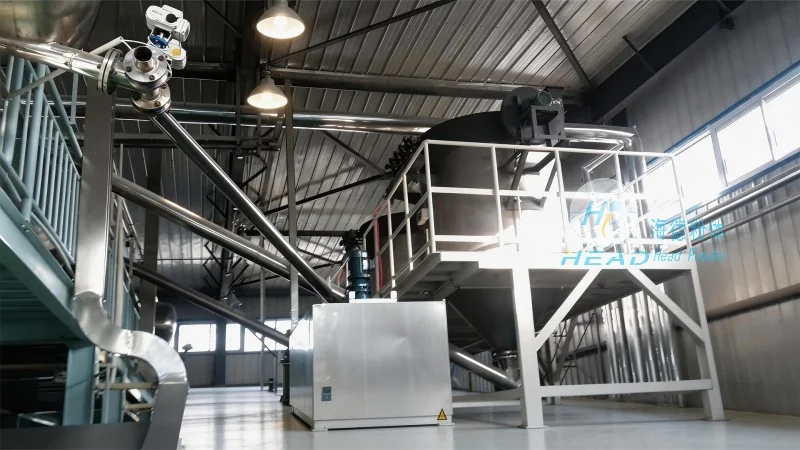
The operation of graphite electrode powder conveying equipment relies on several critical components, each playing a vital role in the overall system. The primary components include: feeders, which are responsible for uniformly distributing the graphite powder from the storage hopper into the conveying system; conveyors, which transport the powder through the system using mechanisms like screw conveyors, pneumatic systems, or belt conveyors; and control units, which monitor and regulate the flow rate and pressure to maintain optimal performance. Additionally, the system may incorporate dust collection and filtration systems to minimize environmental impact and ensure operator safety. The feeders are designed to handle the bulk material and prevent clogging, while the conveyors are selected based on the specific characteristics of the graphite powder, such as particle size and moisture content. The control units use sensors and automation technology to adjust the operation in real-time, ensuring consistent and reliable material transport. Each component works in harmony to create a cohesive system that meets the demands of high-volume production.
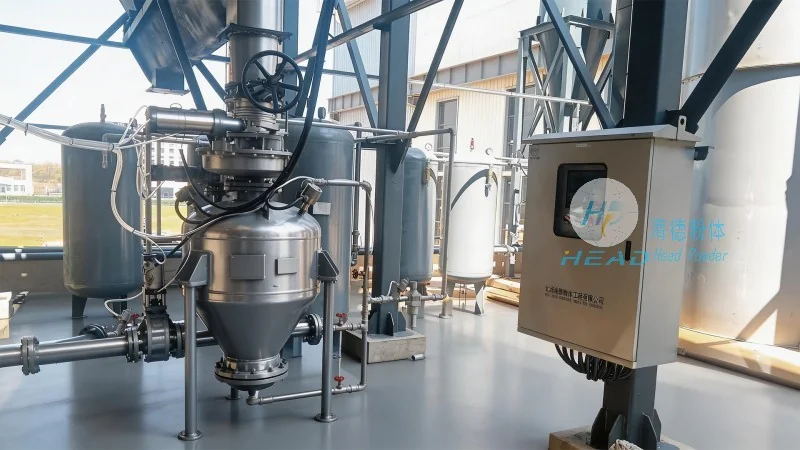
The operation process of graphite electrode powder conveying equipment begins with the loading of graphite powder into the storage hopper. The feeder then starts, gradually releasing the powder into the conveyor system. The conveyor transports the powder through the pipeline or channel to the processing area, where it is used in the subsequent stages of electrode production. The entire process is automated, with the control unit continuously monitoring the flow rate and pressure. If any abnormalities are detected, such as a drop in flow or an increase in pressure, the system will automatically adjust or alert the operator. The operation is designed to be continuous, ensuring a steady supply of graphite powder to the production line. The equipment is also equipped with safety features, such as emergency stop buttons and overload protection, to prevent accidents and ensure the safety of the operators. The process is highly efficient, with minimal downtime and maximum material utilization. The system can be adjusted to handle different types of graphite powders, making it versatile for various production requirements.
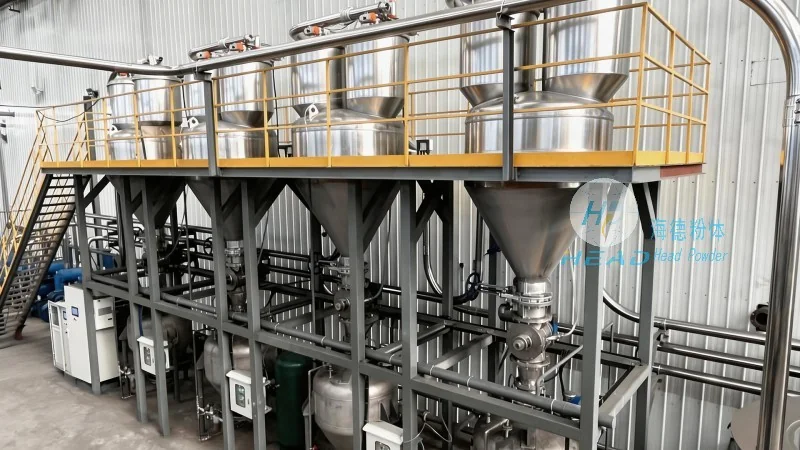
The working principle of graphite electrode powder conveying equipment is based on the principles of material handling and fluid dynamics. The system uses mechanical or pneumatic forces to move the graphite powder from the source to the destination. In mechanical systems, screw conveyors or belt conveyors use rotating components to push the powder along the path. The screw conveyor, for example, has a rotating screw inside a tube, which moves the powder forward as it rotates. The speed and rotation of the screw can be adjusted to control the flow rate. In pneumatic systems, the powder is transported using compressed air, which creates a flow of air and material through the pipeline. The air pressure and flow rate are controlled to ensure the powder is transported efficiently without causing excessive pressure or dust. The control unit monitors the pressure and flow rate, adjusting the air supply as needed. The working principle also involves the management of static electricity, as graphite powder can accumulate static charge. The equipment is designed with anti-static features, such as grounding and conductive materials, to prevent static buildup and ensure safe operation. The system is also equipped with dust collection systems to capture any airborne particles, maintaining a clean and safe working environment. The overall working principle is to create a seamless and controlled flow of graphite powder, ensuring that the material is transported efficiently and safely to the next stage of production.

 Shandong Headpowder Engineering Co., Ltd.
 156-6277-7102(Manager Zhang)
  0531-83386006
  Zhangqiu District, Jinan City, Shandong Province, China
telephone
WeChatconsult
top