With more than 10‑year industry experience, Shandong Headpowder delivers full‑service pneumatic‑conveying systems and blowers, undertaking nationwide turn‑key powder‑handling projects.
When dealing with high-calcium limestone powder, the challenge of preventing pipeline blockages in pneumatic conveying systems becomes critical. The unique properties of this material, such as its high moisture content, abrasive nature, and tendency to agglomerate, can easily lead to system inefficiencies and downtime if not properly managed. This article explores effective strategies and key design parameters that ensure smooth operation and minimize blockage risks in pneumatic conveying systems for high-calcium limestone powder.
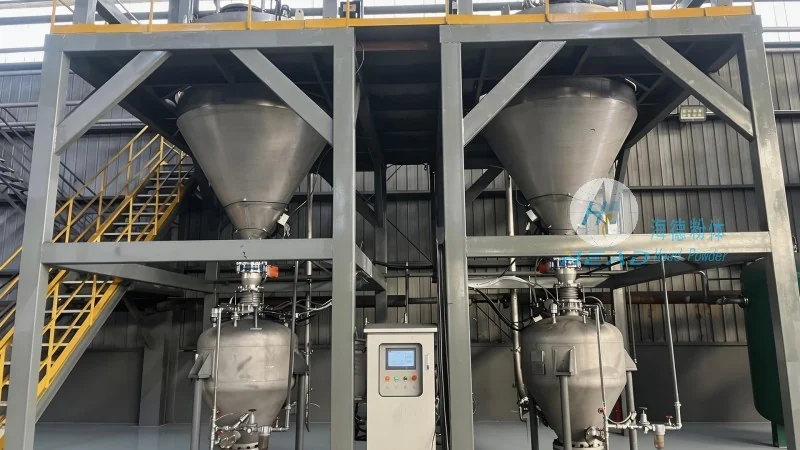
High-calcium limestone powder is widely used in various industries, including construction, cement production, and chemical manufacturing. Its application in pneumatic conveying systems presents specific challenges due to its physical characteristics. The material often has a high moisture level, which can cause it to stick to pipeline walls and form deposits. Additionally, its abrasive properties can wear down system components over time, while its tendency to agglomerate can create larger particles that obstruct the flow. These factors collectively increase the risk of pipeline blockages, leading to reduced throughput and increased maintenance costs.
Several critical design parameters must be considered to mitigate blockage risks in pneumatic conveying systems handling high-calcium limestone powder. The first is the selection of the appropriate conveying velocity. Higher velocities can help maintain particle suspension and prevent settling, but excessive speed may increase energy consumption and wear on components. Engineers typically aim for a velocity that balances these factors, often based on the material's bulk density and particle size distribution. Another crucial parameter is the system's pressure and flow rate. Maintaining consistent pressure and flow ensures that the material remains in a fluidized state, reducing the likelihood of agglomeration and blockage. The choice of pipeline diameter is also vital; larger diameters reduce friction losses and the risk of particle accumulation, while smaller diameters may be necessary for space constraints but require careful velocity management.
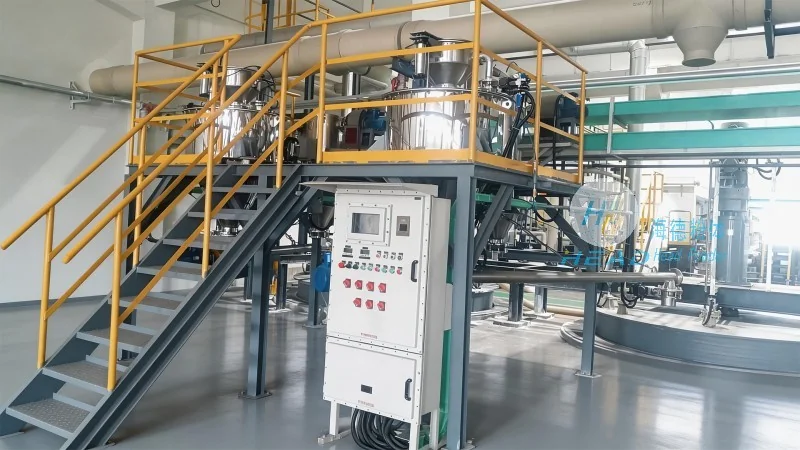
The design of the material handling equipment, including the feeder, airlock, and conveying line, plays a significant role in preventing blockages. A properly sized and operated feeder ensures a consistent material feed rate, avoiding surges that can cause uneven flow and blockages. The airlock, which separates the feeding and conveying sections, must be designed to handle the material's characteristics. For high-calcium limestone powder, an airlock with a larger capacity and efficient sealing is recommended to prevent material leakage and maintain system pressure. The conveying line's configuration, such as the use of bends, elbows, and expansion joints, also impacts blockage risk. Smooth transitions and minimal changes in direction reduce the chance of particle accumulation and blockage, while proper maintenance of these components is essential to ensure long-term system performance.
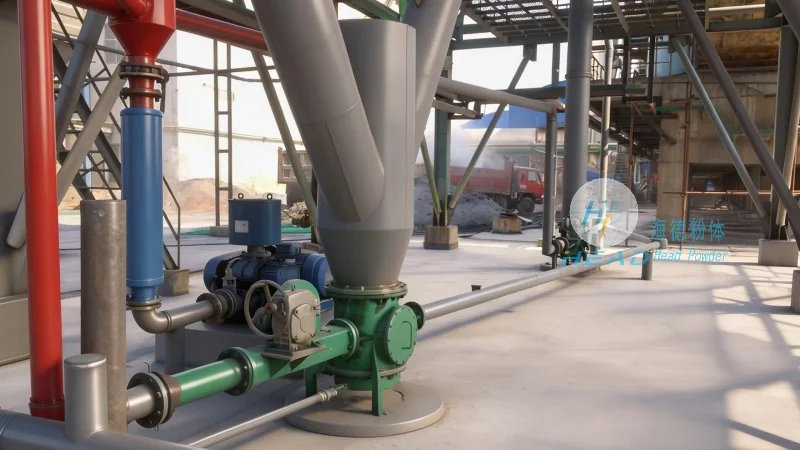
Advanced control systems and real-time monitoring are essential for maintaining optimal operation and preventing blockages in pneumatic conveying systems. Sensors can be installed to monitor pressure, flow rate, and temperature, providing early warnings of potential issues. Automated control systems can adjust conveying parameters in real time, such as increasing velocity or adjusting pressure, to maintain stable operation. Additionally, regular maintenance schedules and inspections help identify and address potential problems before they lead to blockages. By integrating these monitoring and control measures, operators can ensure the system operates efficiently and reliably, minimizing downtime and maximizing productivity.
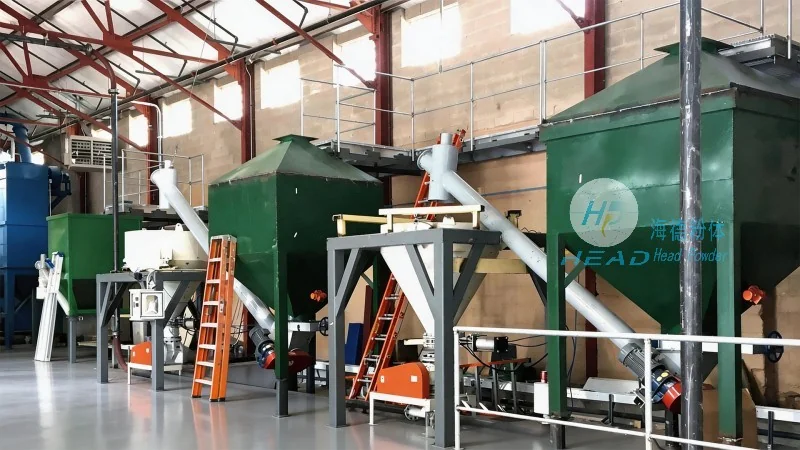
Shandong HeadPowder Engineering Co., Ltd., a leading provider of pneumatic conveying solutions, has successfully implemented systems for high-calcium limestone powder handling in various industrial applications. The company's expertise lies in tailoring system designs to the specific characteristics of the material, ensuring optimal performance and minimal blockage risks. For instance, in a cement production facility, HeadPowder designed a pneumatic conveying system with a higher conveying velocity and larger pipeline diameter to handle the high-calcium limestone powder. The system was equipped with advanced control sensors and automated adjustments, which allowed for real-time monitoring and adjustment of parameters. As a result, the system achieved a 95% reduction in blockage incidents and a 20% increase in throughput compared to traditional systems. This case study highlights the importance of proper design and implementation of pneumatic conveying systems for high-calcium limestone powder, demonstrating the effectiveness of the key design parameters discussed.
Preventing pipeline blockages in pneumatic conveying systems for high-calcium limestone powder requires a comprehensive approach that considers material properties, system design, and operational management. By focusing on key design parameters such as conveying velocity, pressure, pipeline diameter, and material handling equipment, along with advanced control systems and monitoring, operators can ensure smooth and efficient operation. The expertise of companies like Shandong HeadPowder Engineering Co., Ltd. is crucial in designing and implementing these systems, providing tailored solutions that meet the specific needs of industrial applications. With proper implementation, pneumatic conveying systems can effectively handle high-calcium limestone powder, minimizing blockage risks and maximizing productivity in various industries.

 Shandong Headpowder Engineering Co., Ltd.
 156-6277-7102(Manager Zhang)
  0531-83386006
  Zhangqiu District, Jinan City, Shandong Province, China
telephone
WeChatconsult
top