With more than 10‑year industry experience, Shandong Headpowder delivers full‑service pneumatic‑conveying systems and blowers, undertaking nationwide turn‑key powder‑handling projects.
Straw ash powder conveying systems are essential components in industrial processes that handle agricultural residue-derived materials. These systems are designed to efficiently transport fine powders, such as those derived from straw combustion or processing, from one location to another. The operation of such systems involves a combination of mechanical and pneumatic principles, ensuring reliable and consistent material movement. In this article, we will explore the detailed operation process and working principles of straw ash powder conveying systems, highlighting key components and their functions. HeadPowder, a leading manufacturer of material handling solutions, specializes in developing customized conveying systems tailored to the specific needs of industries dealing with agricultural residues.
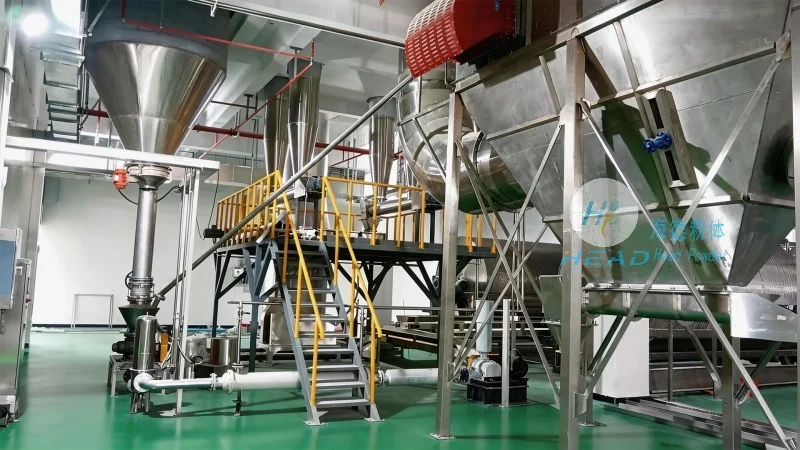
The core components of a straw ash powder conveying system typically include a material hopper, a conveying duct, a blower or fan unit, and a discharge outlet. The material hopper is responsible for storing the straw ash powder, providing a consistent feed to the system. It is usually equipped with a feeding mechanism, such as a screw feeder or a rotary valve, to control the flow rate of the material. The conveying duct is the main pathway for transporting the powder, often made of durable materials like stainless steel or plastic to prevent corrosion and material buildup. The blower or fan unit generates the necessary airflow to move the fine particles through the duct. This unit is crucial for maintaining the pressure and velocity required for effective conveying. The discharge outlet is where the material is released at the destination point, often equipped with a control valve to regulate the output flow.
The operation process of a straw ash powder conveying system begins with the loading of straw ash powder into the material hopper. The feeding mechanism then regulates the flow of the material into the conveying duct. Simultaneously, the blower or fan unit starts operating, creating a low-pressure zone within the duct. As the air flows through the duct, it entrains the fine particles of straw ash, forming a suspension that is carried to the discharge outlet. The velocity of the air and the size of the particles determine the efficiency of the conveying process. Properly designed systems ensure that the powder is transported without clogging or loss, maintaining a stable flow rate throughout the operation.
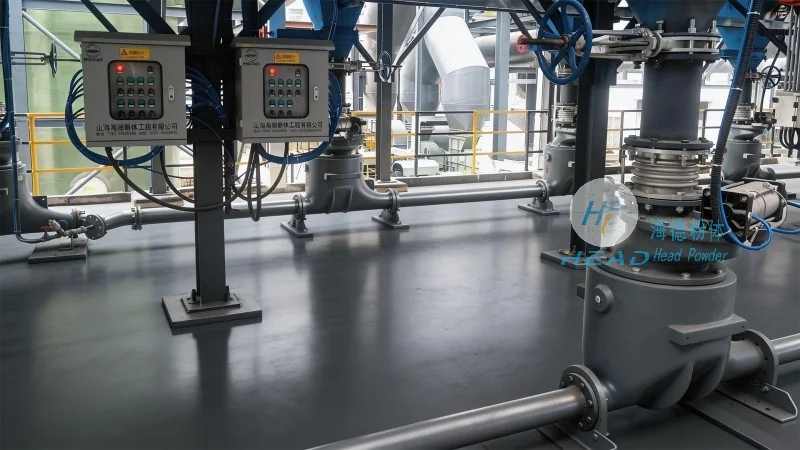
The working principle of straw ash powder conveying is based on pneumatic transport, where the material is carried by a moving air stream. This method is particularly effective for fine powders like straw ash, which are difficult to handle using traditional mechanical conveyors. The key principle is the creation of a pressure differential between the inlet and outlet of the conveying duct. The blower or fan unit generates a high-velocity air flow that pulls the powder particles into the duct, creating a consistent flow. The air velocity must be sufficient to overcome the gravitational force and the friction between the particles and the duct walls. The system also incorporates features to prevent material buildup and ensure smooth operation, such as cleaning mechanisms and adjustable flow controls.
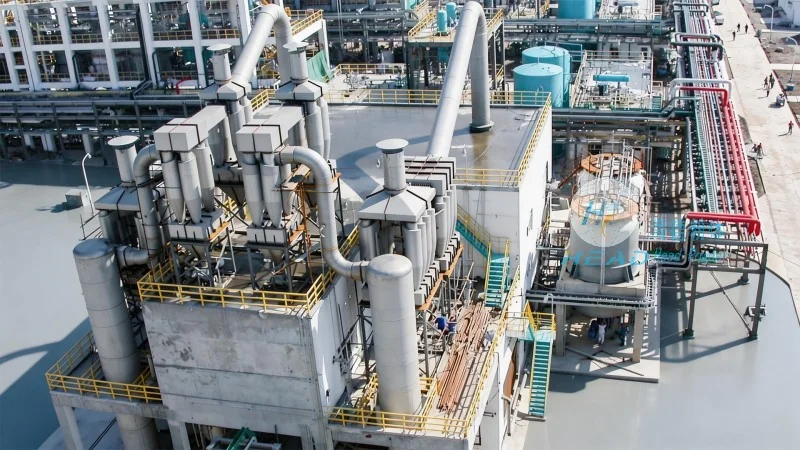
Straw ash powder conveying systems offer several advantages over traditional conveying methods. They are highly efficient in transporting fine powders over long distances, with minimal material loss. The pneumatic system is also less prone to clogging compared to mechanical conveyors, which can be a significant issue with fine particles. Additionally, these systems are flexible in terms of layout, allowing for changes in the conveying path without major modifications. The use of stainless steel or other corrosion-resistant materials ensures durability and longevity, reducing maintenance costs over time. For industries dealing with agricultural residues, such as biomass power plants or biofuel production facilities, straw ash powder conveying systems provide a reliable solution for material handling. HeadPowder Engineering Co., Ltd., based in Shandong, China, has extensive experience in designing and manufacturing high-quality straw ash powder conveying systems that meet the stringent requirements of modern industrial applications.
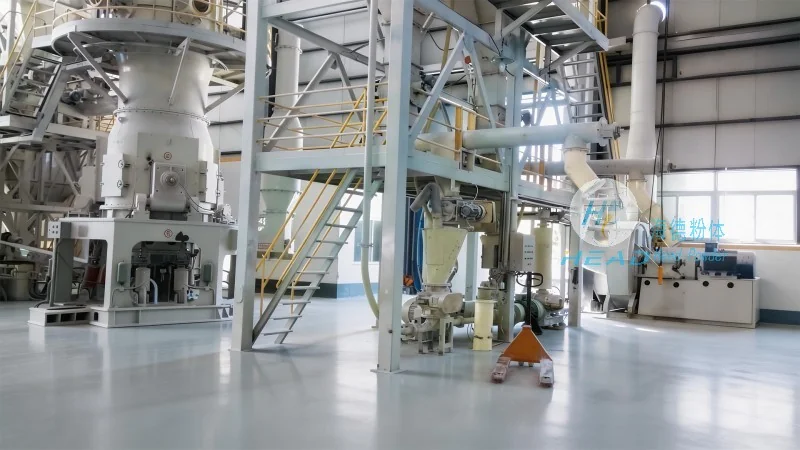
Straw ash powder conveying systems are widely used in various industrial applications, particularly in the processing of agricultural waste. In biomass power generation, these systems transport ash from combustion chambers to storage or disposal areas. In biofuel production, they help move ash from processing units to treatment facilities. The systems are also utilized in environmental remediation projects, where straw ash is used as a soil amendment or for construction materials. The consistent and efficient transport of straw ash powder ensures that downstream processes can operate smoothly, improving overall productivity and reducing operational downtime.
Proper maintenance is crucial for the reliable operation of straw ash powder conveying systems. Regular cleaning of the conveying duct and blower components is necessary to prevent material buildup and ensure optimal airflow. The feeding mechanism should be checked for proper adjustment to maintain a consistent material flow rate. The blower or fan unit requires periodic inspection to ensure it operates at the correct pressure and velocity. Additionally, monitoring the system's performance, such as flow rate and pressure, helps identify any issues early and prevent major breakdowns. By following recommended maintenance schedules and operational guidelines, users can maximize the lifespan and efficiency of their straw ash powder conveying systems.

 Shandong Headpowder Engineering Co., Ltd.
 156-6277-7102(Manager Zhang)
  0531-83386006
  Zhangqiu District, Jinan City, Shandong Province, China
telephone
WeChatconsult
top