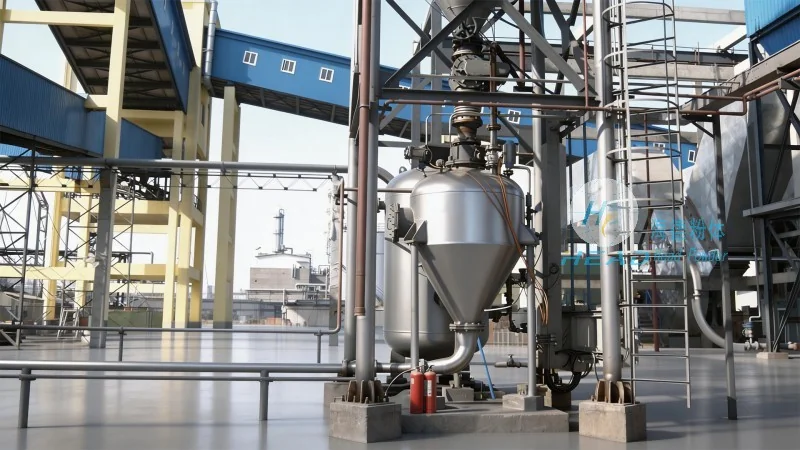
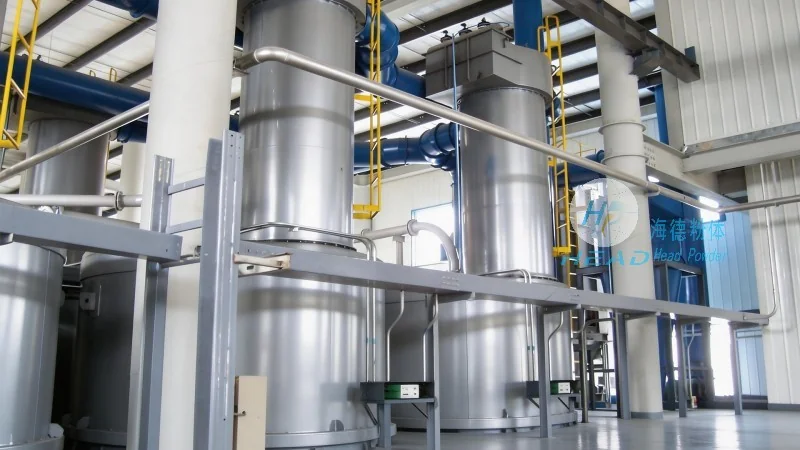
With more than 10‑year industry experience, Shandong Headpowder delivers full‑service pneumatic‑conveying systems and blowers, undertaking nationwide turn‑key powder‑handling projects.
Handling fly ash presents a complex engineering challenge that requires precise, robust, and efficient solutions. In industrial settings, the transportation of this fine, powdery byproduct is critical for maintaining production continuity, ensuring environmental compliance, and protecting worker safety. Traditional transportation methods often fall short, leading to issues such as dust leakage, equipment wear, and operational inefficiencies. This is where professional expertise becomes essential. As a leading **fly ash pneumatic conveying manufacturer**, Shandong Headpowder Engineering Co., Ltd. specializes in providing state-of-the-art systems designed to overcome these challenges. Our approach integrates advanced pneumatic technology with rigorous engineering standards to deliver a seamless material handling process.
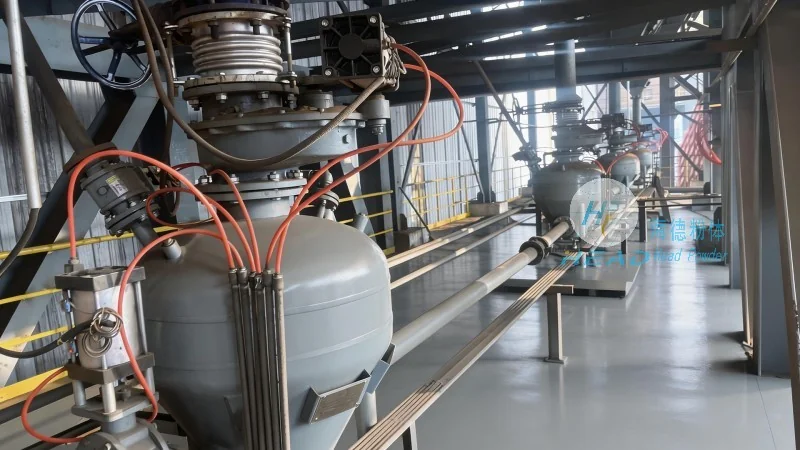
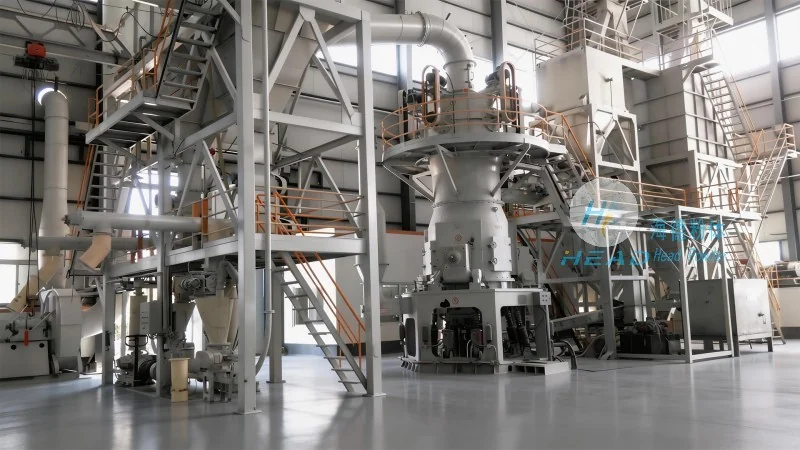
The core of our operation lies in our ability to provide tailored **fly ash pneumatic conveying schemes**. We understand that every facility has unique requirements based on its layout, production capacity, and specific material properties. A one-size-fits-all solution rarely works in industrial material handling. Therefore, our team conducts a thorough analysis of the client's site conditions, including the distance between the storage silo and the unloading point, the topography of the ground, and the volume of material to be moved. This detailed assessment allows us to design a system that optimizes energy consumption while maximizing throughput. Whether the requirement is for a simple vertical lift or a complex horizontal loop with multiple transfer points, our engineering team crafts a solution that fits perfectly into the existing infrastructure.
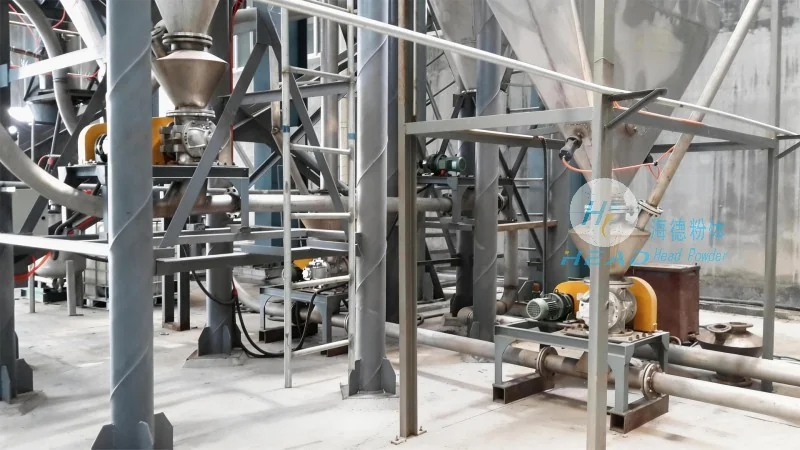
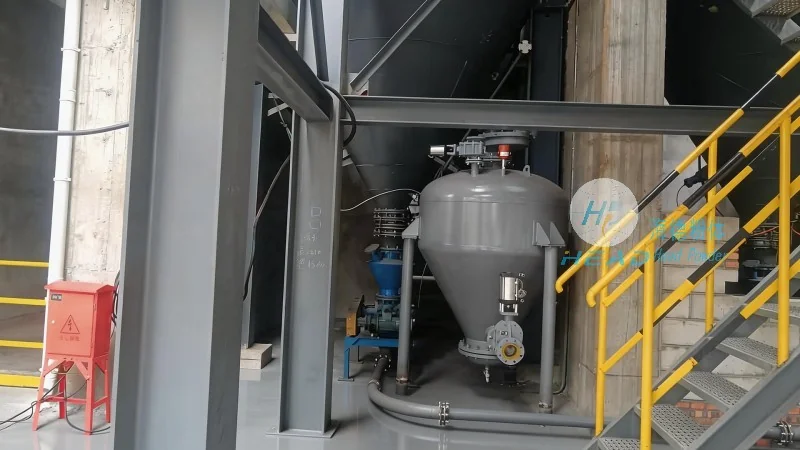
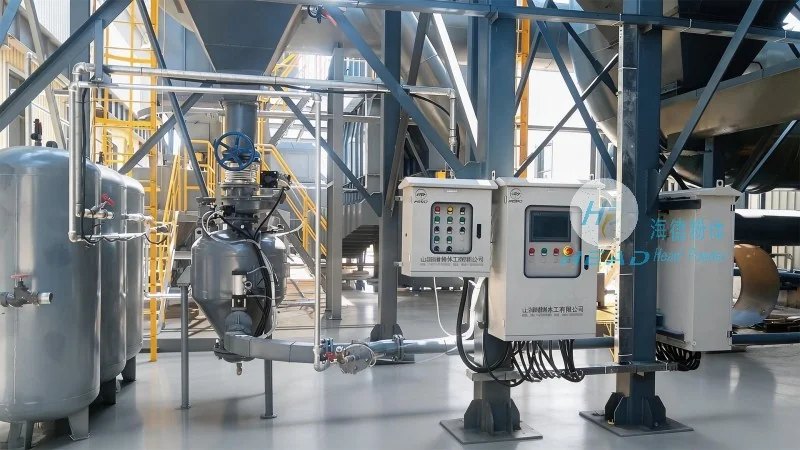
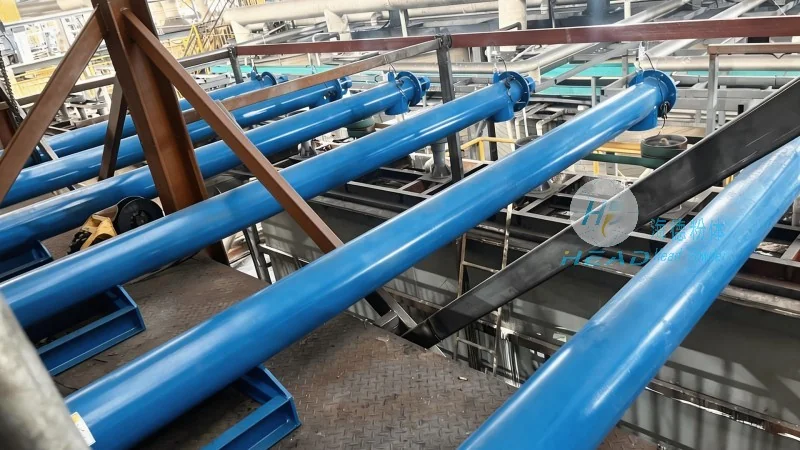
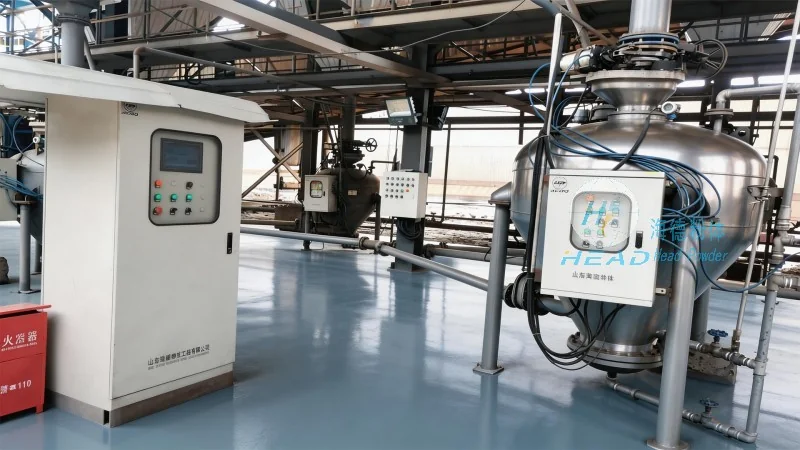
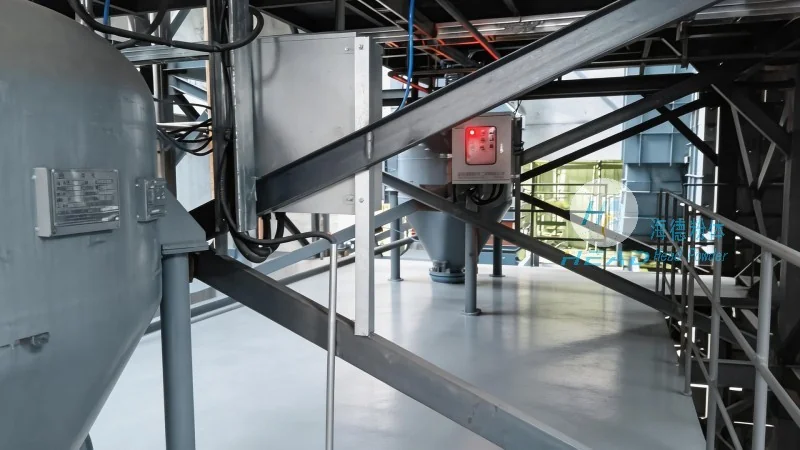
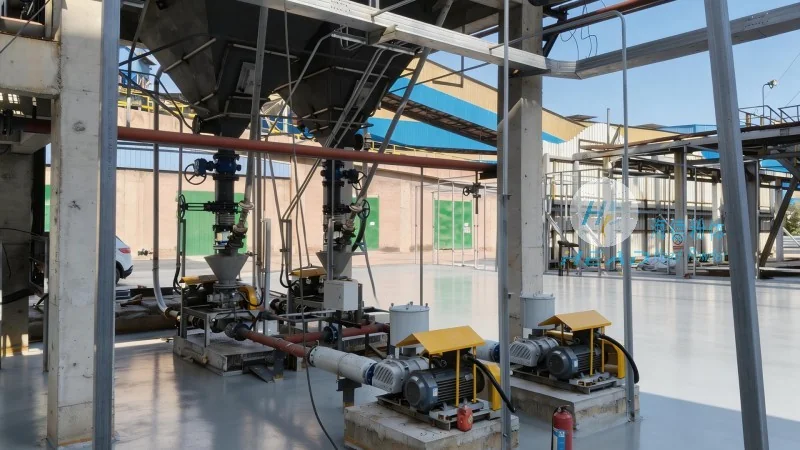
Our **fly ash conveying systems** are built using high-quality components that ensure durability and reliability in harsh environments. The system typically consists of a sealed storage tank, a specialized pneumatic pump, control valves, and a robust piping network. By utilizing a negative pressure or positive pressure pneumatic conveying method, we can transport the fly ash through the pipes at high speeds with minimal friction. This method significantly reduces the risk of dust explosion, which is a critical safety concern when handling combustible powders. Furthermore, the enclosed nature of the system prevents environmental pollution, ensuring that the workplace remains clean and compliant with stringent environmental regulations.
At Shandong Headpowder Engineering Co., Ltd., we pride ourselves on our technical innovation. We do not merely assemble standard parts; we engineer complete solutions. Our **fly ash pneumatic conveying manufacturer** status is backed by years of research and development. We utilize advanced simulation software to model fluid dynamics within the piping system, allowing us to predict potential blockages or pressure drops before physical construction begins. This proactive approach minimizes the risk of operational disruptions and ensures a smooth commissioning process.
Customization is at the heart of our service. We recognize that different types of fly ash have different characteristics regarding moisture content, particle size, and flowability. A system designed for dry, free-flowing ash may fail completely if used for wet, cohesive ash. Our engineering team adjusts the air pressure, flow rate, and valve configurations to match the specific physical properties of the material. This ensures consistent feeding and prevents clogging, which is a common issue in pneumatic conveying systems. By tailoring the parameters to the material, we extend the service life of the equipment and reduce maintenance costs for our clients.
A well-designed **fly ash conveying system** relies on the precise interaction of its components. Our systems feature high-efficiency screw conveyors or blow tanks that serve as the feed mechanism. These units are engineered to handle the abrasive nature of fly ash without significant wear. We incorporate wear-resistant materials and specialized coatings in critical areas such as pipe elbows and hoppers to prolong the system's lifespan. The control panel is designed for ease of use, allowing operators to monitor the system's status in real-time and make adjustments as needed.
Energy efficiency is another major focus of our design. By optimizing the air-to-material ratio, we ensure that the system consumes only the necessary power to move the material. This not only reduces operational costs but also lowers the carbon footprint of the client's facility. Our systems are designed for continuous operation, ensuring that the production line never has to stop due to material handling issues. The automation features reduce the need for manual intervention, freeing up personnel to focus on other critical tasks.
Purchasing a conveying system is a significant investment, and our commitment does not end with installation. As a dedicated **fly ash pneumatic conveying manufacturer**, we provide comprehensive after-sales support. We offer detailed training for the client's operators, ensuring they are fully proficient in starting up, running, and troubleshooting the system. Our technical team is available to provide remote diagnostics and on-site maintenance support whenever necessary.
We believe in building long-term partnerships with our clients. Regular maintenance schedules are recommended to keep the system running at peak efficiency. We supply all necessary spare parts, including seals, valves, and wear plates, ensuring that replacements are readily available. This reliability minimizes downtime and ensures that the client's production targets are consistently met. Our goal is to provide a hassle-free experience where the client can focus on their core business while we handle the complexities of material transportation.
Successful project execution requires close collaboration between the engineering team and the client. From the initial consultation to the final commissioning, Shandong Headpowder Engineering Co., Ltd. maintains open lines of communication. We work closely with the client to understand their specific pain points and operational goals. This collaborative approach ensures that the final product not only meets technical specifications but also aligns with the client's business objectives.
If you are looking for a reliable partner to upgrade your material handling infrastructure, we invite you to contact our team. Our experts are ready to analyze your requirements and propose the most efficient **fly ash pneumatic conveying scheme** for your specific application. For direct inquiries and project discussions, please contact our project manager, Mr. Zhang. You can reach him via WeChat at 15662777102. We look forward to working with you to develop a solution that drives efficiency and safety in your facility.

 Shandong Headpowder Engineering Co., Ltd.
 156-6277-7102(Manager Zhang)
  0531-83386006
  Zhangqiu District, Jinan City, Shandong Province, China
telephone
WeChatconsult
top