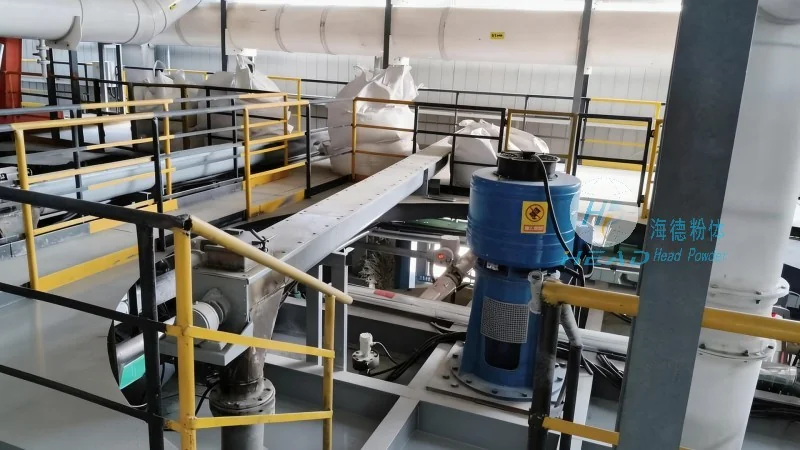
With more than 10‑year industry experience, Shandong Headpowder delivers full‑service pneumatic‑conveying systems and blowers, undertaking nationwide turn‑key powder‑handling projects.
In the modern chemical and industrial sectors, the handling of fine powders presents unique challenges, particularly when dealing with sensitive materials like molecular sieves. Molecular sieves are highly porous crystalline materials known for their exceptional adsorption capabilities, making them indispensable in gas purification, separation, and catalysis. However, the physical properties of molecular sieves—such as their fine particle size, tendency to generate dust, and potential for electrostatic charge—require specialized handling equipment. Standard conveying methods often fall short, leading to product loss, cross-contamination, and operational inefficiencies. This is where a robust molecular sieve pneumatic conveying solution becomes critical. Implementing a tailored approach ensures that the material is transported safely, efficiently, and with minimal degradation. By utilizing advanced pneumatic technology, industries can maintain the integrity of the molecular sieve while streamlining their production processes, ensuring that the final product meets the stringent quality standards required for industrial applications.
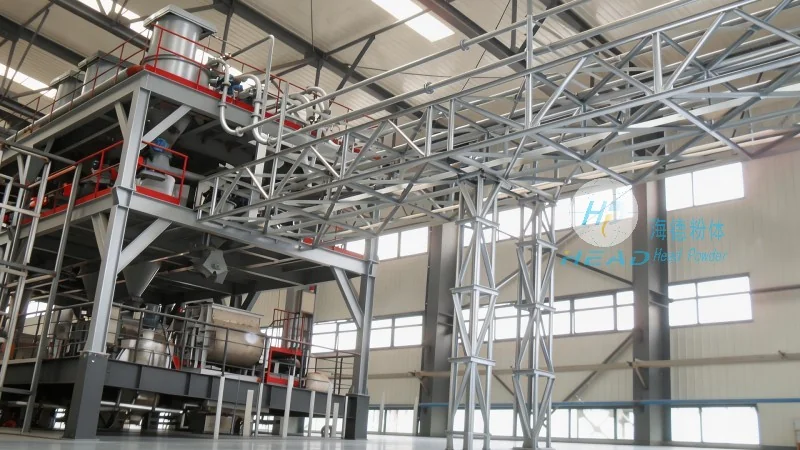
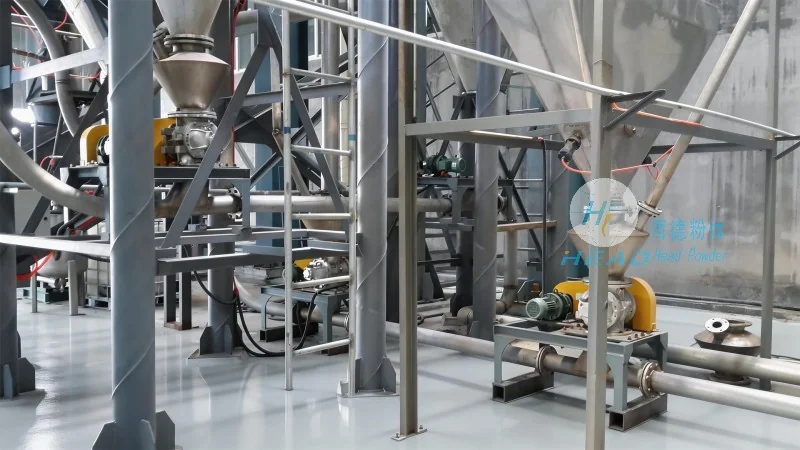
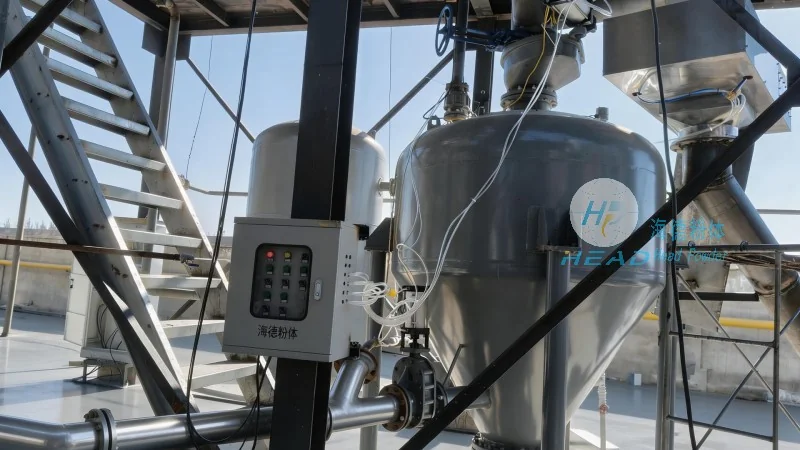
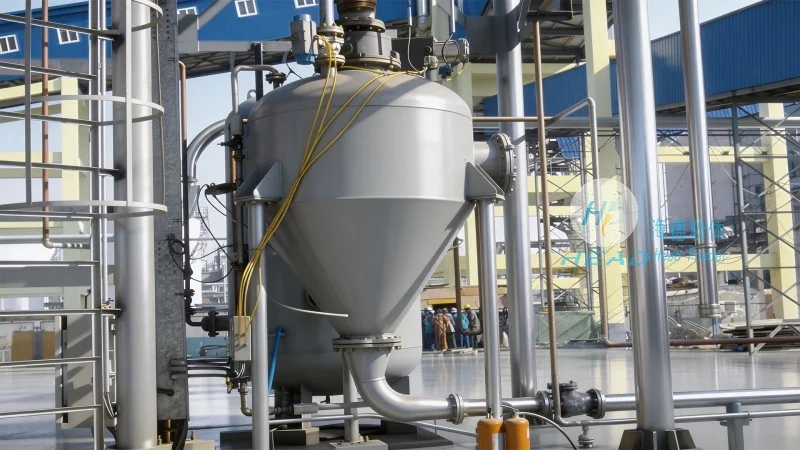
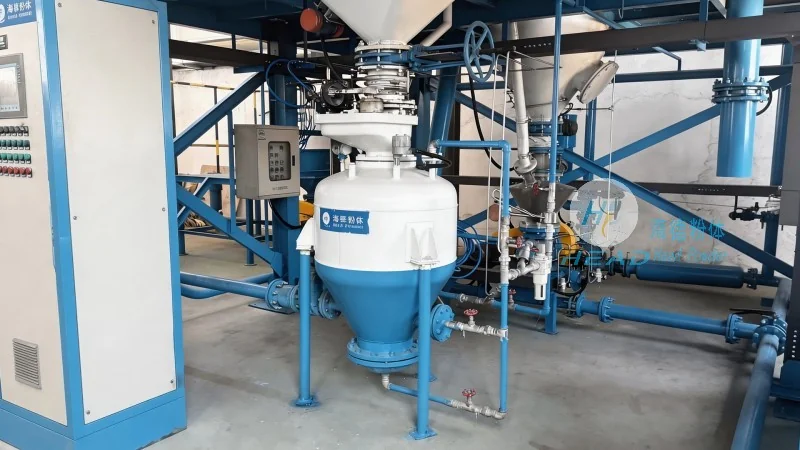
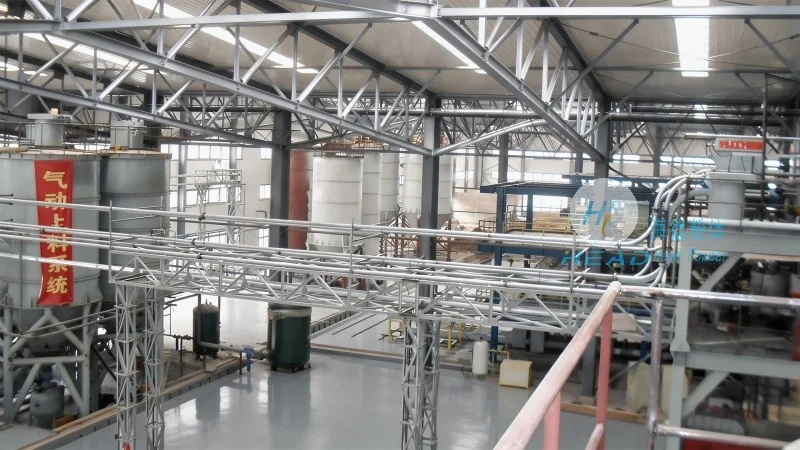
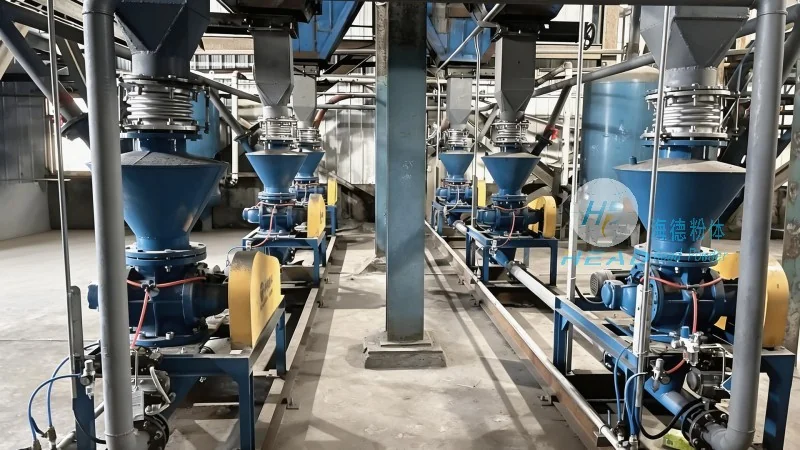
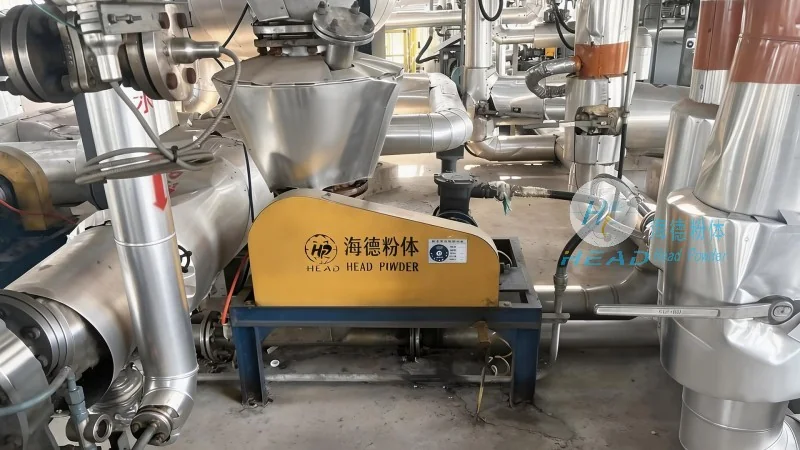
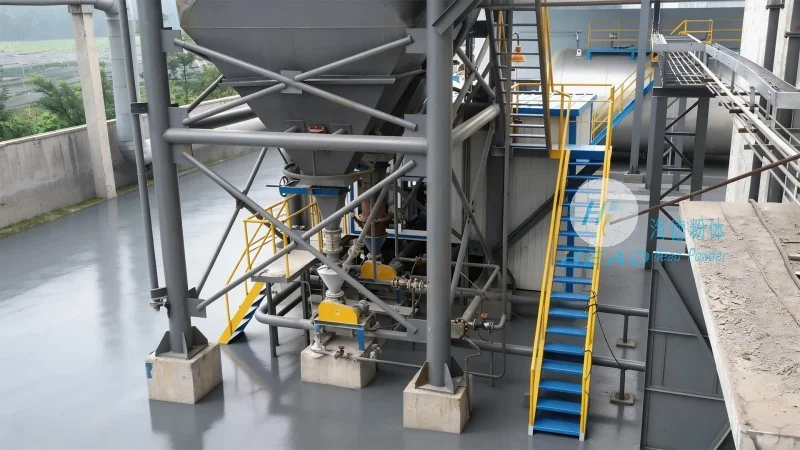
A high-performance molecular sieve conveying system is not merely a simple pipe; it is a complex assembly of engineering components designed to handle the specific nuances of powder handling. The system typically begins with a storage vessel, often a hopper or silo, which holds the molecular sieve feedstock. From there, the material is introduced into the conveying line. The heart of the system is the pneumatic conveying mechanism, which can operate in various modes such as dilute phase, dense phase, or vacuum conveying, depending on the specific requirements of the material flow and distance. Key components include the vacuum generator or compressor, which creates the necessary pressure differential to move the powder; the conveying pipeline, which must be carefully designed to prevent blockages and reduce abrasion; and the separation and filtration units, such as cyclone separators and bag filters, which ensure that the powder is cleanly separated from the conveying air before returning to the storage vessel or moving to the next processing stage. Each of these elements must be precisely calibrated to ensure the seamless operation of the molecular sieve conveying system.
Choosing the right partner for powder handling equipment is as important as the equipment itself. A professional molecular sieve pneumatic conveying manufacturer brings expertise in material science and mechanical engineering to the table. Manufacturers like Shandong Headpowder Engineering Co., Ltd. understand that every batch of molecular sieve may have slightly different flow characteristics. A professional manufacturer provides comprehensive support, from initial site surveys and feasibility studies to final installation and after-sales service. They utilize state-of-the-art simulation software to predict flow behavior and prevent operational hiccups. Furthermore, professional manufacturers adhere to strict safety and hygiene standards, which is vital when handling materials that may be used in pharmaceutical or food-grade applications. By relying on a specialized manufacturer, companies can ensure that their molecular sieve pneumatic conveying solution is not only efficient but also durable and compliant with industry regulations.
One size does not fit all in the world of industrial powder handling. This is why molecular sieve pneumatic conveying solution customization is a vital service offered by leading engineering firms. Every plant layout is unique, with varying distances between storage and processing units, different ceiling heights, and specific production schedules. A customized solution takes these factors into account to optimize the conveying process. For instance, if the distance is long, a dense phase system might be employed to reduce wear on the pipes and prevent the molecular sieve from breaking down due to high-velocity impact. Conversely, for short distances and high flow rates, a dilute phase system might be more economical. A specialized engineering team will design the pipeline routing to minimize bends and obstructions, reducing energy consumption and maintenance costs. This level of bespoke engineering ensures that the molecular sieve is delivered to the reactor or packaging machine exactly when and where it is needed, maximizing overall plant efficiency.
Located in Shandong, China, Shandong Headpowder Engineering Co., Ltd. has established itself as a premier entity in the field of powder handling technology. As a dedicated molecular sieve pneumatic conveying manufacturer, the company focuses on delivering high-quality equipment and engineering services tailored to the needs of the global market. The company's expertise spans the entire spectrum of powder handling, from the design and manufacturing of individual components to the turnkey delivery of complex conveying systems. Their commitment to innovation and quality control ensures that every system they produce meets the highest standards of reliability and performance. Whether it is a small-scale laboratory setup or a large industrial production line, Shandong Headpowder Engineering Co., Ltd. provides the technical know-how and industrial experience necessary to overcome the challenges of powder transport. Their solutions are designed to enhance productivity, reduce labor costs, and improve workplace safety by minimizing dust exposure.
For businesses seeking to upgrade their powder handling capabilities or require a new molecular sieve conveying system, direct engagement with experienced engineers is essential. Shandong Headpowder Engineering Co., Ltd. is ready to assist clients in developing the most effective strategies for their specific applications. To discuss your project requirements, technical specifications, or to request a detailed proposal, you are encouraged to contact their professional team. The company prides itself on responsive customer service and technical support. For direct communication regarding your powder handling needs, please reach out to the contact person listed below. Their team is equipped to provide the expert guidance required to select the optimal molecular sieve pneumatic conveying solution for your facility.
Contact Person: Manager Zhang
WeChat: 15662777102

 Shandong Headpowder Engineering Co., Ltd.
 156-6277-7102(Manager Zhang)
  0531-83386006
  Zhangqiu District, Jinan City, Shandong Province, China
telephone
WeChatconsult
top