

Operation Process and Working Principle of Dry Sludge Powder Conveying
HeadPowder, a leading provider of industrial conveying solutions, specializes in the efficient and reliable transport of dry sludge and powder materials. Based in Shandong, China, the company has established itself as a trusted partner for businesses seeking advanced systems to handle challenging material handling tasks. This article delves into the operation process and working principles of dry sludge powder conveying systems, highlighting the key components, mechanisms, and benefits that make these solutions indispensable in various industrial applications.
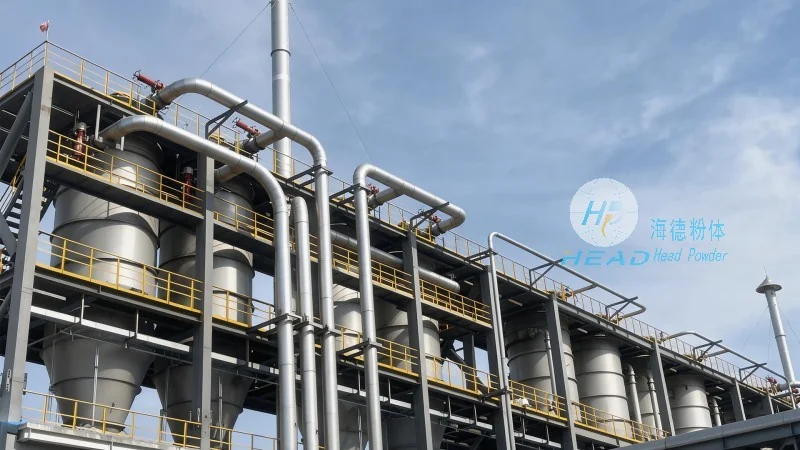
Company Profile and Expertise
Shandong HeadPowder Engineering Co., Ltd., operating under the brand name HeadPowder, is dedicated to delivering high-performance conveying technologies tailored to the needs of modern industries. With a strong presence in Shandong, China, the company leverages its expertise in material handling to develop customized solutions that address the unique challenges of transporting dry sludge and other fine powders. HeadPowder's commitment to innovation and quality ensures that their systems meet the rigorous demands of sectors such as wastewater treatment, mining, and chemical processing.
Understanding Dry Sludge Powder Conveying
Dry sludge powder conveying involves the movement of solid materials in a dry state, typically through pneumatic or mechanical systems. Unlike wet sludge, which requires different handling methods, dry sludge presents its own set of challenges, including dust generation, material segregation, and the need for precise control over flow rates. The primary goal of these systems is to transport dry sludge efficiently while maintaining product integrity and minimizing environmental impact.
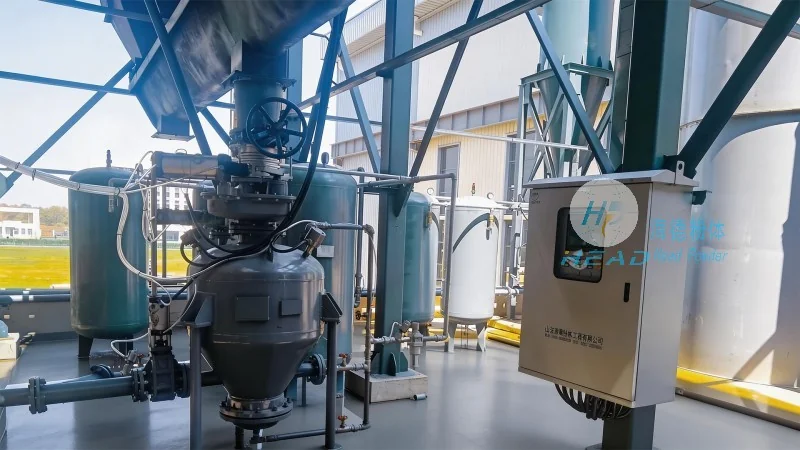
Key Components of Dry Sludge Powder Conveying Systems
The operation of dry sludge powder conveying systems relies on several critical components that work in harmony to ensure smooth material transport. These components include:
- Pneumatic Conveying Hoppers: These containers are designed to store and feed dry sludge into the conveying line. They are equipped with feeding mechanisms that ensure a consistent flow of material into the system.
- Conveying Lines: The main pathway for transporting dry sludge, typically made of flexible or rigid tubing. The choice of material for the conveying line depends on the properties of the sludge, such as abrasiveness and moisture content.
- Pneumatic Blowers or Fans: These devices generate the necessary air pressure to move the dry sludge through the conveying line. The power and capacity of the blower are critical factors in determining the system's conveying capacity.
- Control Valves and Regulators: These components regulate the flow of air and material, allowing for precise control over the conveying process. They help maintain consistent pressure and prevent blockages or overloading.
- Receiving Hoppers or Silos: The end point of the conveying system where the dry sludge is deposited. These hoppers are designed to handle the material safely and efficiently, often with features like dust collection and level monitoring.
The Operation Process of Dry Sludge Powder Conveying
The operation process of a dry sludge powder conveying system typically follows a sequence of steps to ensure efficient material transport. Here is a detailed breakdown of the process:
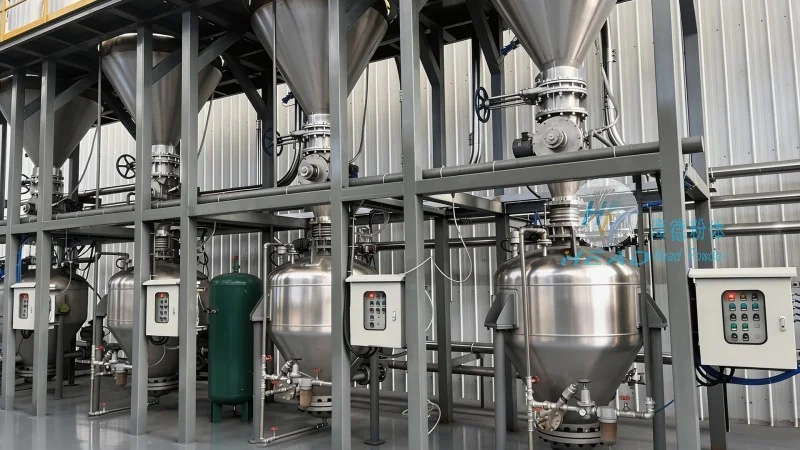
- Material Loading: Dry sludge is loaded into the pneumatic conveying hopper. The hopper is equipped with a feeding mechanism, such as a rotary valve or a screw feeder, which controls the rate at which the material is introduced into the system.
- Air Intake and Compression: The pneumatic blower or fan draws in ambient air and compresses it to a specific pressure. This pressurized air is then directed into the conveying line.
- Material Suspension and Transport: As the compressed air flows through the conveying line, it lifts and suspends the dry sludge particles. The air velocity is maintained at a level sufficient to keep the particles in suspension, preventing them from settling or clogging the line.
- Controlled Discharge: At the receiving hopper or silo, the air and material are separated. The air is typically filtered and vented, while the dry sludge is collected in the receiving container. Control valves and regulators ensure that the discharge rate is consistent and controlled.
- System Monitoring and Maintenance: Throughout the operation, the system is monitored for pressure, flow, and any signs of blockage or wear. Regular maintenance, including cleaning of filters and checking for wear on components, is essential to ensure the longevity and efficiency of the system.
Working Principles Behind Dry Sludge Powder Conveying
The working principles of dry sludge powder conveying systems are based on the fundamental physics of fluid dynamics and particle transport. The primary principle is the use of air as a carrier medium to move dry sludge particles. This approach, known as pneumatic conveying, relies on the interaction between the air flow and the solid particles to achieve efficient transport.
Key principles include:
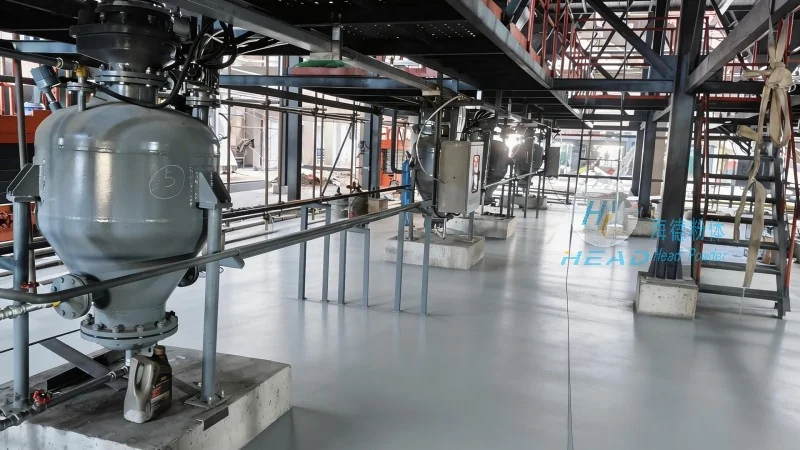
- Velocity and Pressure: The velocity of the air in the conveying line must be sufficient to keep the dry sludge particles suspended. The pressure generated by the blower ensures that the particles are carried along the line without settling.
- Particle Size and Density: The size and density of the dry sludge particles affect the conveying efficiency. Smaller particles require higher air velocities to remain suspended, while larger or denser particles may need higher pressure or different conveying line materials.
- System Design and Layout: The design of the conveying system, including the length and diameter of the line, the number of bends, and the placement of components, significantly impacts the system's performance. Proper system layout minimizes pressure losses and prevents blockages.
- Material Properties: The properties of the dry sludge, such as its moisture content, abrasiveness, and tendency to agglomerate, must be considered when selecting the appropriate conveying system and components. For example, highly abrasive materials may require special materials for the conveying line to prevent wear.
Benefits and Applications of Dry Sludge Powder Conveying
Dry sludge powder conveying systems offer several advantages over traditional methods, making them ideal for a wide range of industrial applications. Some of the key benefits include:
- Efficient and Cost-Effective Transport: Pneumatic conveying systems can transport dry sludge over long distances with minimal energy consumption compared to other methods like trucking or belt conveyors.
- Reduced Labor and Maintenance: Automated systems reduce the need for manual handling of dry sludge, minimizing labor costs and exposure to hazardous materials. Regular maintenance is required, but the overall operational costs are often lower than traditional methods.
- Improved Product Quality: Dry sludge is transported in a dry state, preserving its properties and preventing moisture-related issues such as caking or degradation.
- Environmental Benefits: By minimizing dust generation and ensuring proper containment, these systems help reduce environmental impact and comply with regulatory requirements.
Conclusion
HeadPowder's expertise in dry sludge powder conveying systems provides industrial clients with reliable and efficient solutions for handling challenging materials. By understanding the operation process and working principles of these systems, businesses can make informed decisions about implementing advanced conveying technologies that enhance productivity, reduce costs, and improve safety. With a strong presence in Shandong, China, HeadPowder continues to innovate and deliver high-quality systems that meet the evolving needs of modern industries.