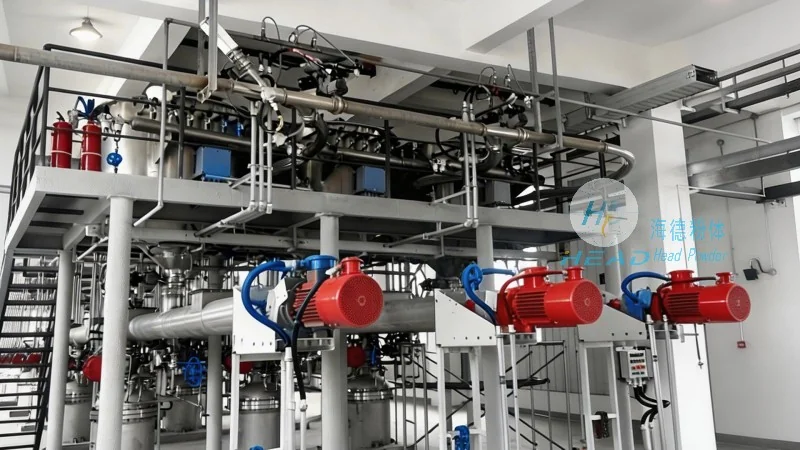
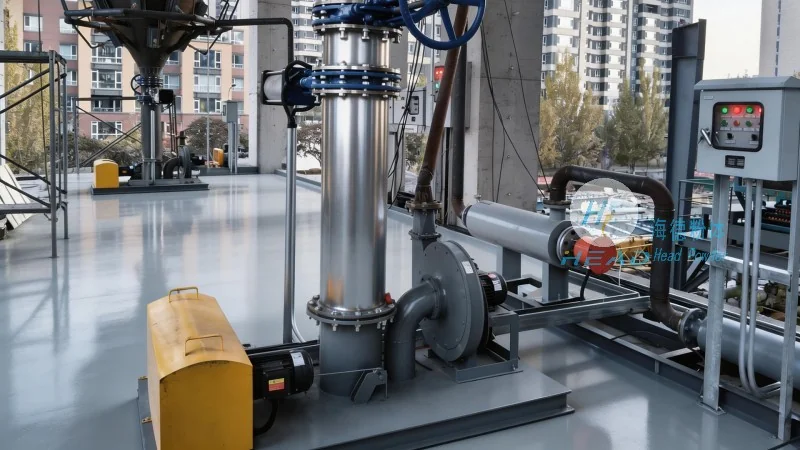
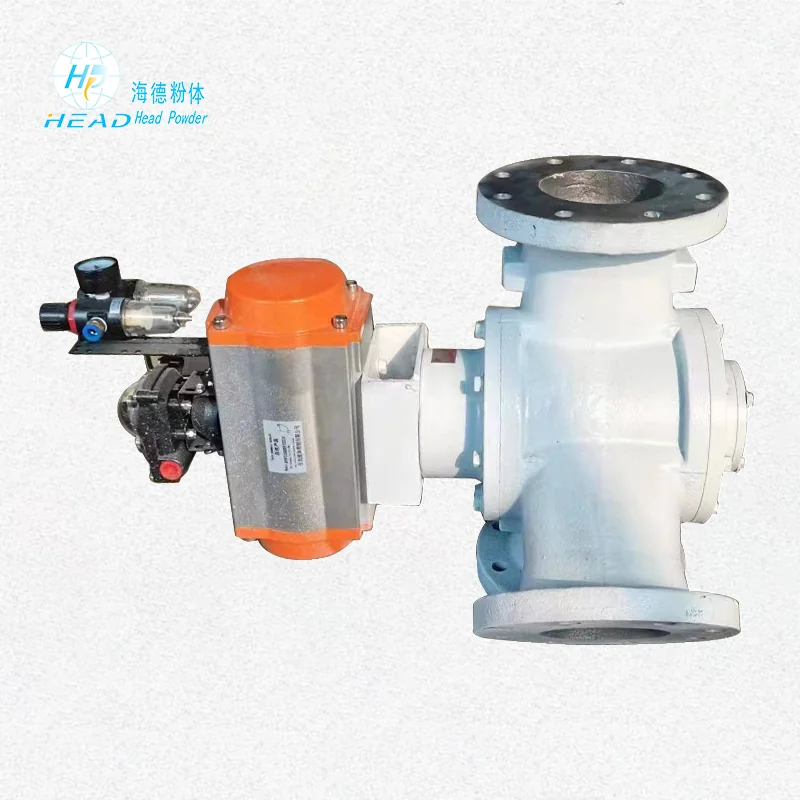
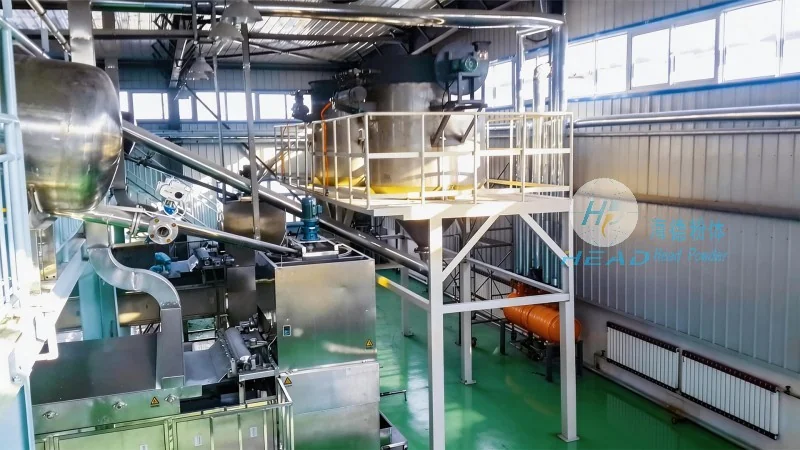
With more than 10‑year industry experience, Shandong Headpowder delivers full‑service pneumatic‑conveying systems and blowers, undertaking nationwide turn‑key powder‑handling projects.
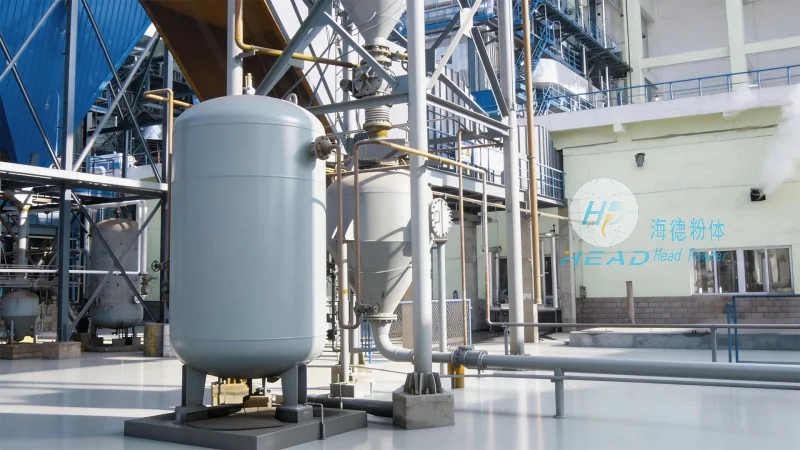
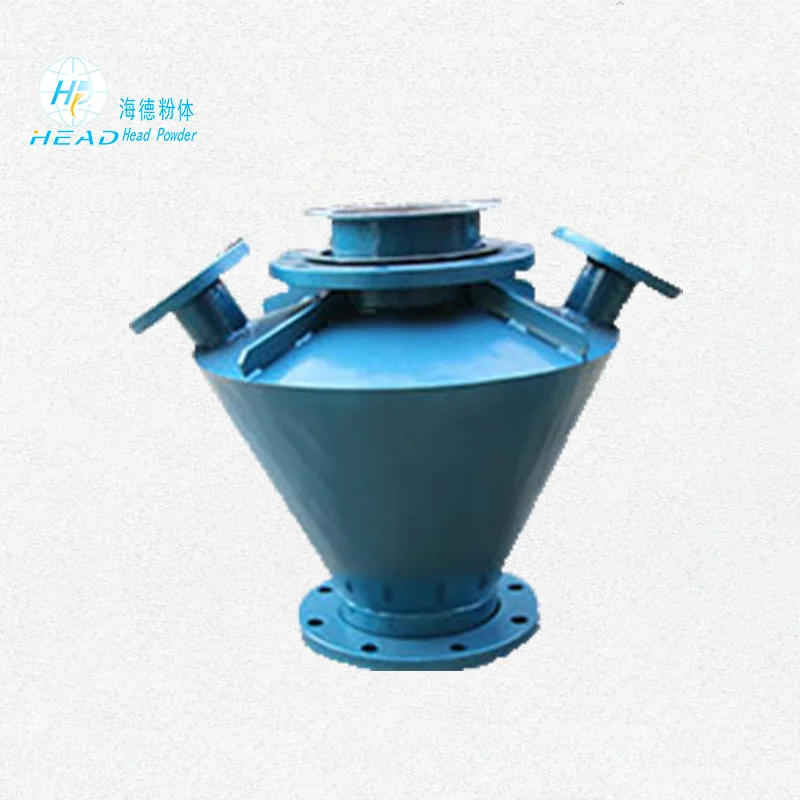
Shandong Headpowder Engineering Co., Ltd. is a specialized enterprise dedicated to the research, development, and manufacturing of advanced pneumatic conveying equipment. Among our flagship products is the Top-Drawn Silo Pump, a highly efficient solution designed for the bulk handling of dry powder materials. This equipment is essential for modern industrial facilities that require reliable, dust-free, and energy-efficient material transfer. As a professional Top-Drawn Silo Pump manufacturer, we understand the critical nature of material flow in production lines, which is why our equipment is engineered to meet rigorous operational standards.
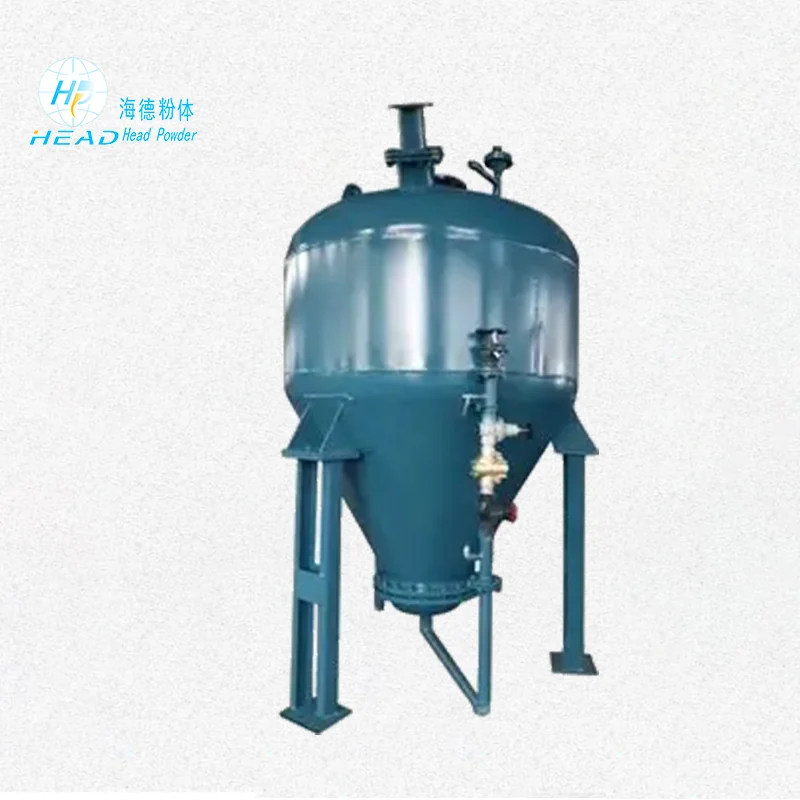
The Top-Drawn Silo Pump operates on a unique principle that sets it apart from traditional bottom-drawing systems. This design ensures that the material is transported with minimal pressure loss and maximum efficiency. Whether you are dealing with cement, fly ash, limestone powder, or other fine granular materials, this pump provides a robust method for vertical and horizontal transportation. Shandong Headpowder Engineering Co., Ltd. has established itself as a trusted partner in the industry by delivering equipment that combines durability with cutting-edge technology.
The operational mechanism of the Top-Drawn Silo Pump is based on the principle of pneumatic conveying. Unlike bottom-drawing systems that rely on gravity and pressure at the bottom of the silo, the Top-Drawn Silo Pump utilizes a unique aeration and suction process. This method allows for the continuous and stable flow of materials, significantly reducing the risk of blockages that often occur with dense-phase systems. The equipment is designed to handle high-viscosity or cohesive powders that might otherwise cause issues in standard conveyors.
Inside the pump housing, aeration devices are installed to fluidize the material, allowing it to flow smoothly into the discharge pipe. The system then utilizes compressed air to push the material through the pipeline to the destination. This process is highly efficient because it minimizes the wear on the pipeline and reduces the energy consumption required for air compression. Shandong Headpowder Engineering Co., Ltd. optimizes the internal geometry of the pump to ensure optimal flow dynamics, resulting in a system that operates smoothly even under high loads.
One of the primary advantages of the Top-Drawn Silo Pump is its superior sealing performance. The design prevents dust leakage, which is crucial for maintaining a clean working environment and protecting the health of operators. Additionally, the pump is constructed with high-quality wear-resistant materials that extend the service life of the equipment, reducing the frequency of maintenance and replacement costs. The structural design is robust, capable of withstanding the high pressures generated during the pneumatic conveying process.
Another significant feature is the flexibility in conveying distance and height. The Top-Drawn Silo Pump can transport materials over long distances and to significant heights, making it suitable for complex plant layouts. The system is also highly automated, requiring minimal manual intervention once set up. Shandong Headpowder Engineering Co., Ltd. ensures that every unit undergoes strict quality control checks to guarantee that these features are consistently delivered to our clients. The equipment is easy to install and can be customized to fit various silo sizes and production capacities.
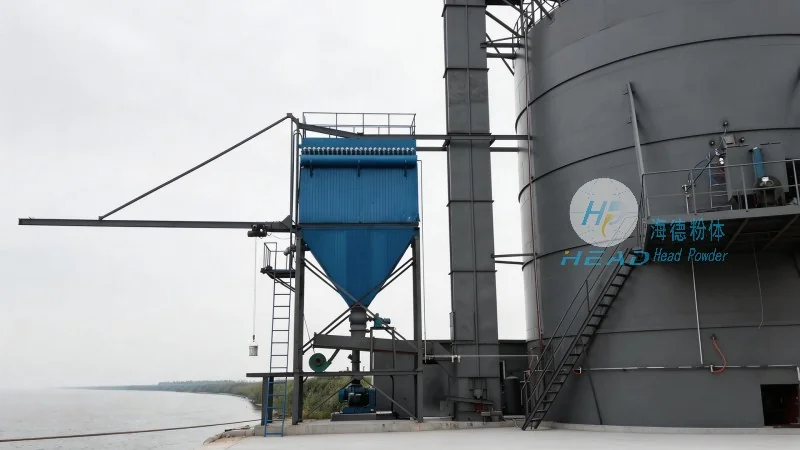
The versatility of the Top-Drawn Silo Pump makes it suitable for a wide range of industries. In the construction sector, it is widely used for transporting cement and ready-mix concrete components. In the power industry, it is essential for moving large volumes of coal ash and gypsum. Furthermore, the chemical industry utilizes this equipment for handling fine chemical powders and pigments. The ability to handle abrasive and corrosive materials makes the Top-Drawn Silo Pump a versatile choice for diverse industrial applications.
For facilities looking to upgrade their material handling systems, the Top-Drawn Silo Pump offers a reliable alternative to screw conveyors or belt conveyors. It eliminates the issues of material degradation and cross-contamination that can occur with mechanical conveyors. Shandong Headpowder Engineering Co., Ltd. provides comprehensive engineering support to ensure that the pump is perfectly integrated into your existing production line, optimizing your overall workflow and productivity.
When considering the investment in pneumatic conveying equipment, understanding the factors that affect the Top-Drawn Silo Pump price is essential. The cost is not merely determined by the size of the pump but by the specific technical requirements of the application. Key factors include the material being conveyed, the required conveying distance, the vertical lift height, and the pipeline diameter. Shandong Headpowder Engineering Co., Ltd. provides transparent and competitive pricing based on these technical specifications.
High-quality materials such as stainless steel or special alloy steel will influence the price, as they offer better corrosion resistance and longevity compared to standard carbon steel. Additionally, the complexity of the control system and the automation level can affect the final quote. As a leading Top-Drawn Silo Pump manufacturer, we strive to offer the best value for money by ensuring that every component used in our pumps meets international quality standards. We work closely with clients to provide a detailed cost analysis and a customized solution that fits their budget without compromising on performance.
Quality is the cornerstone of Shandong Headpowder Engineering Co., Ltd.'s operations. Our manufacturing facility is equipped with state-of-the-art machinery and staffed by experienced engineers who specialize in pneumatic conveying systems. Each Top-Drawn Silo Pump is manufactured in strict accordance with industry standards to ensure safety and reliability. We conduct rigorous testing on prototypes and finished products to verify pressure resistance, flow rate accuracy, and structural integrity.
We believe in continuous improvement and innovation. Our R&D team constantly works on enhancing the efficiency of the Top-Drawn Silo Pump to meet the evolving demands of the global market. By choosing Shandong Headpowder Engineering Co., Ltd., clients are assured of a product that is not only durable and efficient but also backed by professional technical support and after-sales service. Our commitment to excellence has earned us a reputation as a reliable supplier in the engineering sector.
If you are interested in learning more about our equipment or require a detailed consultation for your project, please do not hesitate to contact us. Shandong Headpowder Engineering Co., Ltd. is ready to assist you in selecting the right pneumatic conveying solution for your specific needs. You can reach our sales department directly.
For direct communication and quick assistance, please contact Zhang Manager via WeChat at 15662777102. We look forward to building a long-term partnership with you and providing top-tier engineering solutions.

 Shandong Headpowder Engineering Co., Ltd.
 156-6277-7102(Manager Zhang)
  0531-83386006
  Zhangqiu District, Jinan City, Shandong Province, China
telephone
WeChatconsult
top