With more than 10‑year industry experience, Shandong Headpowder delivers full‑service pneumatic‑conveying systems and blowers, undertaking nationwide turn‑key powder‑handling projects.
Transporting fine sand presents a unique set of engineering challenges that differ significantly from moving larger aggregate materials. Fine sand is characterized by its high surface area, low bulk density, and tendency to flow freely, which can lead to dust generation, blockages, and equipment wear if not handled correctly. Traditional mechanical conveying methods, such as belt conveyors or screw conveyors, often struggle with these specific characteristics, leading to inefficiencies and maintenance issues. Consequently, industries are increasingly turning to specialized systems designed to handle the nuances of fine sand. Shandong Headpowder Engineering Co., Ltd. stands at the forefront of this technological advancement, offering robust solutions that redefine the standards for **fine sand conveying** and **material conveying** across various industrial sectors.
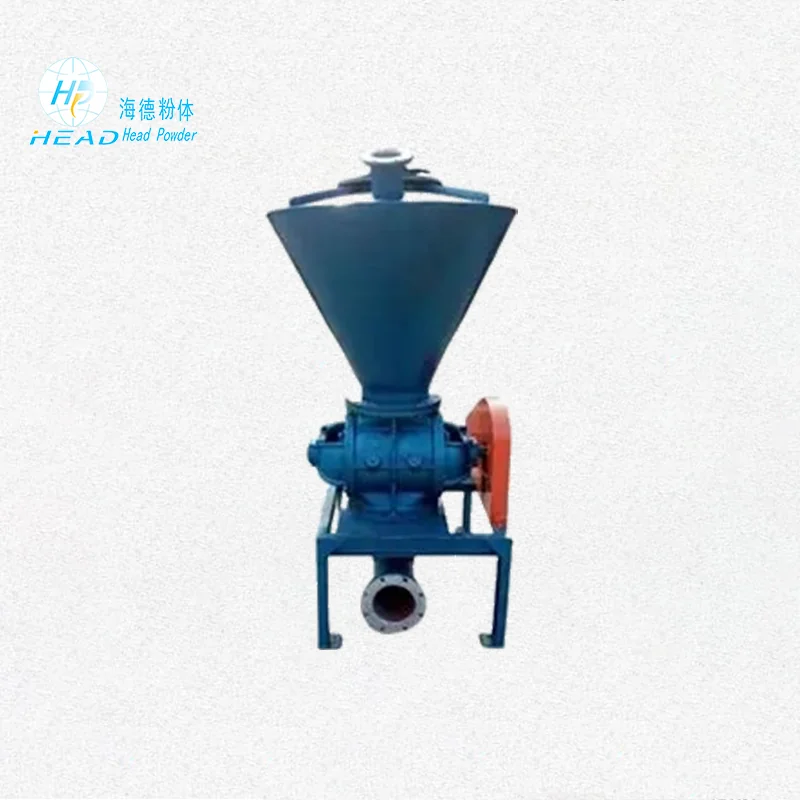
The core of modern fine sand handling lies in the understanding that a one-size-fits-all approach rarely works. Different applications require different pressures, flow rates, and system configurations. Whether the goal is to transport sand from a storage silo to a mixing plant or to move it between different production lines, the system must be tailored to the specific properties of the material. Headpowder Engineering Co., Ltd. specializes in analyzing these requirements to design systems that are not only efficient but also reliable and cost-effective over the long term.
Among the various methods available, **fine sand pneumatic conveying** has emerged as the preferred choice for many industrial applications. This technology utilizes air pressure to move the sand through a closed pipeline system, ensuring that the material is transported without direct human intervention. Unlike mechanical conveyors, which rely on moving parts that can wear out or jam, pneumatic systems are largely non-mechanical in the transport phase, significantly reducing the risk of mechanical failure. The process involves introducing the material into a conveying line where air pressure pushes the sand forward, ensuring a consistent and controlled flow.
The versatility of pneumatic conveying is one of its greatest strengths. It allows for the routing of pipelines in complex layouts, including vertical lifts and horizontal runs, without the need for intermediate transfer points that are common in belt conveyor systems. This flexibility is particularly valuable in facilities where space is limited or where the distance between the material source and the destination is significant. By using compressed air, the system can maintain a steady velocity that prevents the sand from settling or forming bridges, ensuring a continuous stream of material to the processing equipment.
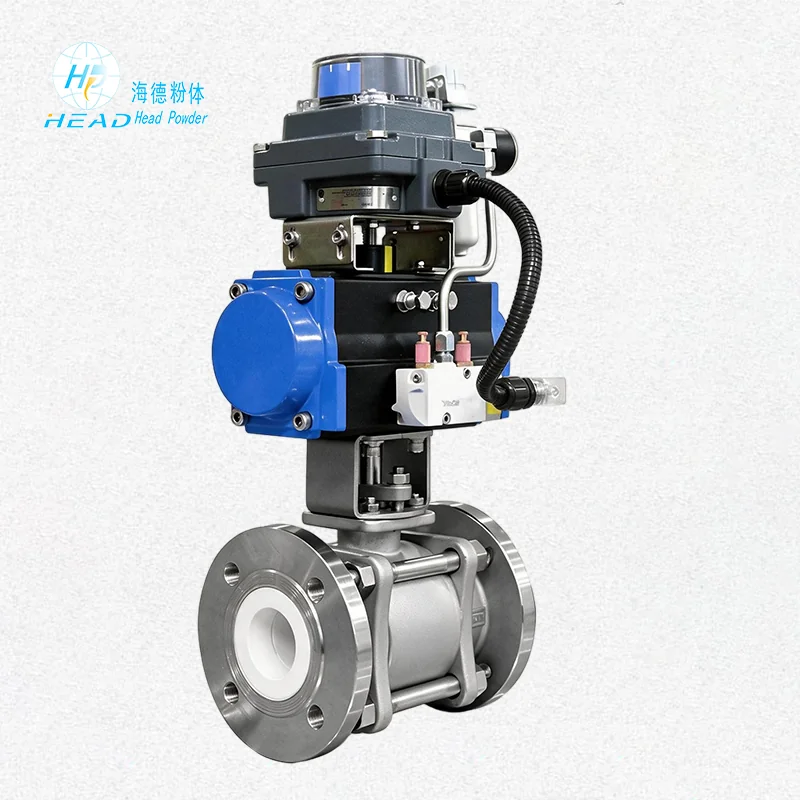
Shandong Headpowder Engineering Co., Ltd. is dedicated to providing state-of-the-art **material conveying** systems that meet the rigorous demands of modern industry. The company’s expertise lies in the design and manufacturing of systems that handle a wide range of powders and granular materials, with a particular focus on fine sand. Their systems are engineered to handle the challenges of low bulk density materials, ensuring that the conveying process is both energy-efficient and productive. The company’s product portfolio includes a variety of configurations designed to suit different operational environments, from dusty construction sites to clean, controlled manufacturing facilities.
The technology employed by Headpowder ensures that the **fine sand conveying** process is not only efficient but also environmentally responsible. By maintaining a closed system, the risk of dust pollution is virtually eliminated, creating a safer working environment for operators and reducing the impact on the surrounding area. Furthermore, the systems are designed to minimize material degradation, preserving the quality and integrity of the sand as it moves through the pipeline. This is crucial for applications where the sand’s texture or fineness is a critical factor in the final product quality.
Implementing a pneumatic conveying system from a reputable provider like Headpowder offers numerous operational benefits. One of the primary advantages is the reduction in maintenance requirements. With fewer moving parts exposed to the abrasive nature of fine sand, the lifespan of the system components is extended, leading to lower downtime and reduced repair costs. Additionally, the system is highly automated, requiring minimal supervision once it is operational. This automation translates to labor savings and allows operators to focus on other critical aspects of production management.
Another significant benefit is the energy efficiency of the systems. Modern pneumatic conveying technology is designed to optimize air-to-material ratios, ensuring that energy is used effectively to move the material. This not only reduces the operational costs but also makes the systems more sustainable. The ability to transport materials over long distances without significant pressure drop is also a key feature, allowing for greater flexibility in plant layout and design. Whether the requirement is a high-volume, continuous flow or a batch-wise transfer, the system can be scaled and adjusted to meet the specific needs of the project.
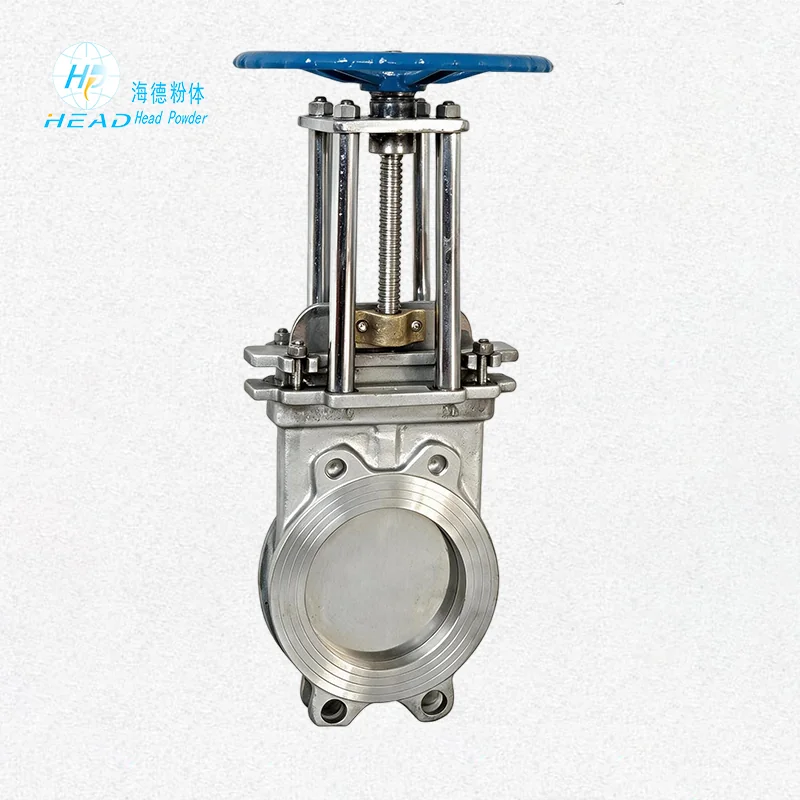
When selecting a partner for **fine sand conveying** and **material conveying** projects, the experience and reliability of the supplier are paramount. Shandong Headpowder Engineering Co., Ltd. has established itself as a trusted name in the industry, backed by a team of experienced engineers and technical experts. The company takes pride in its customer-centric approach, working closely with clients to understand their specific challenges and develop customized solutions that address their unique needs. From the initial consultation and system design to installation and after-sales support, Headpowder provides comprehensive service to ensure the success of every project.
The company’s commitment to quality is reflected in its rigorous testing and quality control processes. Every system is thoroughly tested before delivery to ensure it meets the highest standards of performance and safety. This dedication to excellence has earned the company a strong reputation among clients who value reliability and performance. By choosing Headpowder, clients are not just purchasing a piece of equipment; they are gaining a long-term partner committed to their operational success.
To learn more about how Headpowder can optimize your material handling processes, please do not hesitate to reach out. The team at Shandong Headpowder Engineering Co., Ltd. is ready to provide detailed consultations and technical support. You can contact Zhang Manager directly to discuss your specific requirements and explore the best solutions for your **fine sand conveying** needs. You may also reach out via WeChat at 15662777102 for immediate assistance. Headpowder looks forward to the opportunity to serve you and help you achieve your production goals with superior **material conveying** technology.

 Shandong Headpowder Engineering Co., Ltd.
 156-6277-7102(Manager Zhang)
  0531-83386006
  Zhangqiu District, Jinan City, Shandong Province, China
telephone
WeChatconsult
top