With more than 10‑year industry experience, Shandong Headpowder delivers full‑service pneumatic‑conveying systems and blowers, undertaking nationwide turn‑key powder‑handling projects.
Understanding the operation process and working principle of manganese carbonate powder conveying systems is crucial for optimizing industrial efficiency and ensuring safe material handling. This article provides a detailed overview of the key components, operational steps, and technical aspects involved in the conveyance of manganese carbonate powder, a vital mineral used in various industrial applications.
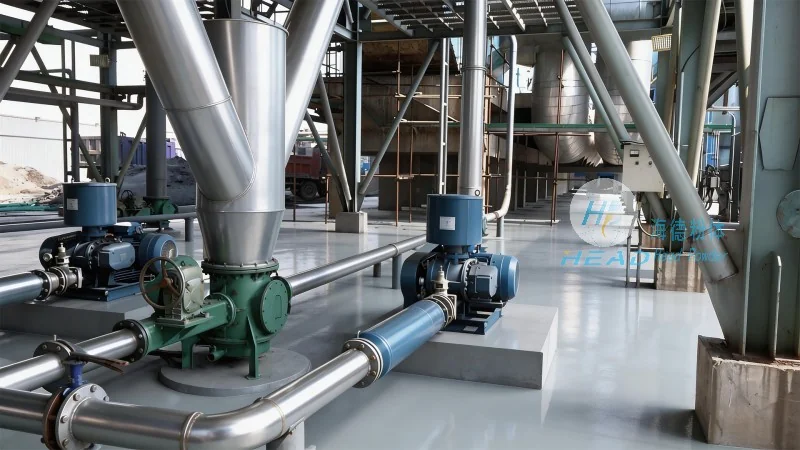
Manganese carbonate powder conveying involves the transport of fine, dry powder material from a source to a destination within an industrial setting. The process typically utilizes specialized equipment designed to handle the unique properties of manganese carbonate, such as its fine particle size, dustiness, and potential reactivity under certain conditions. Effective conveying systems are essential to maintain product quality, minimize material loss, and ensure operational safety.
The core components of a manganese carbonate powder conveying system include feeders, conveyors, dust collection systems, and control mechanisms. Each component plays a critical role in the overall operation. Feeders, such as rotary valves or vibratory feeders, regulate the flow of powder from storage silos or hoppers into the conveyor. Conveyors, often pneumatic or mechanical, transport the powder through pipelines or ducts. Dust collection systems, including baghouses or cartridge filters, capture airborne particles to prevent environmental contamination and maintain air quality. Control systems, typically PLC-based, monitor and adjust the flow rate, pressure, and other parameters to ensure smooth operation.

The operation process begins with the preparation of the powder material. This involves ensuring the powder is properly stored, free from moisture or contaminants, and ready for transport. The next step is the initiation of the feeder, which starts the flow of powder into the conveyor. As the powder moves through the system, it is transported under controlled conditions, such as pressure or mechanical force, to the destination point. The system continuously monitors the flow rate and pressure to maintain consistent performance. At the end of the conveyor line, the powder is discharged into a receiving container or processing unit. The entire process is designed to be efficient, reliable, and safe, with built-in safety features to prevent over-pressurization or material blockages.
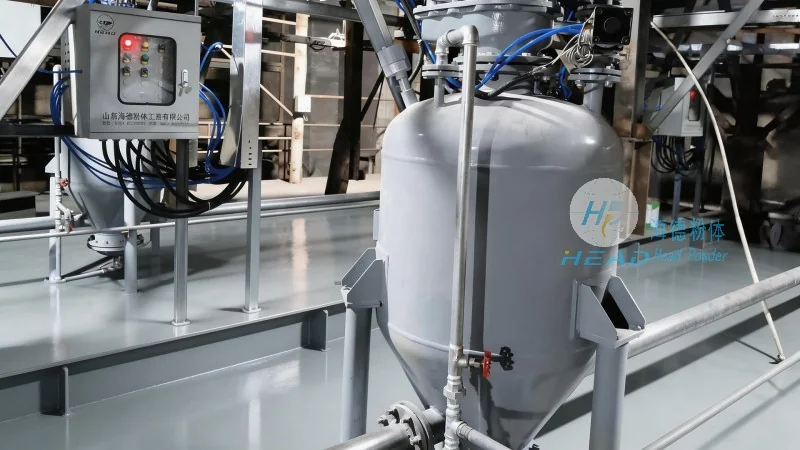
The working principle of manganese carbonate powder conveying systems is based on the transfer of material using either pneumatic or mechanical methods. Pneumatic conveying systems utilize compressed air to create a flow of air and powder mixture through pipelines. The air pressure propels the powder forward, while the dust collection system separates the powder from the air at the end of the line. Mechanical conveying systems, such as screw conveyors or belt conveyors, use mechanical forces to move the powder along a path. These systems are often preferred for handling larger quantities or when the material is more abrasive. The choice of system depends on factors like material properties, distance, and operational requirements.
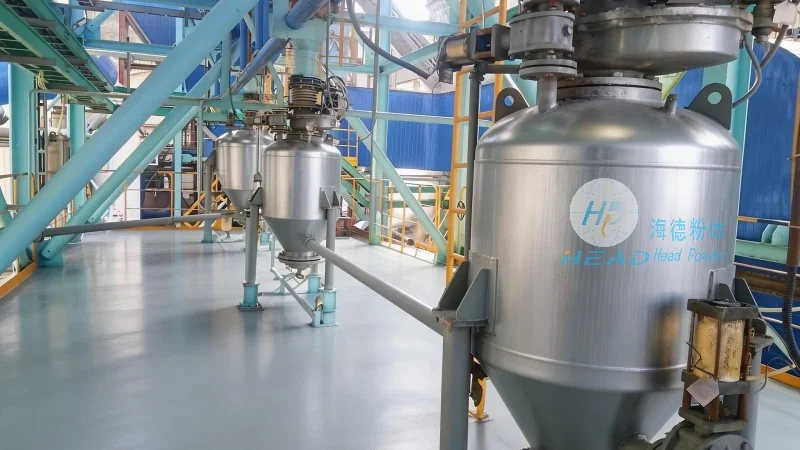
Proper design and regular maintenance of manganese carbonate powder conveying systems are essential to ensure optimal performance and longevity. System design must consider the specific characteristics of manganese carbonate, including its particle size distribution, moisture content, and potential for caking or agglomeration. Regular maintenance, including cleaning of pipelines, checking for wear and tear on components, and verifying the efficiency of dust collection systems, helps prevent system failures and ensures consistent product quality. Additionally, adherence to safety protocols, such as proper grounding and explosion-proof measures, is critical to protect personnel and equipment.
Shandong HeadPowder Engineering Co., Ltd., commonly known as headpowder, is a leading provider of specialized engineering solutions for powder handling and conveying systems. With a focus on innovation and customer satisfaction, the company designs and manufactures high-quality equipment tailored to the unique needs of various industries. Headpowder's expertise in handling fine powders, such as manganese carbonate, ensures reliable and efficient material transport solutions. The company's facilities are located in Shandong, China, where it continues to serve clients globally with advanced technology and superior service.

 Shandong Headpowder Engineering Co., Ltd.
 156-6277-7102(Manager Zhang)
  0531-83386006
  Zhangqiu District, Jinan City, Shandong Province, China
telephone
WeChatconsult
top