With more than 10‑year industry experience, Shandong Headpowder delivers full‑service pneumatic‑conveying systems and blowers, undertaking nationwide turn‑key powder‑handling projects.
Silicone granules are essential materials in numerous industrial applications, ranging from pharmaceuticals and food processing to chemical manufacturing and petrochemicals. Their unique properties, such as high adsorption capacity and thermal stability, make them invaluable. However, the physical characteristics of silicone granules—specifically their hardness, tendency to generate dust, and sensitivity to moisture—present significant challenges during transportation. Unlike bulk powders, silicone granules can cause excessive wear on mechanical equipment and pose environmental hazards if not handled correctly. To address these challenges, a robust and efficient material handling strategy is required. This is where specialized engineering becomes critical. Shandong Headpowder Engineering Co., Ltd. stands at the forefront of providing advanced material handling infrastructure, offering tailored approaches that ensure the safe, efficient, and clean movement of silicone granules from point A to point B.
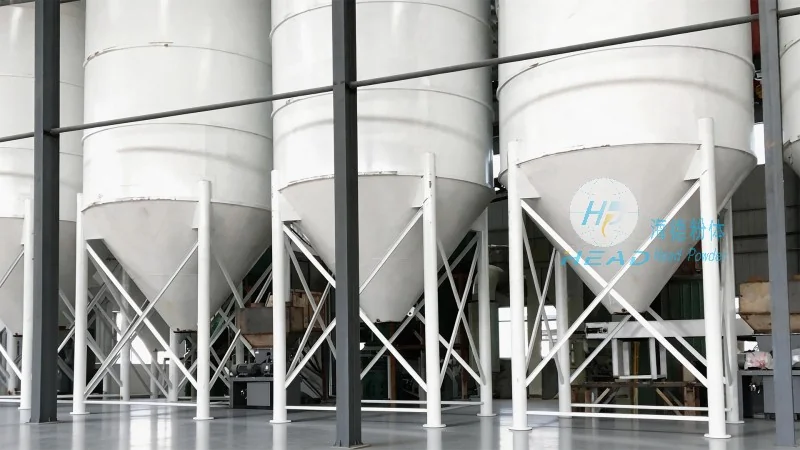
When considering the logistics of bulk material handling, traditional mechanical conveyors, such as screw conveyors or belt conveyors, often fall short when dealing with abrasive and dusty materials like silicone granules. These methods can lead to increased maintenance costs, material degradation, and potential contamination risks. In contrast, pneumatic conveying offers a superior alternative by utilizing air pressure to transport materials through a closed pipeline system. This method eliminates the need for open chutes and reduces the exposure of the material to the external environment. By implementing a sophisticated **silicone granule pneumatic conveying scheme**, industries can achieve a higher level of process control and operational hygiene, which is paramount in sectors like food and pharmaceuticals where material purity is non-negotiable.
The development of an effective **silicone granule pneumatic conveying scheme** requires a deep understanding of the specific physical properties of the material being transported. Silicone granules are generally harder than many other bulk solids, which means they possess a higher propensity to cause abrasion on the interior surfaces of the pipeline. Furthermore, silicone is hygroscopic, meaning it can absorb moisture from the air, potentially leading to clumping or flow issues if the system is not properly sealed. A one-size-fits-all approach is insufficient; therefore, Shandong Headpowder Engineering Co., Ltd. emphasizes a customized engineering approach.
Our engineering team conducts a thorough analysis of the client's production environment, including the distance between the source and the destination, the required throughput capacity, and the specific physical state of the silicone granules. For instance, if the distance is short and the volume is high, a positive pressure system might be optimal. However, for longer distances or when handling moisture-sensitive materials, a negative pressure or a dense-phase system might be more appropriate to minimize velocity and reduce wear. By meticulously designing the **silicone granule pneumatic conveying scheme**, we ensure that the system operates with maximum efficiency while minimizing energy consumption and equipment wear. This tailored strategy ensures that the silicone granules retain their integrity and quality throughout the entire transportation process.
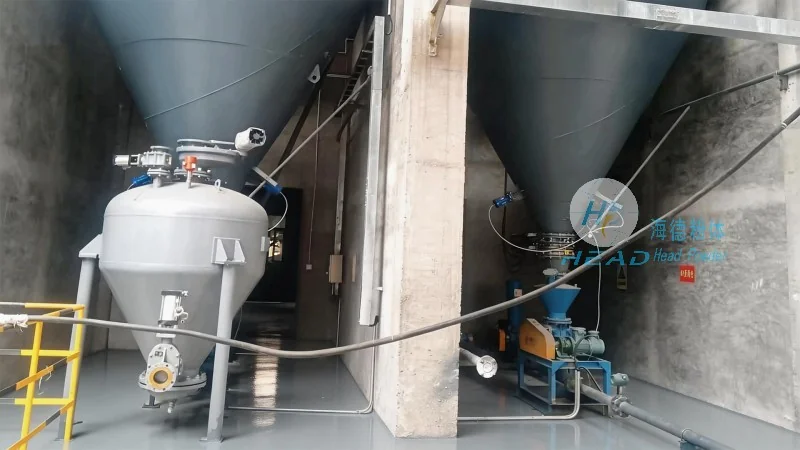
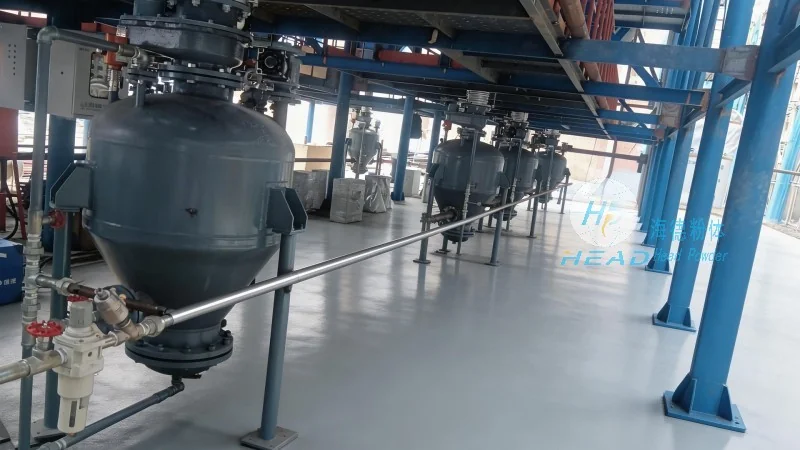
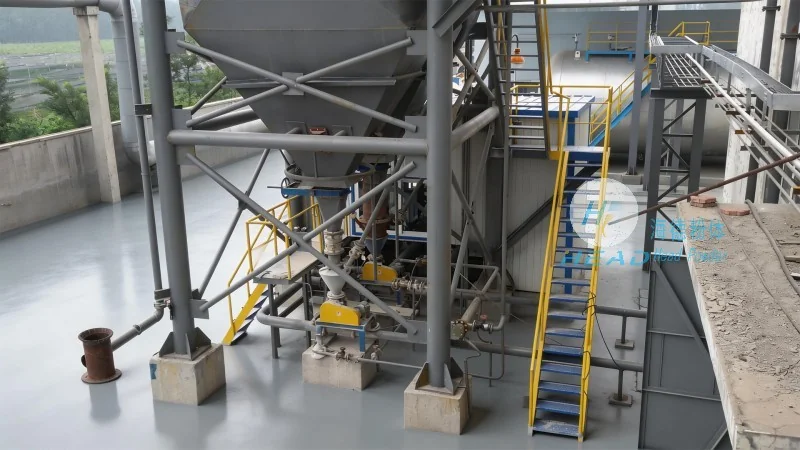
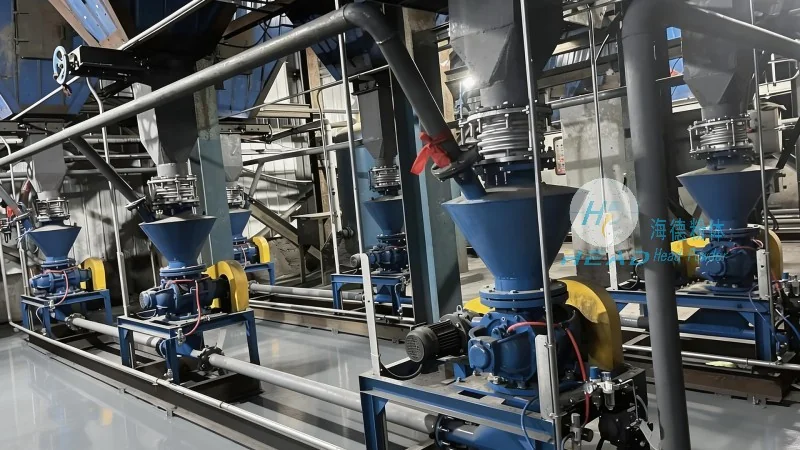
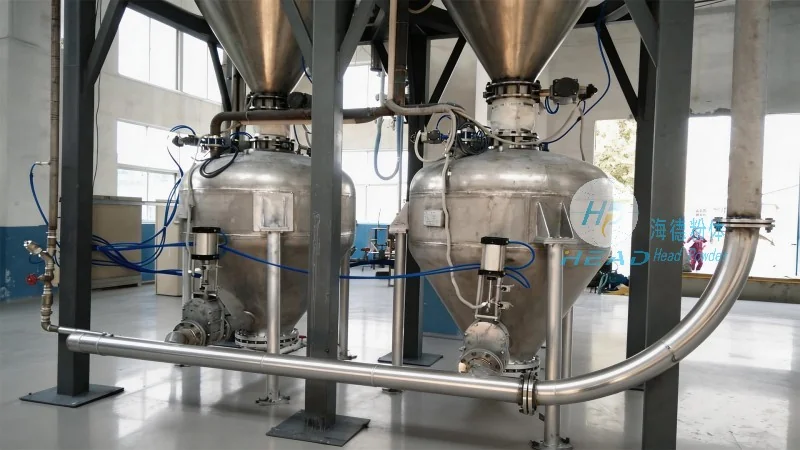
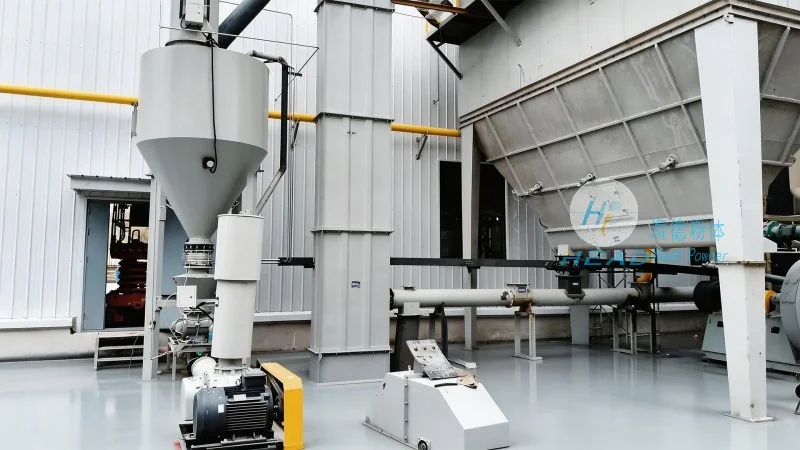
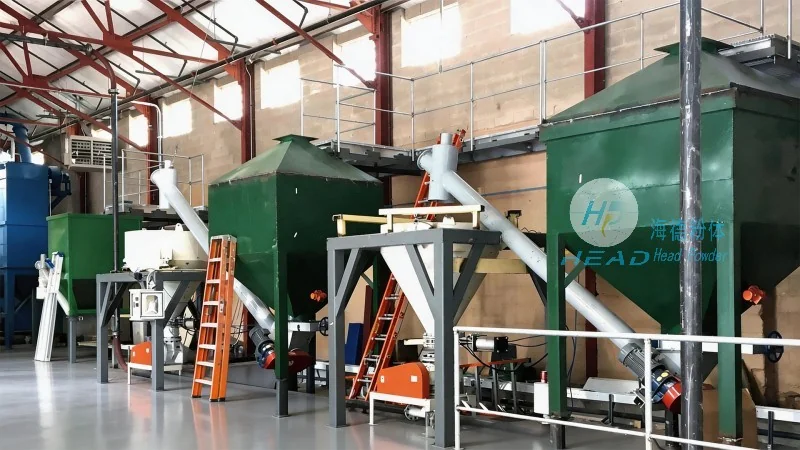
A complete **silicone granule conveying system** is a complex assembly of various components, each playing a vital role in the overall performance. At the heart of the system is the conveying pump, which generates the air pressure required to move the material. Depending on the specific requirements of the project, we utilize rotary lobe pumps, screw conveyors, or pressure vessels designed to withstand the abrasive nature of silicone. These pumps are selected based on their ability to handle high pressures without leaking, ensuring a completely sealed transfer process.
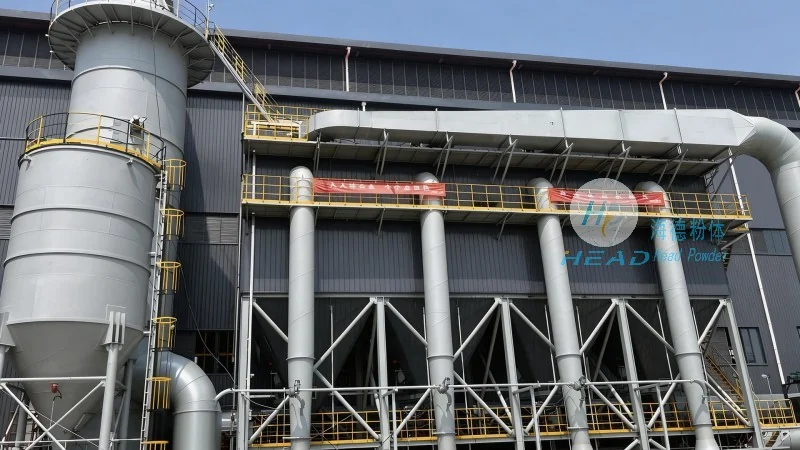
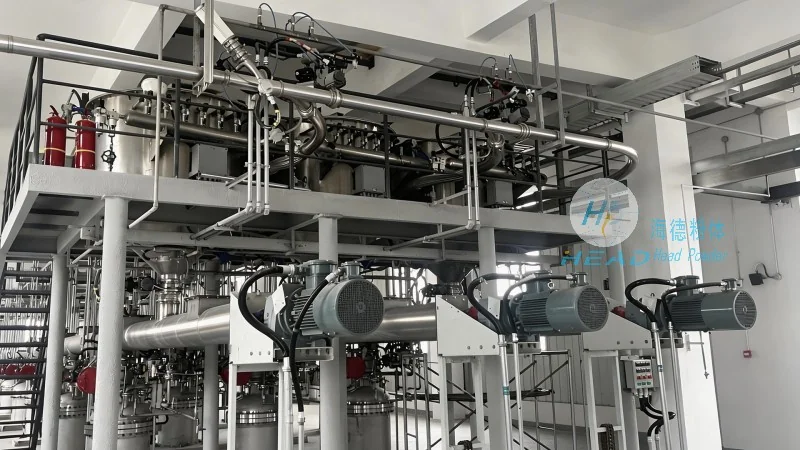
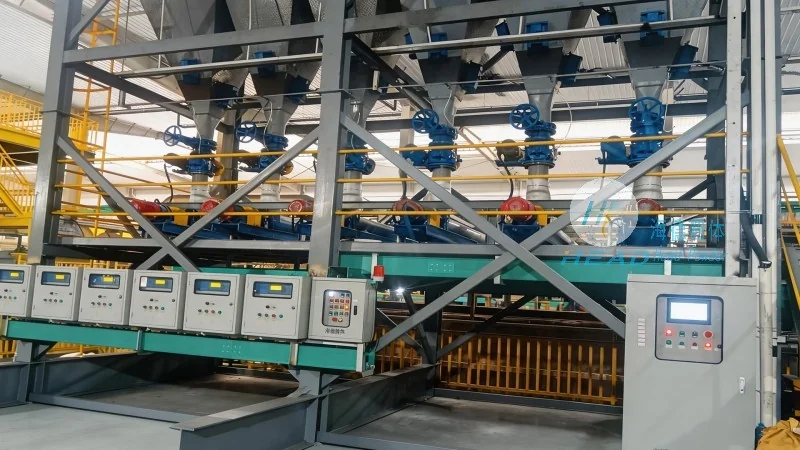
Complementing the pump is the distribution network of pipes and valves. We use high-grade, abrasion-resistant alloys or ceramics to line the interior of the pipes, significantly extending their service life despite the hard nature of silicone granules. The system also includes advanced filtration units and dust collectors to ensure that any air exhausted from the system is clean, meeting strict environmental and occupational safety standards. Furthermore, our systems are equipped with automated control panels that allow operators to monitor pressure, flow rates, and system status in real-time. This level of integration ensures that the **silicone granule conveying system** is not only reliable but also easy to operate and maintain, reducing downtime and labor costs for the client.
Implementing a professional pneumatic conveying system offers numerous operational advantages that directly impact the bottom line of manufacturing and processing facilities. One of the primary benefits is the significant reduction in material loss. In traditional transport methods, a substantial amount of silicone granules can be lost due to spillage or leakage. Our closed-loop pneumatic systems virtually eliminate these losses, ensuring that every gram of raw material is accounted for and utilized. This efficiency translates directly into cost savings for the enterprise.
Additionally, the enclosed nature of pneumatic conveying protects the silicone granules from external contaminants such as dust, dirt, and moisture. This is particularly crucial for industries that require strict traceability and quality control. By maintaining a sterile and controlled environment during transfer, companies can avoid batch rejections and ensure compliance with international food safety and pharmaceutical regulations. The system also occupies less floor space compared to traditional conveyor belts, allowing for more flexible plant layout designs. This space efficiency is invaluable in modern industrial facilities where real estate is at a premium.
Choosing the right partner for material handling infrastructure is as important as choosing the technology itself. Shandong Headpowder Engineering Co., Ltd. has established itself as a leading **silicone granule pneumatic conveying manufacturer** in the industry. Our company is headquartered in Shandong, China, a region known for its robust industrial base and engineering expertise. We pride ourselves on our ability to provide comprehensive solutions that cover everything from initial design and feasibility studies to manufacturing, installation, and after-sales service.
Our commitment to quality is reflected in our rigorous quality control processes and our adherence to international engineering standards. We understand that downtime is costly, which is why we build systems that are built to last. Our team of experienced engineers and technicians works closely with clients to understand their unique pain points and develop solutions that are not only technically superior but also economically viable. As a specialized engineering firm, we focus exclusively on pneumatic conveying technologies, allowing us to stay at the cutting edge of system design and innovation.
Located in Shandong, China, our strategic location allows us to efficiently manage logistics and coordinate with suppliers for the procurement of high-quality components. This central position also facilitates easy access to our clients, whether they are located within China or in international markets. We have successfully completed numerous projects across various sectors, demonstrating our versatility and capability in handling diverse material handling challenges. Our presence in Shandong serves as a testament to our operational capacity and our dedication to serving the global market with reliable, high-performance **silicone granule conveying system** equipment.
For companies looking to upgrade their material handling capabilities or seeking a new **silicone granule pneumatic conveying scheme**, it is essential to consult with experts who can provide tailored advice. Shandong Headpowder Engineering Co., Ltd. is ready to assist you in navigating the complexities of pneumatic conveying technology. Whether you need a detailed system design or a complete turnkey project, our team is equipped to deliver results that exceed expectations.
To discuss your specific requirements and explore how our advanced technology can benefit your operations, please contact our project manager, Mr. Zhang. We encourage you to reach out directly to ensure that your project receives the personalized attention it deserves. You can contact Mr. Zhang via WeChat at 15662777102 to initiate a consultation. We look forward to partnering with you to create a more efficient, clean, and productive production environment.

 Shandong Headpowder Engineering Co., Ltd.
 156-6277-7102(Manager Zhang)
  0531-83386006
  Zhangqiu District, Jinan City, Shandong Province, China
telephone
WeChatconsult
top