

Operation Process and Working Principle of Cement Fly Ash Mineral Powder Pneumatic Conveying System
Shandong HeadPowder Engineering Co., Ltd., headquartered in Shandong, China, specializes in the design, manufacturing, and installation of advanced pneumatic conveying systems tailored for the efficient handling of cement fly ash and various mineral powders. These systems are crucial in industrial applications where reliable, dust-free, and low-energy material transport is required. The following content provides a detailed overview of the operational process and working principles of such systems, emphasizing the technical aspects and practical applications.
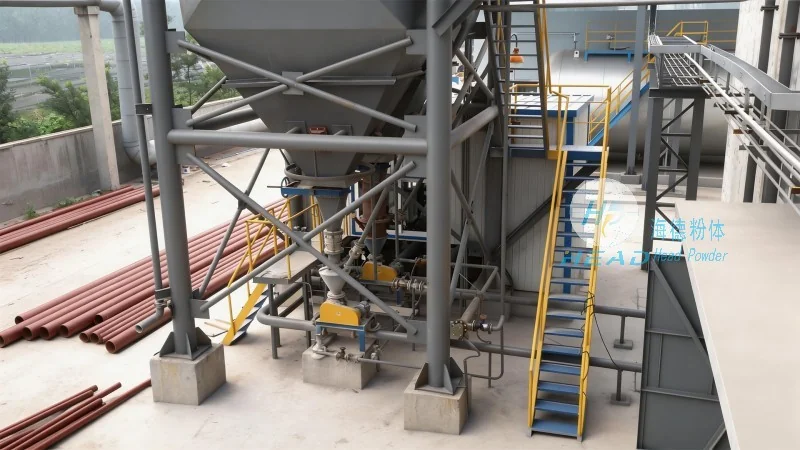
Key Components and Their Roles in the System
The pneumatic conveying system for cement fly ash and mineral powders typically consists of several core components that work in concert to achieve seamless material transport. These components include the material hopper, feeding mechanism, air compressor or blower, conveying pipeline, and discharge unit. Each component plays a vital role in ensuring the system operates efficiently and safely.
The material hopper is designed to store the bulk material, such as cement fly ash or other mineral powders, and provides a consistent feed to the system. It is equipped with a feeding valve or screw feeder that controls the flow rate of the material into the conveying pipeline. The feeding mechanism ensures that the material is introduced into the system at a controlled rate, preventing overloading or blockages in the pipeline.
The air compressor or blower generates the necessary air pressure to move the material particles through the pipeline. The pressure level is adjustable based on the material characteristics, pipeline length, and desired conveying velocity. High-pressure blowers are often used for long-distance or high-capacity applications, while low-pressure systems are suitable for shorter distances or lighter materials.
The conveying pipeline is made of durable materials, such as stainless steel or plastic, to withstand the abrasive nature of cement fly ash and mineral powders. The pipeline is designed with smooth internal surfaces to minimize friction and reduce the risk of material accumulation or blockages. The pipeline layout is carefully planned to ensure the most efficient path from the hopper to the discharge point, minimizing pressure losses and energy consumption.
The discharge unit, or receiver, is where the material is deposited after being conveyed through the pipeline. It is equipped with a discharge valve or outlet that controls the release of the material into the target container or processing equipment. The receiver is designed to handle the material's characteristics, such as dustiness or moisture content, and may include features like dust collection or moisture control to maintain material quality.
The Operational Process: From Material Loading to Discharge
The operation of the pneumatic conveying system for cement fly ash and mineral powders follows a systematic process that ensures continuous and reliable material transport. The process begins with the loading of the material into the hopper. The material is then fed into the conveying pipeline at a controlled rate by the feeding mechanism. Simultaneously, the air compressor or blower generates the required air pressure, which propels the material particles through the pipeline.
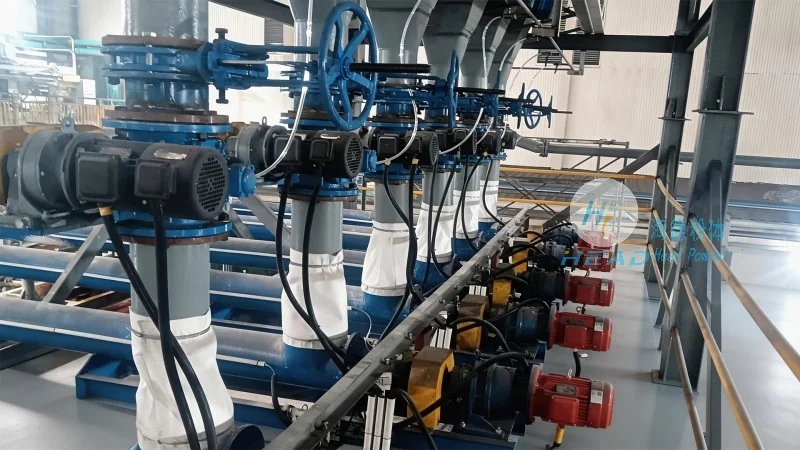
As the material moves through the pipeline, it is suspended in the air stream and transported to the discharge unit. The air velocity in the pipeline is maintained at a level sufficient to keep the material particles in suspension, preventing settling or blockages. The system's control system monitors the pressure, flow rate, and material level, adjusting the air supply and feeding rate as needed to maintain optimal operation.
Upon reaching the discharge unit, the material is released from the air stream and collected in the target container. The discharge process is controlled to prevent spillage or dust emissions, ensuring a clean and efficient transfer. The system may also include a dust collection system to capture any airborne particles, maintaining a safe and healthy working environment.
Working Principles: How Pneumatic Conveying Transports Materials
The working principle of the pneumatic conveying system relies on the fundamental concept of transporting solid particles using an air stream. There are two primary types of pneumatic conveying systems: pressure and vacuum systems. The pressure system, as used in many cement fly ash and mineral powder applications, operates by introducing compressed air into the conveying pipeline, creating a pressure differential that moves the material.
In the pressure system, the air compressor or blower supplies high-pressure air to the pipeline. The material is introduced into the pipeline at the inlet, where it is mixed with the air stream. The air velocity is sufficient to keep the material particles suspended, and the pressure gradient drives the material forward. The system's design ensures that the air and material mixture flows smoothly through the pipeline, with minimal pressure losses.
The vacuum system, on the other hand, operates by creating a negative pressure at the discharge end of the pipeline, drawing the material from the hopper. This type of system is often used for shorter distances or when the material needs to be transported from a higher elevation to a lower one. However, for cement fly ash and mineral powders, the pressure system is more commonly employed due to its higher conveying capacity and efficiency.
The key to efficient pneumatic conveying is maintaining the correct air-to-material ratio. If the air velocity is too low, the material particles will settle and cause blockages. If the air velocity is too high, excessive energy consumption and potential damage to the pipeline may occur. The system's control system continuously adjusts the air supply and feeding rate to maintain the optimal air-to-material ratio, ensuring smooth and reliable operation.
Advantages and Applications of Pneumatic Conveying Systems
Pneumatic conveying systems for cement fly ash and mineral powders offer several advantages over traditional methods like belt conveyors or bucket elevators. These systems provide a dust-free and enclosed transport process, reducing the risk of material contamination and improving workplace safety. The enclosed pipeline design also minimizes environmental impact by preventing dust emissions into the air.

Another significant advantage is the flexibility of the system. The pipeline can be easily reconfigured or extended to accommodate changes in production needs or facility layout. The system can handle a wide range of material characteristics, including different particle sizes, densities, and moisture contents, making it suitable for various industrial applications.
The systems are widely used in the cement industry for transporting fly ash from storage silos to cement mills or other processing equipment. They are also employed in mining and mineral processing industries for handling various mineral powders, such as limestone, gypsum, or silica. Additionally, in the chemical and pharmaceutical industries, pneumatic conveying systems are used for transporting powders that require a controlled and clean environment.
Maintenance and Operational Considerations
To ensure the long-term reliability and efficiency of the pneumatic conveying system, regular maintenance is essential. The system components, such as the air compressor, pipeline, and feeding mechanism, should be inspected and maintained according to the manufacturer's recommendations. Regular cleaning of the pipeline and hopper is necessary to prevent material buildup and blockages, which can reduce system performance and increase energy consumption.
The air compressor or blower should be checked for proper operation, including air pressure and flow rate. Any issues with the compressor, such as excessive noise or vibration, should be addressed promptly to prevent further damage. The feeding mechanism should be adjusted to maintain the correct material flow rate, as variations in feed can affect the system's performance.
The system's control system should be monitored regularly to ensure it is functioning correctly. Any deviations in pressure, flow rate, or material level should be investigated and corrected to maintain optimal operation. Proper training of operators on the system's operation and maintenance is also crucial for ensuring safe and efficient performance.
Conclusion
Shandong HeadPowder Engineering Co., Ltd. provides advanced pneumatic conveying systems that effectively handle cement fly ash and mineral powders, offering a reliable and efficient solution for industrial material transport. The systems operate based on well-established principles of pneumatic conveying, utilizing pressure and air flow to move materials through enclosed pipelines. With proper design, installation, and maintenance, these systems can significantly improve material handling efficiency, reduce operational costs, and enhance workplace safety. The company's expertise in engineering and manufacturing ensures that clients receive tailored solutions that meet their specific application requirements.