With more than 10‑year industry experience, Shandong Headpowder delivers full‑service pneumatic‑conveying systems and blowers, undertaking nationwide turn‑key powder‑handling projects.
HeadPowder, a leading manufacturer in the field of industrial material handling, specializes in the design and production of pneumatic conveying systems tailored for polyamide acid, commonly known as adipic acid. This article delves into the fundamental principles behind the operation of such equipment, providing a comprehensive understanding of how these systems efficiently transport adipic acid in industrial settings.
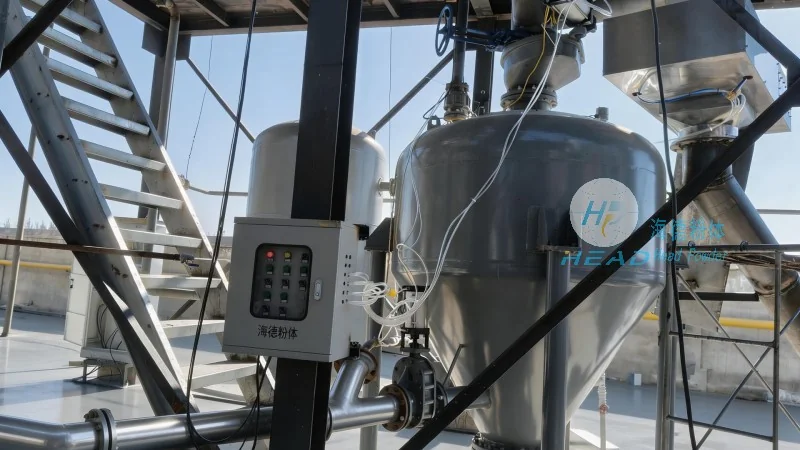
Pneumatic conveying is a method of transporting bulk materials, such as powders and granules, through a pipeline using a gas stream, typically air or other gases. Unlike mechanical conveyors, which rely on physical contact and moving parts, pneumatic systems utilize the force of the gas to move material from one location to another. This approach offers several advantages, including the ability to handle materials that are difficult to transport via traditional methods, such as those with high moisture content or abrasive properties.
Adipic acid, a key raw material in the production of nylon and other polyamides, is a white crystalline powder with specific handling characteristics. Its granular or powdered form requires careful management to prevent caking, agglomeration, or dust-related issues. The material's hygroscopic nature and potential for static charge also necessitate specialized equipment to ensure safe and efficient transport. HeadPowder's pneumatic conveying solutions are engineered to address these challenges, ensuring stable and reliable material flow.
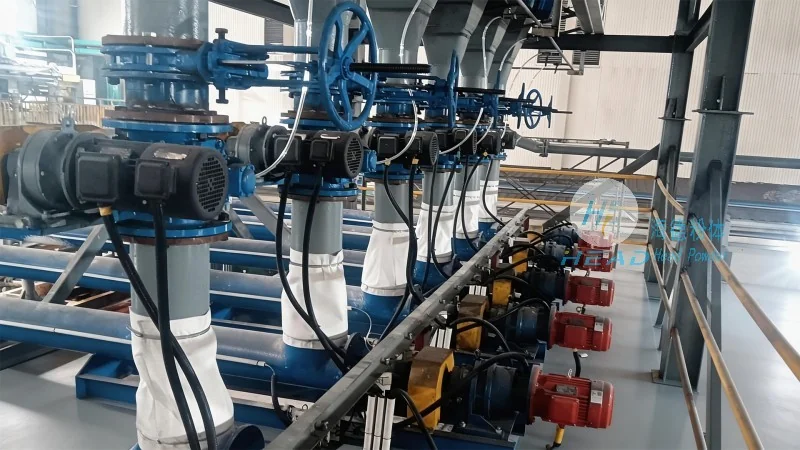
The pneumatic conveying system for adipic acid typically consists of several key components, each playing a critical role in the overall operation. These include the material hopper, which stores the adipic acid; the feeder, responsible for controlling the material discharge rate; the conveying line, which transports the material; and the receiver, where the material is deposited. The system operates by introducing compressed air into the conveying line, creating a pressure differential that propels the adipic acid particles through the pipeline.
When the feeder opens, adipic acid is drawn into the conveying line by the moving air stream. The air velocity is carefully controlled to ensure that the material is fully entrained without causing excessive pressure drops or particle degradation. The system may employ different conveying modes, such as dilute-phase or dense-phase, depending on the specific requirements of the application. Dilute-phase conveying uses higher air velocities to transport material in a suspended state, while dense-phase conveying uses lower velocities to move material in a slurry-like state, which is particularly useful for handling fine powders or sensitive materials.
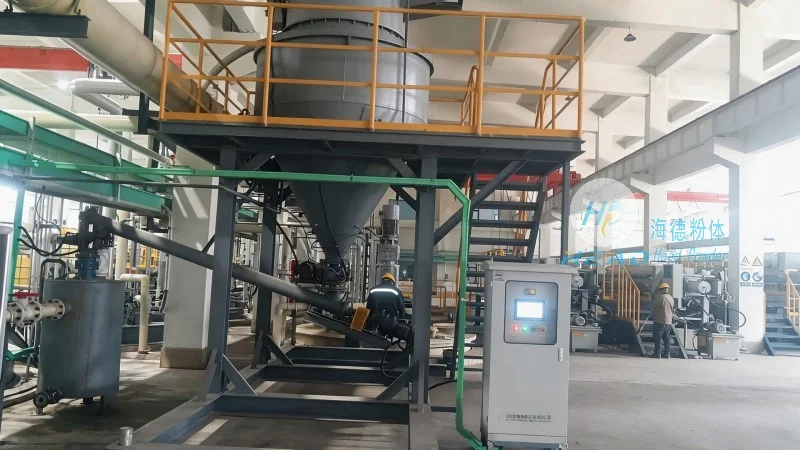
HeadPowder's equipment offers several advantages over traditional conveying methods, making it an ideal choice for adipic acid handling. Firstly, the system minimizes material contact with external surfaces, reducing the risk of contamination and ensuring product purity. Secondly, pneumatic conveying is highly flexible, allowing for changes in material flow rates and destinations without significant modifications to the system. Thirdly, the equipment is compact and can be integrated into existing industrial layouts, saving space and installation costs. Additionally, the system is energy-efficient, with optimized air flow and pressure control reducing operational expenses.
HeadPowder's pneumatic conveying systems are widely used in various industrial applications involving adipic acid. These include the chemical and polymer manufacturing sectors, where adipic acid is used as a precursor in the production of nylon fibers and resins. The equipment is also utilized in pharmaceutical and food processing industries, where the material's purity and handling safety are paramount. In these applications, the system ensures that adipic acid is transported from storage silos to processing units or from production lines to packaging areas with minimal loss and maximum efficiency.
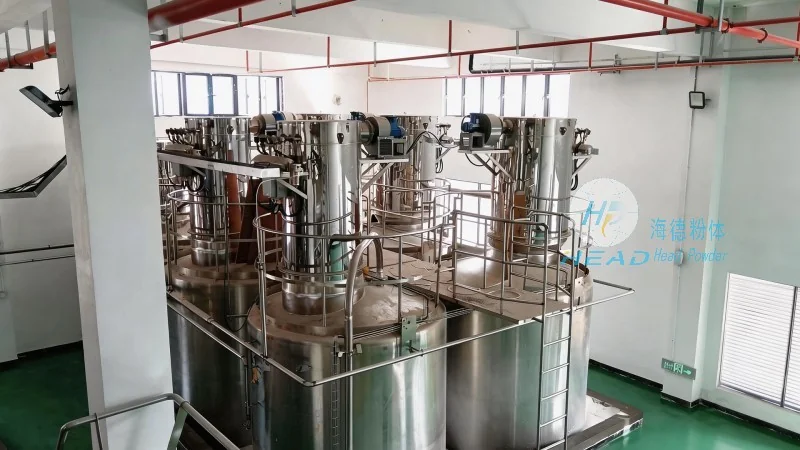
HeadPowder provides customized pneumatic conveying solutions tailored to the specific needs of each client. The company's engineers work closely with customers to assess their material handling requirements, including the volume of adipic acid to be transported, the distance of the conveying line, and the desired flow rate. Based on these assessments, the system design is optimized to ensure reliable operation and minimal maintenance. Technical specifications may include the type of air compressor, the diameter and length of the conveying line, the material of construction for components (such as stainless steel or special alloys to resist corrosion), and the control system for air pressure and flow regulation.
HeadPowder Engineering Co., Ltd., headquartered in Shandong, China, is a reputable manufacturer specializing in industrial material handling equipment, including pneumatic conveying systems for adipic acid. The company's commitment to innovation, quality, and customer satisfaction has established it as a trusted partner in the chemical and polymer industries. By leveraging advanced engineering and manufacturing capabilities, HeadPowder delivers reliable and efficient solutions that meet the stringent requirements of adipic acid handling, ensuring safe, clean, and cost-effective material transport in industrial operations.

 Shandong Headpowder Engineering Co., Ltd.
 156-6277-7102(Manager Zhang)
  0531-83386006
  Zhangqiu District, Jinan City, Shandong Province, China
telephone
WeChatconsult
top