With more than 10‑year industry experience, Shandong Headpowder delivers full‑service pneumatic‑conveying systems and blowers, undertaking nationwide turn‑key powder‑handling projects.
For industries dealing with bulk materials like dust and powders, efficient and reliable material handling is crucial. Among the various methods available, air conveying systems have emerged as a preferred solution due to their versatility and ability to transport materials over long distances with minimal maintenance. This article provides a technical analysis of dust air conveying systems, focusing on the comparison between positive pressure and negative pressure conveying modes. We will explore the fundamental principles, operational characteristics, and practical applications of each system, helping you understand which mode might be best suited for your specific needs.
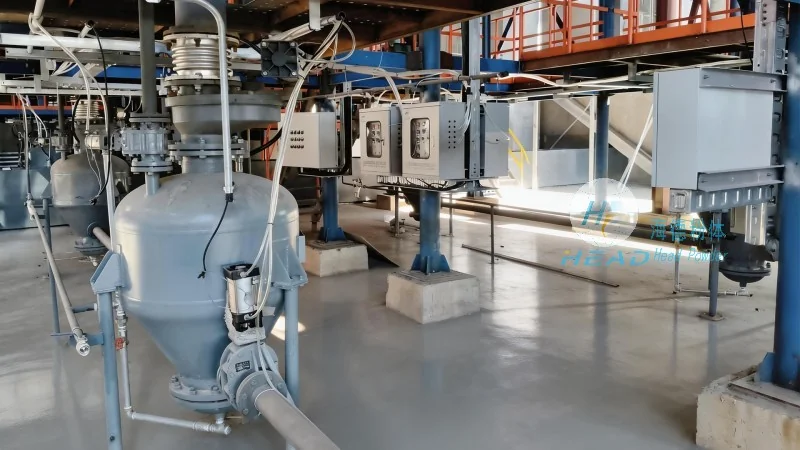
Dust air conveying systems are designed to transport particulate materials such as dust, powders, and granules using a stream of air. These systems are widely used in industries like mining, construction, agriculture, and chemical processing. The primary goal is to move materials from a source to a destination without the need for mechanical components like belts or buckets, which can be prone to wear and tear. The efficiency of an air conveying system depends on several factors, including the type of material, the distance to be covered, and the required flow rate. Two main modes of operation dominate the market: positive pressure and negative pressure systems.
Positive pressure conveying systems operate by blowing air into the material to be transported. The air is typically supplied by a blower or fan located at the inlet of the system. The material is drawn into the air stream and carried to the discharge point. This mode is particularly effective for handling abrasive or corrosive materials, as the air flow helps to prevent material buildup and reduces the risk of clogging. The positive pressure system is also suitable for applications where the material needs to be transported over long distances or through complex piping networks. The blower provides the necessary pressure to overcome the resistance of the material and the system components, ensuring a consistent flow rate.
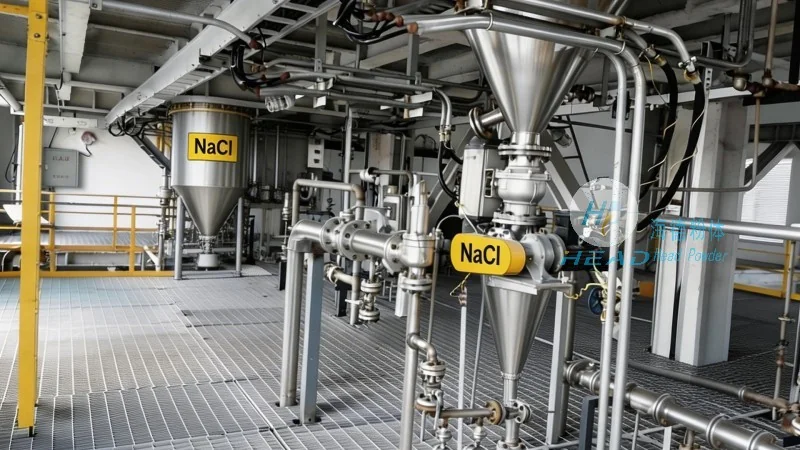
Negative pressure conveying systems, also known as vacuum systems, operate by creating a vacuum at the inlet of the system. The vacuum draws the material into the air stream and transports it to the discharge point. This mode is ideal for applications where the material is to be collected from multiple sources or where the material is light and easily entrained by the air. The vacuum system is often used in environments where dust control is a priority, as the sealed system prevents dust from escaping into the surrounding air. The vacuum pump provides the necessary suction to draw the material into the system, and the flow rate is controlled by adjusting the vacuum level.
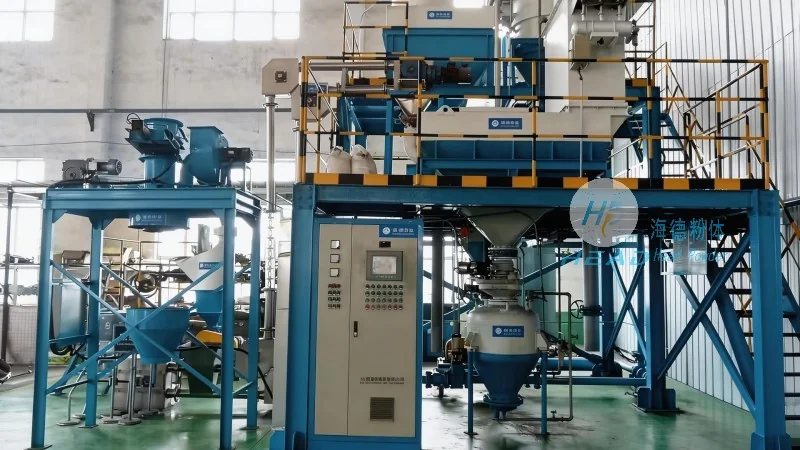
While both positive and negative pressure systems are used for dust air conveying, they differ in several key aspects. The most significant difference is the direction of air flow and the pressure applied. Positive pressure systems use compressed air to push the material, while negative pressure systems use suction to pull the material. This difference affects the system's design, maintenance requirements, and operational costs. Positive pressure systems generally require higher air pressure and more robust components to handle abrasive materials, whereas negative pressure systems are more suitable for light materials and require careful attention to dust collection and filtration.
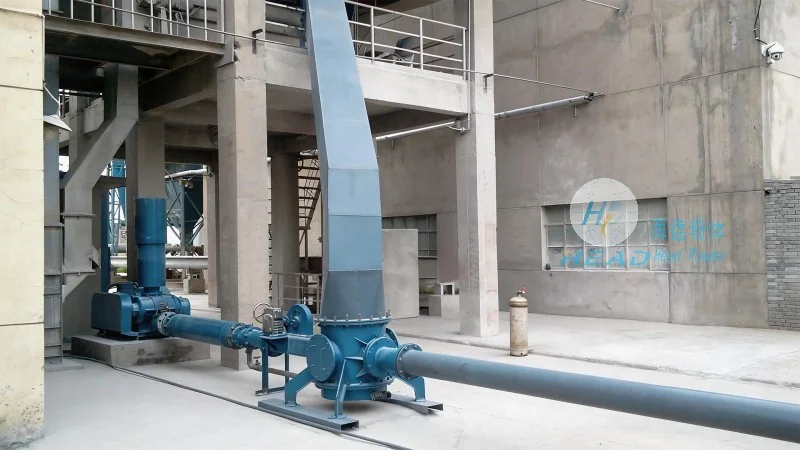
The choice between positive and negative pressure conveying modes depends on the specific application and material characteristics. For example, in mining operations where large quantities of ore dust need to be transported over long distances, a positive pressure system might be preferred due to its ability to handle high flow rates and abrasive materials. In contrast, in a pharmaceutical or food processing facility where dust control is critical, a negative pressure system might be more appropriate to ensure a clean and safe environment. Other factors to consider include the system's energy efficiency, the cost of maintenance, and the availability of space for installation. Positive pressure systems may require more space for the blower and piping, while negative pressure systems can be more compact but may need additional filtration to prevent dust from escaping.
In conclusion, both positive pressure and negative pressure dust air conveying systems offer effective solutions for material handling. The choice between the two modes depends on the specific requirements of the application, including the material type, distance, and environmental considerations. By understanding the technical differences and operational characteristics of each system, you can select the most suitable option for your needs. Whether you choose a positive pressure or negative pressure system, the key is to ensure that the system is properly designed, installed, and maintained to achieve optimal performance and longevity. For more information on dust air conveying systems and how they can benefit your operations, contact Shandong HeadPowder Engineering Co., Ltd., a leading provider of engineering solutions for material handling.

 Shandong Headpowder Engineering Co., Ltd.
 156-6277-7102(Manager Zhang)
  0531-83386006
  Zhangqiu District, Jinan City, Shandong Province, China
telephone
WeChatconsult
top