With more than 10‑year industry experience, Shandong Headpowder delivers full‑service pneumatic‑conveying systems and blowers, undertaking nationwide turn‑key powder‑handling projects.
In the complex landscape of modern industrial processing, the efficient handling of powdered materials remains a critical challenge for manufacturers. Among these materials, rubber and plastic additives—essential components in the production of resilient polymers and synthetic materials—present unique difficulties. These fine powders often exhibit poor flow characteristics, leading to operational bottlenecks that can halt production lines and increase maintenance costs. A prominent example of overcoming these hurdles is the successful implementation of a pneumatic conveying solution in Krakow, Poland. This project highlights the necessity of specialized engineering to manage bulk powders effectively, ensuring continuity and safety in industrial operations.
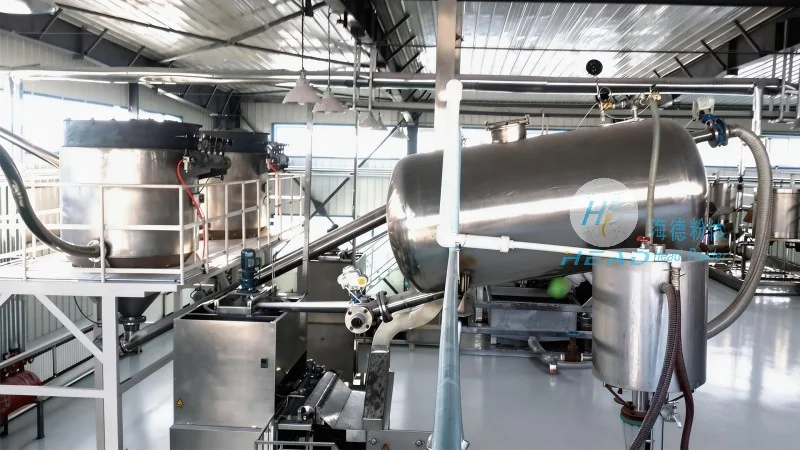
Rubber and plastic additives are typically characterized by their fine particle size and specific chemical properties. When these powders are transferred from storage silos to processing equipment, they often encounter significant resistance. The primary issue in this context is the phenomenon known as bridging, where the powder forms an arch or a crust within the hopper or transfer point. This bridging prevents the material from flowing freely, causing blockages that disrupt the entire manufacturing workflow. Traditional mechanical conveyors, such as screw conveyors or vibratory feeders, often struggle with these cohesive powders, leading to excessive wear, high energy consumption, and frequent downtime. Consequently, industries require a more sophisticated approach to material handling that can guarantee consistent flow without physical intervention.
To address these persistent industrial challenges, Shandong Headpowder Engineering Co., Ltd. has established itself as a leader in the field of bulk material handling. Based in Shandong, China, the company specializes in designing and manufacturing advanced pneumatic conveying systems tailored to the specific needs of various industries. Their expertise lies in understanding the rheological properties of powders and engineering solutions that mitigate flow issues. By leveraging cutting-edge technology and deep industry knowledge, Headpowder provides systems that are not only efficient but also reliable. Their portfolio includes a wide range of solutions designed to handle everything from free-flowing grains to cohesive, sticky powders, ensuring that every client receives a customized approach to their material handling needs.
The cornerstone of the solution implemented in the Krakow project is the specialized anti-bridging pneumatic conveying system. Unlike standard pneumatic systems, this technology is engineered to actively disrupt the formation of material arches and plugs within the transfer lines. The system utilizes precise pressure differentials and controlled airflows to keep the powder particles in constant motion. This dynamic movement prevents the particles from settling into positions that would cause bridging. Furthermore, the system incorporates advanced sensors and control logic that monitor the material flow in real-time. If a slight deviation or blockage is detected, the system automatically adjusts the air pressure and flow rate to restore continuity. This proactive approach ensures that the transfer process remains uninterrupted, significantly reducing the risk of costly stoppages.
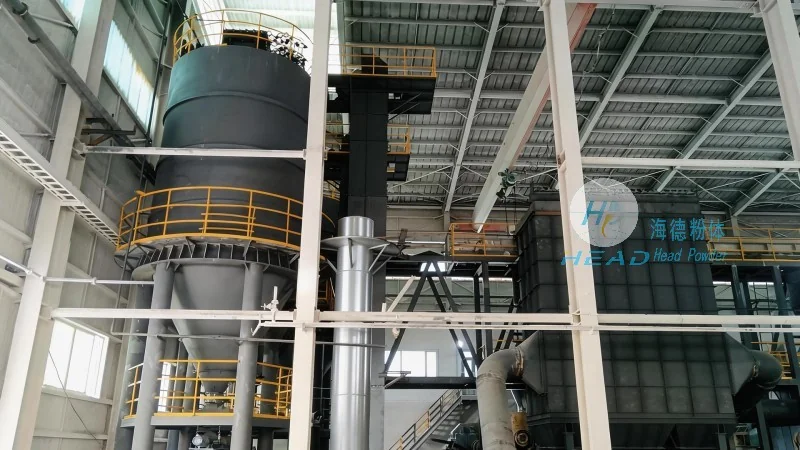
The successful deployment of this technology in Krakow, Poland, serves as a testament to the efficacy of Headpowder's engineering capabilities. This European market is known for its stringent quality and safety standards, making it a rigorous testing ground for industrial equipment. The project involved the installation of a comprehensive system designed to transport rubber and plastic additives across a large facility. The challenge was to maintain high throughput rates while adhering to strict environmental and safety regulations. The Headpowder team meticulously planned the layout, selecting the optimal pipe diameters and air velocities to match the specific characteristics of the additives being transported. The result was a seamless integration into the client's existing infrastructure, demonstrating the versatility and adaptability of their pneumatic conveying case studies.
One of the standout features of the Krakow project is its strict adherence to European pneumatic conveying standards. Europe has some of the most rigorous guidelines in the world regarding industrial safety, dust explosion prevention, and energy efficiency. The system installed by Headpowder was designed to meet these exacting requirements from the ground up. Key components were selected for their durability and compliance with European directives, ensuring that the equipment would operate safely in diverse environments. The design included explosion-proof electrical components, appropriate venting systems for pressure build-up, and energy recovery mechanisms to minimize power consumption. This commitment to quality and safety ensures that the system not only performs efficiently but also provides a safe working environment for operators, aligning perfectly with the high expectations of European industrial clients.

The implementation of the Headpowder system in Krakow delivered tangible benefits to the client. By eliminating the issue of material bridging, the facility experienced a dramatic increase in operational uptime. The continuous flow of rubber and plastic additives meant that production lines could run at full capacity without the frequent interruptions associated with manual cleaning and blockage removal. Additionally, the pneumatic conveying method is inherently cleaner than mechanical alternatives. Since the system is fully enclosed, there is minimal dust generation, which reduces the risk of fire and improves air quality in the plant. This clean operation also reduces the contamination of the valuable additives, preserving their quality and ensuring the final plastic products meet the highest standards. The energy efficiency of the system also contributed to lower operating costs, providing a rapid return on investment for the client.
The success of the Krakow project underscores Headpowder Engineering Co., Ltd.'s ability to deliver high-quality engineering solutions on a global scale. Despite being based in Shandong, China, the company has successfully penetrated international markets, including Europe, by focusing on technical excellence and customer satisfaction. The project in Poland is a prime example of how international engineering companies can bridge the gap between advanced manufacturing capabilities and local market requirements. The team worked closely with local stakeholders to understand the specific operational nuances of the Polish facility, ensuring that the final solution was not only technically superior but also culturally and operationally compatible. This global perspective allows Headpowder to offer solutions that are at the forefront of industry trends while remaining grounded in practical, on-the-ground application.
Efficient material handling is the backbone of modern manufacturing, and the challenges posed by rubber and plastic additives require specialized solutions. The case of the pneumatic conveying system in Krakow, Poland, illustrates the profound impact of advanced technology in solving complex industrial problems. By utilizing anti-bridging pneumatic conveying techniques and adhering to European pneumatic conveying standards, Shandong Headpowder Engineering Co., Ltd. has provided a robust solution that enhances efficiency, safety, and productivity. For industries facing similar challenges with powder handling, the expertise provided by Headpowder offers a reliable pathway to operational excellence. To discuss how these specialized systems can benefit your operations, please contact our team. You may reach out to Manager Zhang for detailed consultation and support. We look forward to assisting you in optimizing your pneumatic conveying processes.

 Shandong Headpowder Engineering Co., Ltd.
 156-6277-7102(Manager Zhang)
  0531-83386006
  Zhangqiu District, Jinan City, Shandong Province, China
telephone
WeChatconsult
top