With more than 10‑year industry experience, Shandong Headpowder delivers full‑service pneumatic‑conveying systems and blowers, undertaking nationwide turn‑key powder‑handling projects.
At Shandong HeadPowder Engineering Co., Ltd., we specialize in the design, manufacturing, and implementation of advanced pneumatic conveying systems tailored for handling zinc powder. This article delves into the operational process and underlying principles of such systems, providing a comprehensive overview for professionals in the material handling industry.
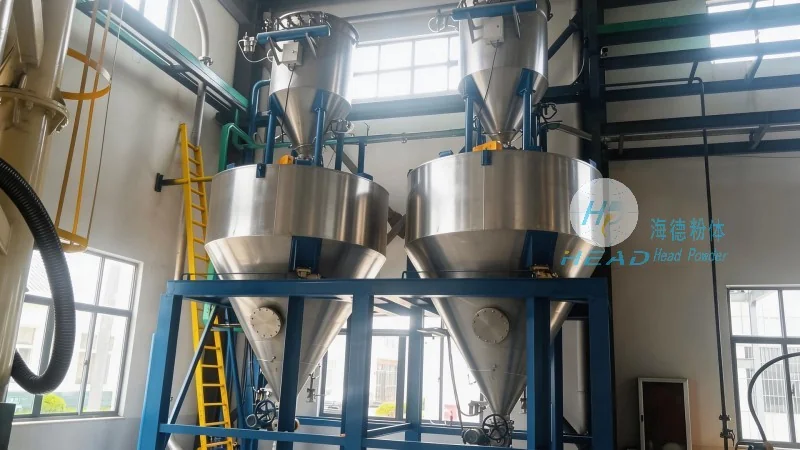
The core components of a zinc powder pneumatic conveying line include the hopper, feeder, air compressor, pipeline network, and discharge unit. Each component plays a critical role in ensuring efficient and reliable material transport. The hopper stores the zinc powder, while the feeder regulates the flow rate to maintain consistent pressure and flow within the system. The air compressor generates the necessary air pressure to move the powder through the pipeline. The pipeline network, typically made of stainless steel or other corrosion-resistant materials, is designed to withstand the abrasive nature of zinc powder and prevent material buildup. The discharge unit, often a rotary valve or a dust collector, ensures the powder is released safely and efficiently at the destination.
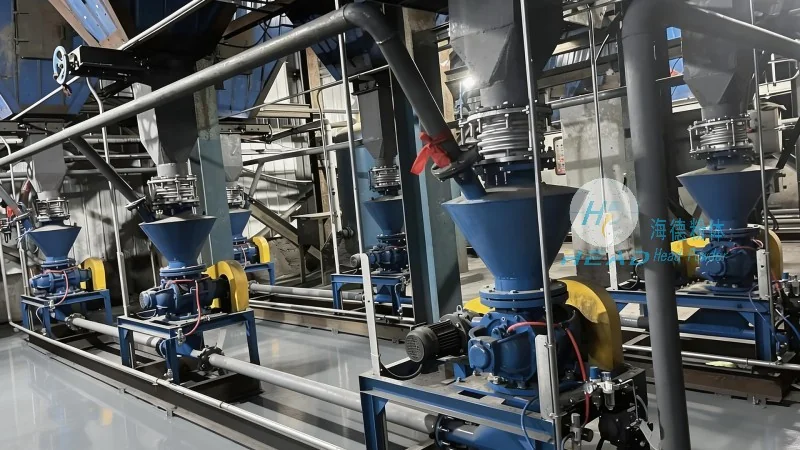
The operation of a zinc powder pneumatic conveying line begins with the loading of zinc powder into the hopper. The feeder then controls the powder feed rate, ensuring a steady supply to the system. The air compressor starts, generating high-pressure air that is introduced into the pipeline. As the air flows through the pipeline, it creates a negative pressure or positive pressure environment, depending on the system design, to pull or push the zinc powder along with it. The powder particles are suspended in the air stream and transported to the discharge point. The system continuously monitors pressure, flow rate, and other parameters to maintain optimal performance. Any deviations are automatically adjusted by the control system to prevent system failure or material loss.
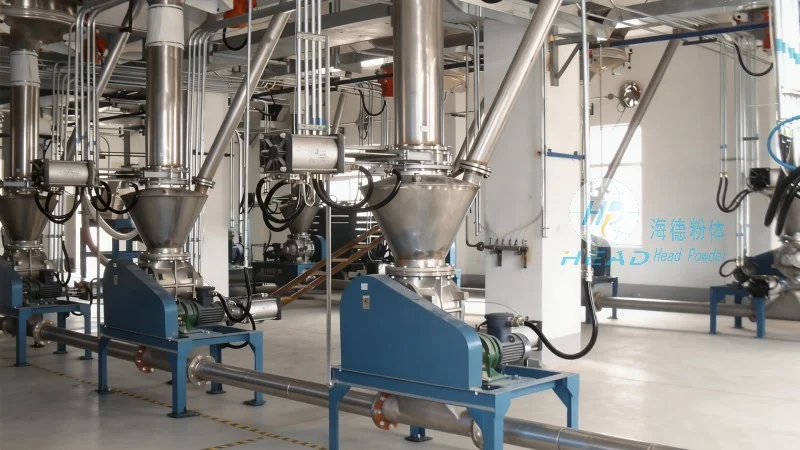
The working principle of a pneumatic conveying system for zinc powder relies on the physics of fluid dynamics and particle suspension. When air is introduced into the pipeline at a sufficient velocity, it creates a drag force on the zinc powder particles. This drag force overcomes the gravitational force acting on the particles, allowing them to be suspended in the air stream. The key to efficient conveying is maintaining the air velocity above the minimum conveying velocity, which is the minimum velocity required to keep the particles suspended and prevent them from settling out of the air stream. The system uses a combination of positive and negative pressure zones to move the powder, with positive pressure systems typically used for short-distance conveying and negative pressure systems for longer distances or to prevent dust emissions.
Compared to traditional mechanical conveying methods, pneumatic conveying offers several advantages for zinc powder handling. It eliminates the need for moving parts in the conveying line, reducing maintenance requirements and the risk of mechanical failure. The system is also highly flexible, allowing for changes in the conveying route or destination without major modifications. Additionally, pneumatic conveying can handle a wide range of particle sizes and moisture contents, making it suitable for various zinc powder applications. The enclosed pipeline design prevents dust emissions, improving workplace safety and environmental compliance. The system also allows for precise control over the powder flow rate, ensuring consistent quality in downstream processes.
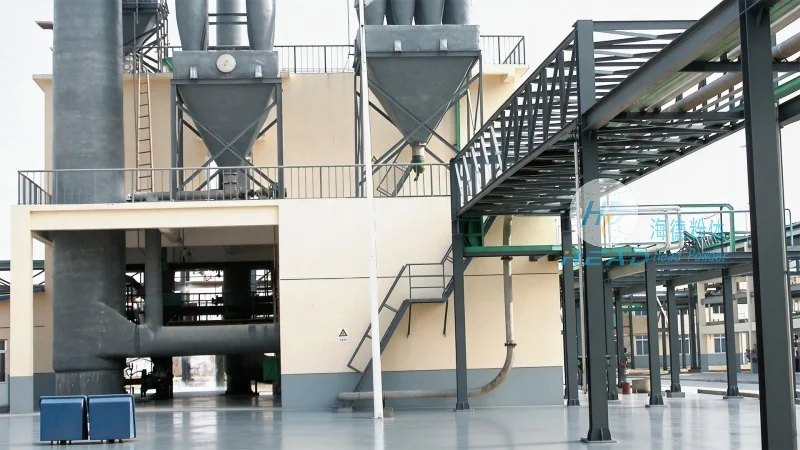
Proper maintenance is crucial for the long-term performance and reliability of a zinc powder pneumatic conveying line. Regular cleaning of the pipeline and hopper is necessary to prevent material buildup and blockages. The air compressor and control system should be inspected regularly to ensure they are operating within optimal parameters. Filters and separators are used to remove any debris or moisture from the air stream, preventing damage to the system components. The system should also be equipped with safety features, such as pressure relief valves and emergency shut-off mechanisms, to prevent accidents and ensure operator safety. Proper training of operators on the system's operation and maintenance is essential to maximize its lifespan and efficiency.

 Shandong Headpowder Engineering Co., Ltd.
 156-6277-7102(Manager Zhang)
  0531-83386006
  Zhangqiu District, Jinan City, Shandong Province, China
telephone
WeChatconsult
top