

Common Methods for Recycled Sand Conveying
Recycled sand, also known as reclaimed sand, is a vital material in construction and manufacturing sectors. Its efficient transportation is crucial for maintaining production efficiency and reducing material waste. This article explores common methods for recycled sand conveying, highlighting key approaches and their applications.
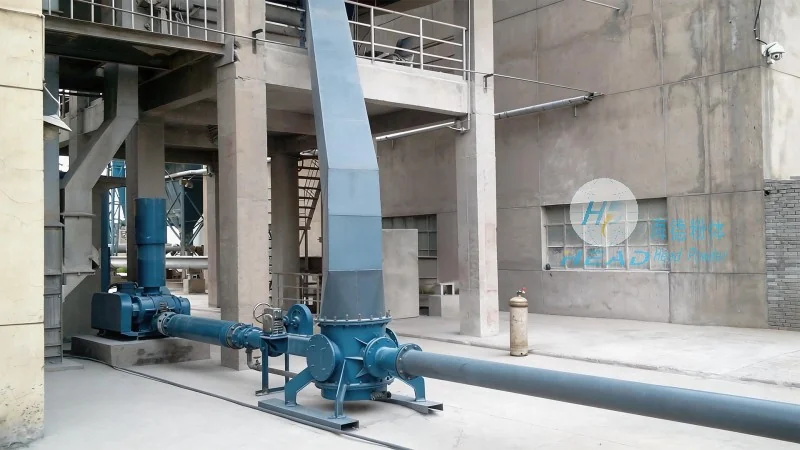
Introduction to Recycled Sand Conveying
Recycled sand is produced by reprocessing construction waste, demolition debris, or industrial byproducts, serving as a sustainable alternative to virgin sand. Effective transportation requires specialized equipment and systems designed to handle its unique properties, such as varying particle sizes, moisture content, and potential contaminants. Proper conveying methods enhance operational efficiency while supporting environmental sustainability by minimizing new raw material demand.
Common Conveying Methods for Recycled Sand
Several methods are widely used for transporting recycled sand, with advantages and applications depending on volume, distance, and sand characteristics. Below are key approaches:
Screw Conveyors for Recycled Sand
Screw conveyors, or auger conveyors, are among the most common equipment for recycled sand transportation. These systems feature a rotating helical screw blade enclosed in a U-shaped or tubular housing. As the screw rotates, it pushes sand forward, suitable for horizontal or slight incline conveying. Screw conveyors excel with dry or moderately moist recycled sand, maintaining consistent flow without complex mechanisms. They are popular in recycling plants, construction sites, and manufacturing facilities due to simplicity, low maintenance, and ability to handle diverse particle sizes.
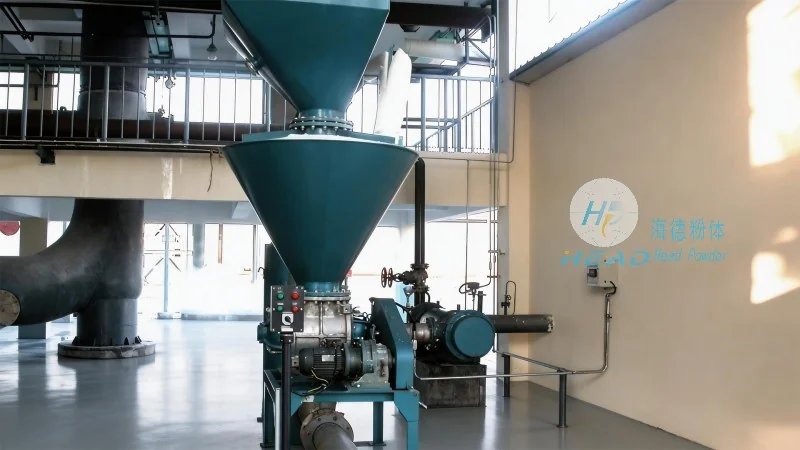
Air-Powered Pneumatic Conveying Systems
Pneumatic conveying systems use compressed air to transport recycled sand in closed pipelines. Ideal for long-distance or high-volume conveying, they move material over significant distances without multiple transfer points. Two main types exist: positive displacement (using a pump to push sand) and pressure-assisted (relying on air pressure). Pneumatic systems are effective for fine or dusty sand, preventing degradation and dust emissions. However, they require careful air pressure and flow rate control for reliable operation.
Belt Conveyors for Bulk Recycled Sand
Belt conveyors are another popular method for large-volume recycled sand transport. These systems consist of a continuous loop of belt supported by rollers, moving sand placed on the belt via roller rotation. Belt conveyors are efficient for horizontal or slight incline long-distance conveying, suitable for large-scale recycling operations. They handle diverse materials, including wet or sticky sand, with special belt coatings or cleats for traction. Often integrated with feeders or elevators, they form comprehensive material handling systems.
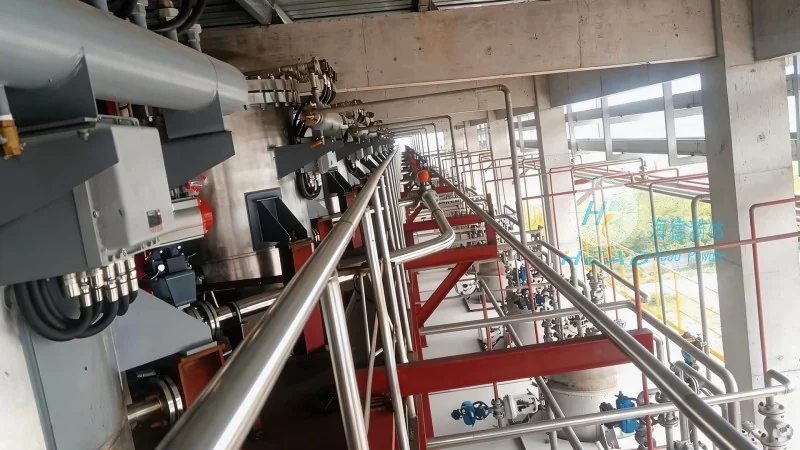
Hydraulic Conveying Systems
Hydraulic conveying systems use water or liquids to transport recycled sand through pipelines. Effective for wet or slurry-like sand, the liquid maintains consistent flow and prevents clogging. Common in recycling plants processing wet construction waste, where sand is mixed with water to form a slurry. Advantages include high volume handling over long distances with low energy consumption. Requires maintenance to prevent corrosion and blockages, and system design must accommodate sand properties like viscosity and particle size.
Selection of Conveying Method for Recycled Sand
The choice of conveying method depends on factors like material volume, distance, sand characteristics, and budget. Short distances and moderate volumes favor screw conveyors for cost-effectiveness. Long-distance or high-volume needs may use pneumatic or hydraulic systems. Belt conveyors suit large-scale operations where efficiency and capacity are critical. It is essential to evaluate application requirements and consult equipment manufacturers to select the optimal system.
Conclusion
Efficient recycled sand conveying is vital for production efficiency and sustainability in construction and manufacturing. The methods discussed—screw conveyors, pneumatic systems, belt conveyors, and hydraulic systems—offer unique advantages for different applications. By selecting the right method based on operational needs, companies improve material handling, reduce costs, and advance sustainability. Shandong HeadPowder Engineering Co., Ltd., a leading material handling solutions provider, specializes in designing and manufacturing customized conveying systems for recycled sand and bulk materials. With years of industry experience, HeadPowder offers innovative solutions tailored to each project's unique requirements, ensuring optimal performance and reliability. Headquartered in Shandong, China, HeadPowder serves global clients, providing high-quality equipment and technical support to help achieve sustainability and operational goals.