With more than 10‑year industry experience, Shandong Headpowder delivers full‑service pneumatic‑conveying systems and blowers, undertaking nationwide turn‑key powder‑handling projects.
Ammonium chloride granules pneumatic conveying solution is a critical component in modern industrial material handling, specifically designed to address the unique challenges associated with transporting this hygroscopic and crystalline chemical substance. In chemical processing plants and fertilizer manufacturing facilities, the demand for reliable, continuous, and dust-free transfer of materials is paramount. Traditional mechanical conveying methods, such as belt conveyors or bucket elevators, often struggle with the specific properties of ammonium chloride, including its tendency to absorb moisture and its susceptibility to clogging or attrition. Pneumatic conveying systems offer a superior alternative by utilizing air pressure to move materials through a closed pipeline system, ensuring that the integrity of the granules is maintained while eliminating dust emissions and operator exposure to hazardous powders. This method represents a significant leap forward in process automation, providing a streamlined workflow that integrates seamlessly into existing production lines.
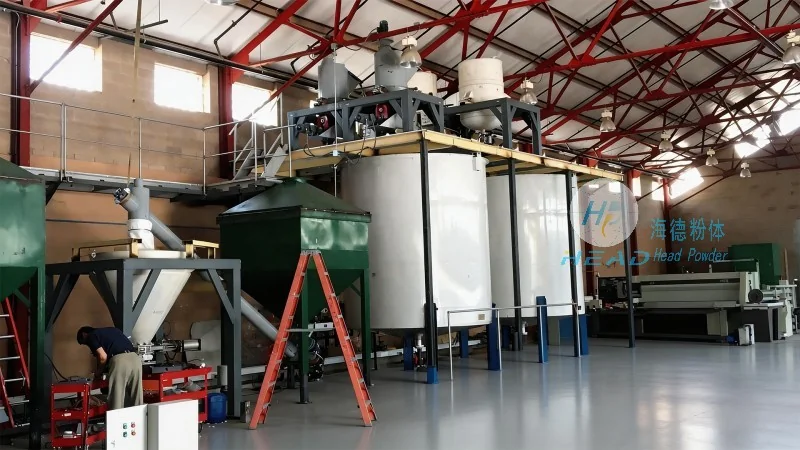
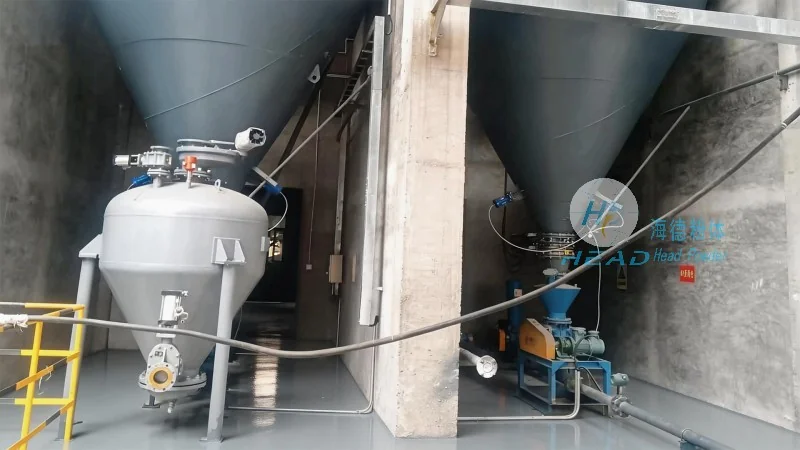
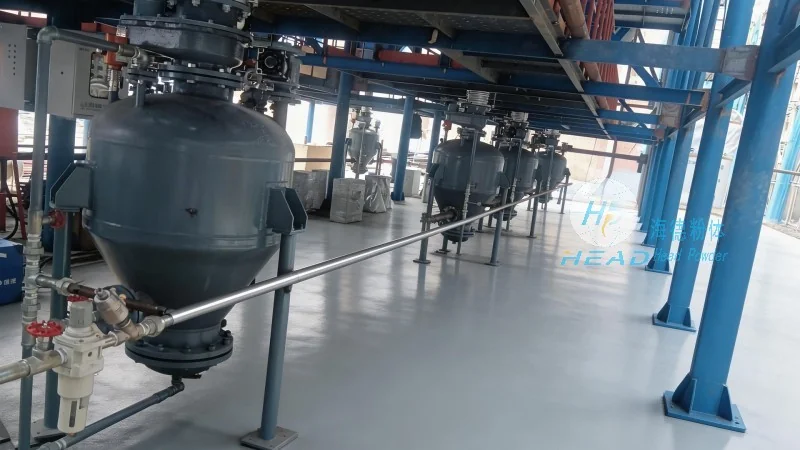
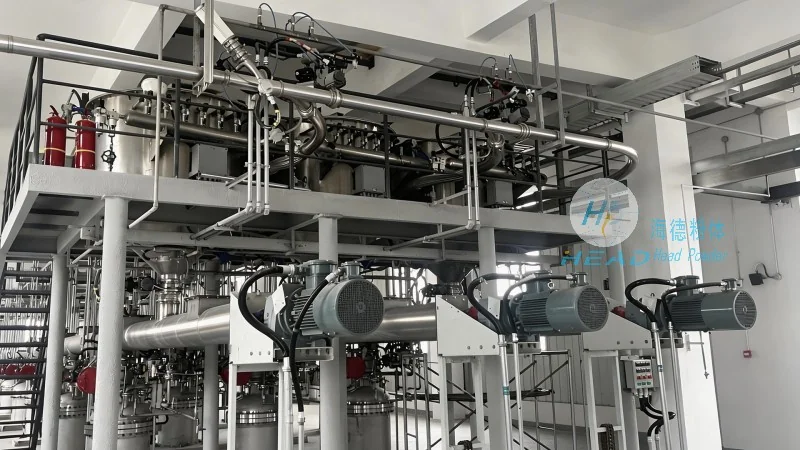
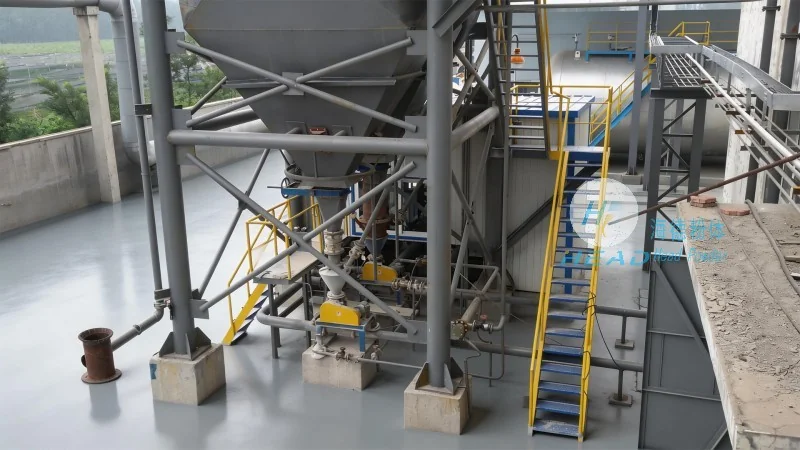
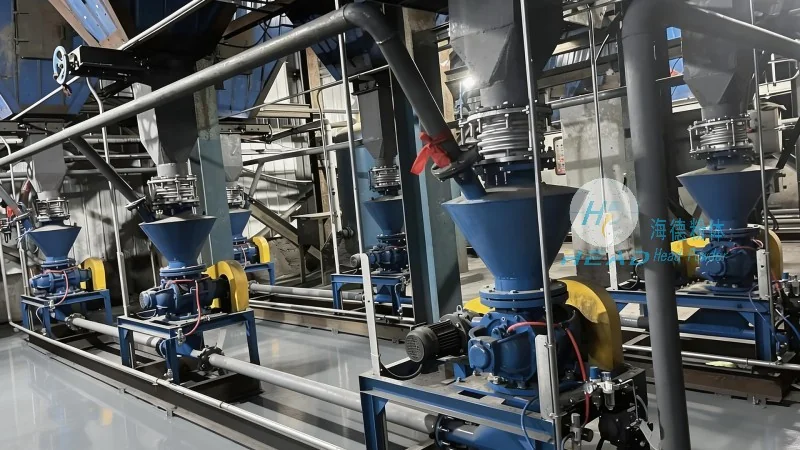
A well-engineered ammonium chloride granules conveying system equipment operates on the principle of fluidization and air transport, utilizing either positive pressure or negative pressure to drive the material flow. For granular materials like ammonium chloride, a dilute-phase or dense-phase system is typically selected based on the distance and volume requirements of the facility. The system comprises several key components, including a high-pressure air compressor, a feeding device (such as a rotary valve or screw feeder), the conveying pipeline network, and a receiving hopper with a discharge valve. The process begins when the feeding device injects the granules into the pipeline, where a controlled stream of air carries the material to its destination. This method not only minimizes the physical degradation of the granules but also allows for long-distance transport, often exceeding hundreds of meters, without the need for intermediate transfer points. By maintaining a sealed environment, the system effectively prevents the ingress of moisture, which is a common issue with ammonium chloride, thereby preserving the chemical's quality and preventing clumping.
Every industrial facility has distinct spatial constraints, production capacities, and material handling requirements, making a one-size-fits-all approach ineffective. This is where the importance of a specialized ammonium chloride granules pneumatic conveying solution comes into play. A generic system may fail to account for factors such as the specific viscosity of the material, the layout of the plant, or the need for multiple discharge points. Professional engineering firms focus on creating bespoke configurations that optimize energy efficiency and operational reliability. A customized solution involves a thorough analysis of the client's process flow, ensuring that the system aligns perfectly with their production goals. Whether the requirement is for a vertical lift, a horizontal run with bends, or a complex loop system, the design must be precise to avoid blockages and ensure smooth operation. By investing in a tailored system, manufacturers can significantly reduce downtime and maintenance costs associated with troubleshooting incompatible equipment.
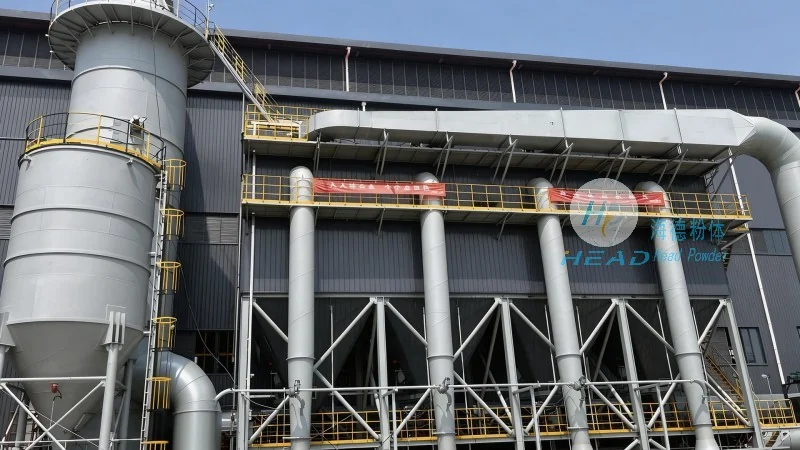
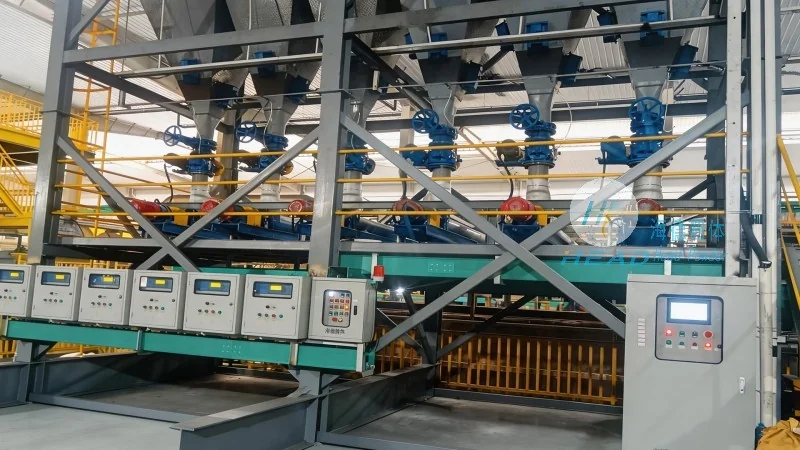
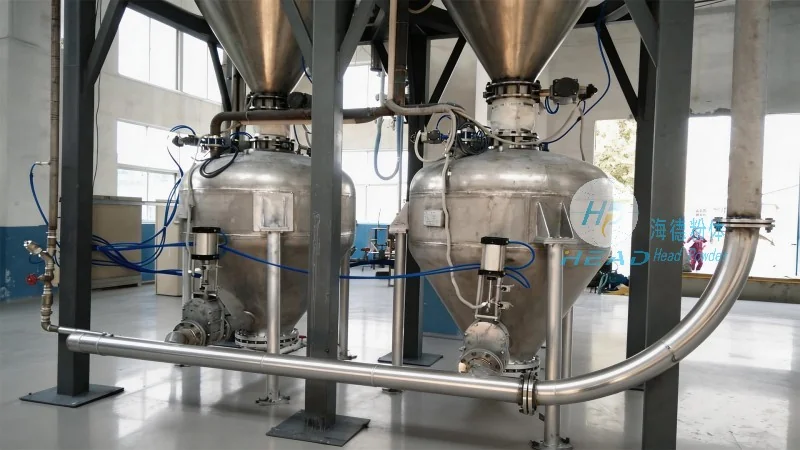
The reliability of any ammonium chloride granules conveying system equipment hinges on the quality of its components and the safety protocols integrated into the design. High-grade materials, typically stainless steel, are used in the construction of pipes, valves, and hoppers to resist corrosion and withstand the chemical nature of the product. Key safety features include explosion-proof motors, pressure relief valves, and advanced filtration systems to capture any particulate matter before it is released into the atmosphere. Furthermore, the system is designed with user-friendly controls, allowing operators to monitor flow rates, pressure levels, and system status in real-time. Automated controls can adjust air pressure dynamically to accommodate variations in material density, ensuring consistent throughput. This level of sophistication ensures that the system not only meets industry safety standards but also provides a robust solution for high-volume production environments.
Shandong Headpowder Engineering Co., Ltd. has established itself as a leading entity in the field of powder and granule handling technology. Based in Shandong, China, the company specializes in the research, development, and manufacturing of advanced pneumatic conveying systems. With a strong commitment to innovation and quality, Shandong Headpowder Engineering Co., Ltd. provides comprehensive support from the initial consultation and design phase through to installation, commissioning, and after-sales service. The company's expertise lies in understanding the nuances of chemical material transport and delivering systems that enhance production efficiency while adhering to strict environmental and safety regulations. Their portfolio includes a wide range of equipment suitable for various industries, ensuring that clients receive solutions that are both technically superior and economically viable.
For facilities seeking to upgrade their material handling capabilities or require a new installation, direct consultation with industry experts is the best course of action. Shandong Headpowder Engineering Co., Ltd. is dedicated to assisting clients in finding the optimal ammonium chloride granules pneumatic conveying solution tailored to their specific needs. To discuss project requirements or obtain a detailed quote, interested parties are encouraged to contact the company's project manager. Manager Zhang is available to provide expert guidance and answer any technical inquiries. You may reach the team via WeChat at 15662777102 to initiate a professional discussion regarding your conveying system requirements.

 Shandong Headpowder Engineering Co., Ltd.
 156-6277-7102(Manager Zhang)
  0531-83386006
  Zhangqiu District, Jinan City, Shandong Province, China
telephone
WeChatconsult
top