With more than 10‑year industry experience, Shandong Headpowder delivers full‑service pneumatic‑conveying systems and blowers, undertaking nationwide turn‑key powder‑handling projects.
PTA (Polyethylene Terephthalate Acid) is a critical raw material in the production of polyester fibers and resins. The efficient transportation of PTA from storage to processing units is essential for maintaining production efficiency and minimizing operational downtime. PTA pneumatic conveying lines are specialized systems designed to handle this material safely and effectively. This article explores the operation process and working principle of such systems, highlighting key components, operational steps, and the role of Shandong HeadPowder Engineering Co., Ltd. as a leading provider in the field.
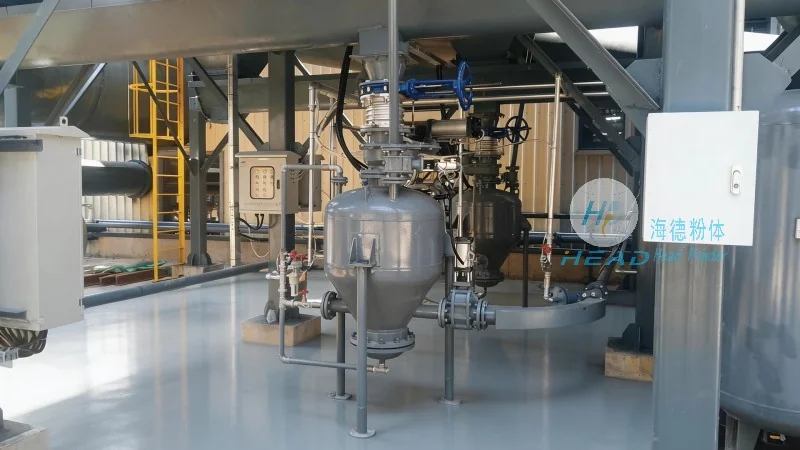
Pneumatic conveying systems for PTA utilize the principle of transporting solid particles (in this case, PTA pellets or flakes) through a pipeline using a gas stream, typically air or a mixture of air and other gases. These systems are engineered to handle the specific characteristics of PTA, such as its density, flowability, and potential for dust generation. The design of the system must consider factors like material handling capacity, transport distance, and the need for dust control and environmental compliance.
The PTA pneumatic conveying line typically consists of several critical components that work in tandem to ensure smooth operation. These include:
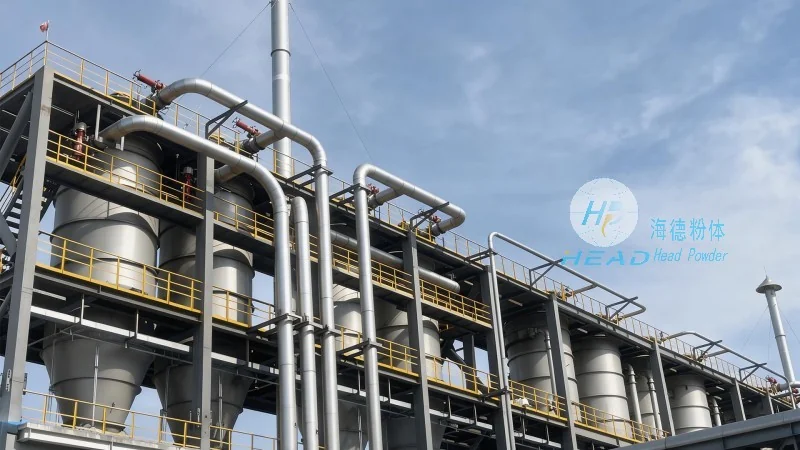
The working principle of PTA pneumatic conveying lines is based on the interaction between the solid particles and the gas stream. In a positive pressure system, a blower injects high-pressure air into the pipeline, creating a flow that lifts and propels the PTA particles forward. The air velocity is maintained above the minimum fluidization velocity to prevent particle settling. In a negative pressure system, a vacuum pump creates a low-pressure environment at the receiving end, drawing the PTA particles through the pipeline. The air flow rate is carefully controlled to ensure the particles are entrained without excessive air consumption.
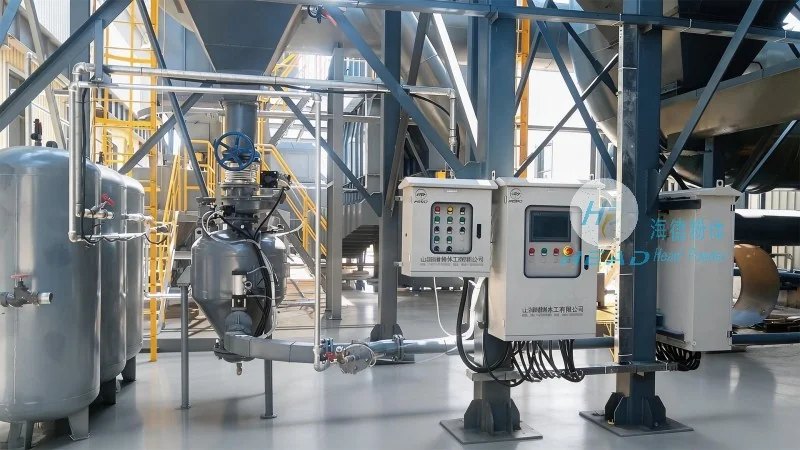
The operation process of a PTA pneumatic conveying line involves several sequential steps, each critical to the system's efficiency and safety. The process typically includes:
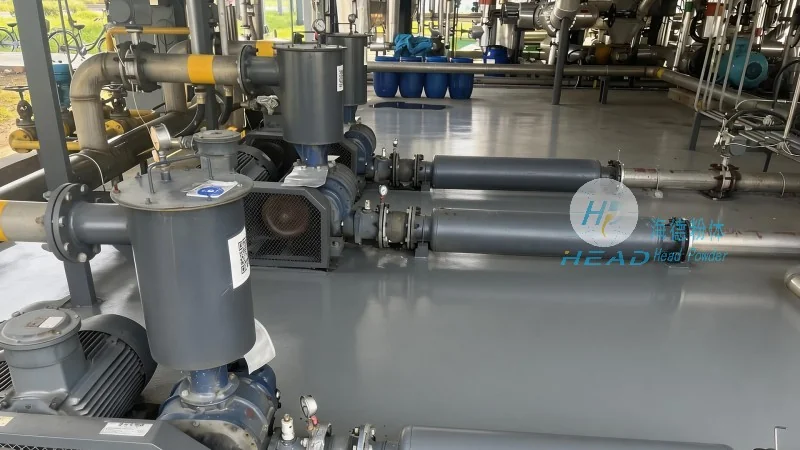
Shandong HeadPowder Engineering Co., Ltd., commonly known as HeadPowder, is a leading manufacturer and supplier of pneumatic conveying systems, including those specifically designed for PTA applications. With a strong focus on engineering excellence and customer satisfaction, HeadPowder has developed advanced solutions tailored to the unique requirements of PTA handling. The company's expertise lies in designing systems that ensure efficient, safe, and reliable transportation of PTA, minimizing operational risks and maximizing productivity. HeadPowder's products are known for their durability, energy efficiency, and compliance with industry standards, making them a trusted choice for businesses in the polyester and related industries.
PTA pneumatic conveying lines are essential for the efficient and safe transportation of PTA material in industrial settings. The operation process, which involves careful control of components and parameters, ensures that the material is delivered to processing units without loss or contamination. Companies like Shandong HeadPowder Engineering Co., Ltd. play a crucial role in providing high-quality systems that meet the demands of modern PTA production, contributing to the overall efficiency and success of the industry.

 Shandong Headpowder Engineering Co., Ltd.
 156-6277-7102(Manager Zhang)
  0531-83386006
  Zhangqiu District, Jinan City, Shandong Province, China
telephone
WeChatconsult
top