

Operation Process and Working Principle of Cement Tanker Pneumatic Conveying Lines
HeadPowder, a leading engineering company based in Shandong, China, specializes in the design, manufacturing, and installation of advanced pneumatic conveying systems for the cement industry. This article provides a detailed overview of the operation process and working principle of cement tanker pneumatic conveying lines, highlighting the key components, technical aspects, and practical applications of such systems.
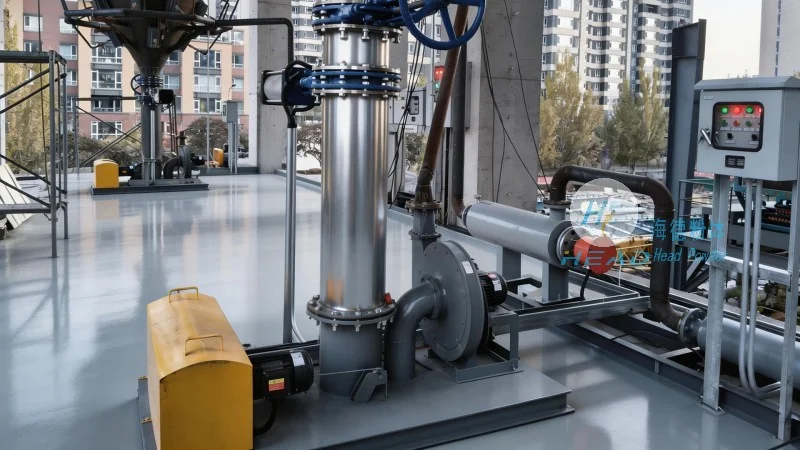
Key Components of Cement Tanker Pneumatic Conveying Lines
The cement tanker pneumatic conveying line is a sophisticated system designed to transport bulk cement from storage silos to various points of use, such as construction sites or processing facilities. The system typically consists of several critical components that work in tandem to ensure efficient and reliable material transfer. These components include:
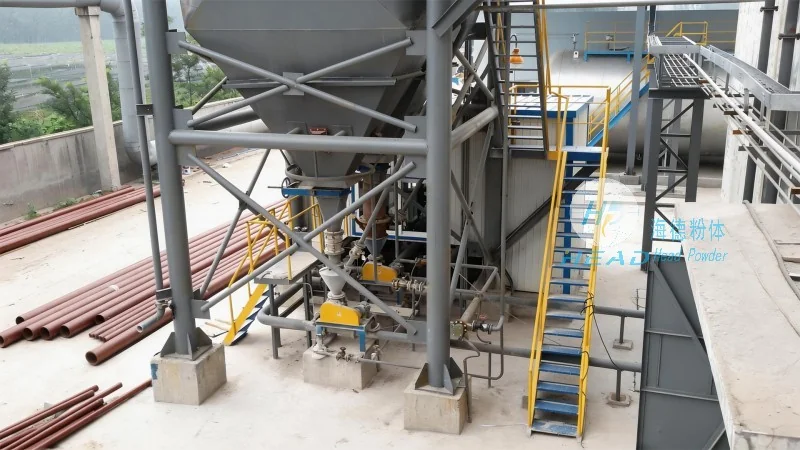
- Cement Tanker: A large, sealed container used to store and transport bulk cement. The tanker is equipped with a hopper and a discharge valve that allows for controlled release of the material.
- Pneumatic Conveying Unit: The core of the system, which uses compressed air to create a flow of air and cement particles. This unit includes a blower, a filter, and a control system to regulate the air pressure and flow rate.
- Conveying Pipeline: A network of pipes that connects the cement tanker to the receiving point. The pipeline is designed to withstand the pressure and abrasion caused by the cement particles.
- Receiving Hopper or Silo: The final destination where the cement is deposited. This component is equipped with a discharge system to allow for further processing or use.
Working Principle of the Pneumatic Conveying Process
The operation of a cement tanker pneumatic conveying line is based on the principle of pneumatic transport, where bulk materials are conveyed through a pipeline using a stream of air. The process can be broken down into several stages:
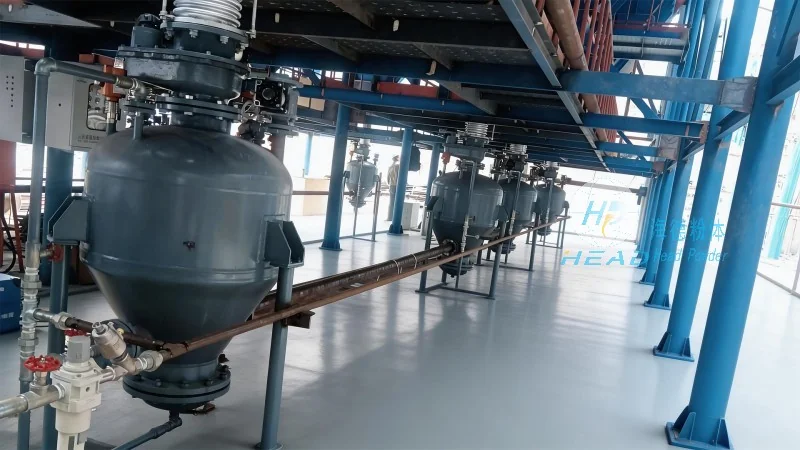
- Material Loading: The cement is loaded into the tanker from a storage silo or other source. The tanker is then sealed to prevent dust and contamination.
- Compressed Air Injection: Compressed air is introduced into the tanker through a vent or a dedicated air inlet. The air creates a pressure differential that causes the cement to flow from the tanker into the conveying pipeline.
- Conveying Phase: As the compressed air flows through the pipeline, it carries the cement particles along with it. The air velocity is carefully controlled to ensure that the cement particles remain suspended and are transported efficiently without causing excessive wear on the pipeline.
- Material Deposition: The cement reaches the receiving hopper or silo, where the air is released and the cement is deposited. The system may include a dust collection and filtration unit to ensure that the air is clean and safe to release.
Operation Process of the Cement Tanker Pneumatic Conveying Line
The operation of the cement tanker pneumatic conveying line involves a series of steps that are typically automated to ensure consistent and reliable performance. The process begins with the loading of the tanker, followed by the activation of the pneumatic conveying unit. Here is a step-by-step breakdown of the operation: