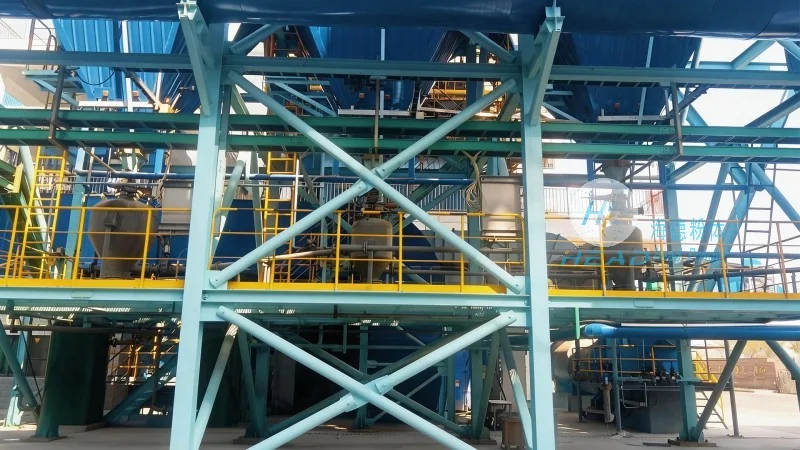
With more than 10‑year industry experience, Shandong Headpowder delivers full‑service pneumatic‑conveying systems and blowers, undertaking nationwide turn‑key powder‑handling projects.
In the complex and highly regulated environment of modern food processing, the efficient and safe movement of raw materials is a fundamental requirement. Among these materials, flour is one of the most challenging to handle due to its fine particulate nature, which poses risks of dust accumulation, clogging, and cross-contamination. Consequently, the selection of appropriate machinery is not merely an operational detail but a critical component of production safety and quality assurance. A robust infrastructure for material transfer ensures that production lines remain unintermittent and that the final product maintains the high standards expected by consumers. This is where specialized engineering solutions become indispensable for industrial operations.
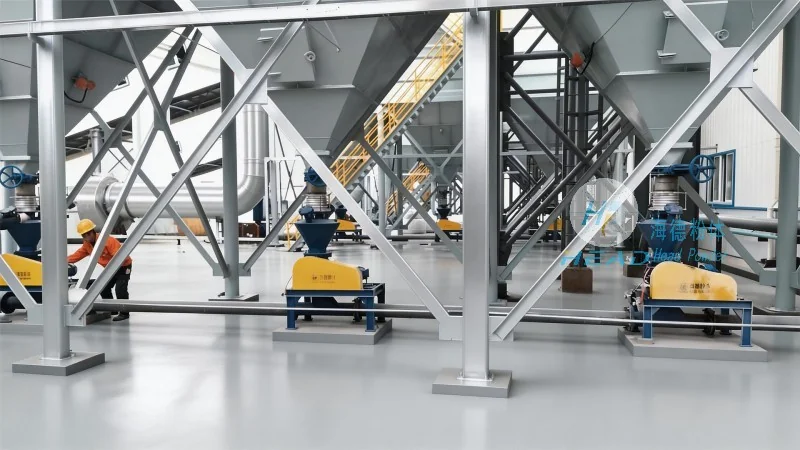
Pneumatic conveying has emerged as the preferred technology for transporting powdered and granular materials, including flour, due to its superior operational characteristics compared to traditional mechanical methods like belt conveyors or bucket elevators. The core principle involves using a stream of air or gas to transport the material through a closed pipeline system. This method offers significant benefits, primarily in terms of hygiene and safety. By keeping the material enclosed, pneumatic systems virtually eliminate dust emissions, protecting both the operator's health and the surrounding environment. Furthermore, the absence of moving mechanical parts within the actual transport line reduces wear and tear and minimizes the risk of fire, a critical safety factor when handling combustible powders like flour.
One size does not fit all in industrial engineering. The layout of a flour mill, the distance between storage silos and processing units, and the specific volume of production all dictate the requirements of a transport system. Therefore, a generic solution is often insufficient to meet the rigorous demands of a specific facility. A professional approach involves the creation of a customized flour pneumatic conveying scheme. This process begins with a thorough analysis of the site's physical constraints and production targets. Engineers must determine whether a positive pressure system or a negative pressure system is more suitable for the specific workflow. A tailored scheme ensures that the system is optimized for energy efficiency, reducing operational costs while maximizing throughput. It also accounts for the specific properties of the flour, ensuring that the air velocity is sufficient to prevent settling and blockages without causing excessive attrition of the powder.
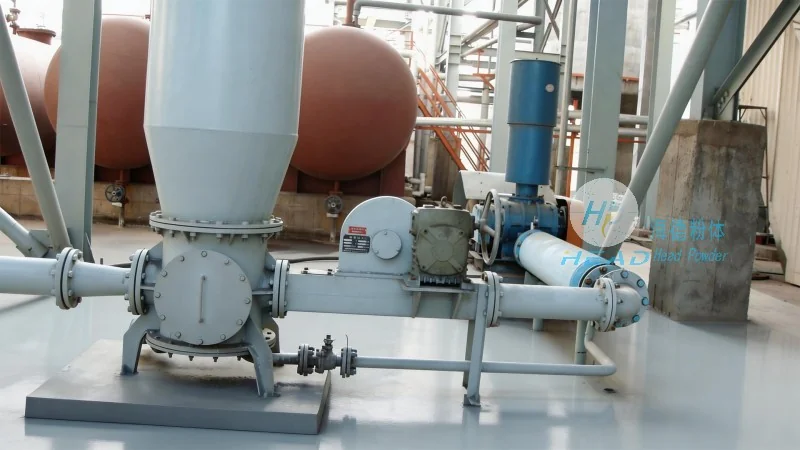
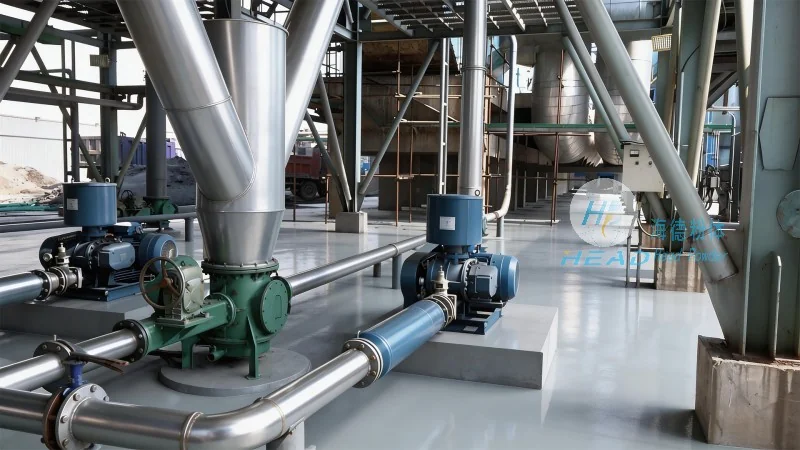
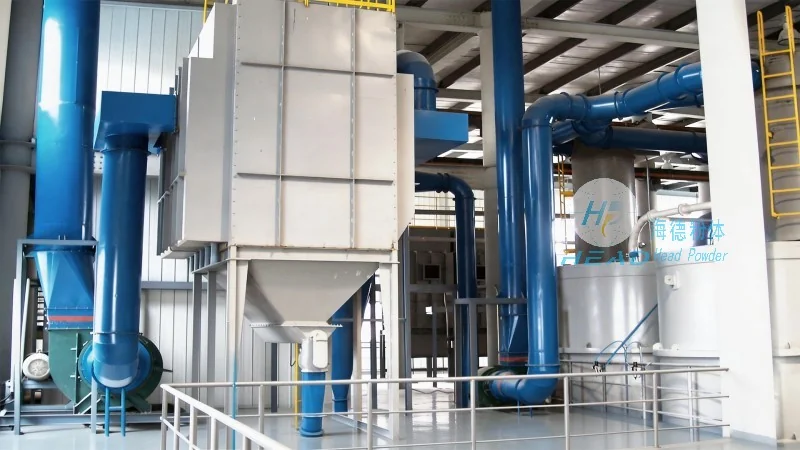
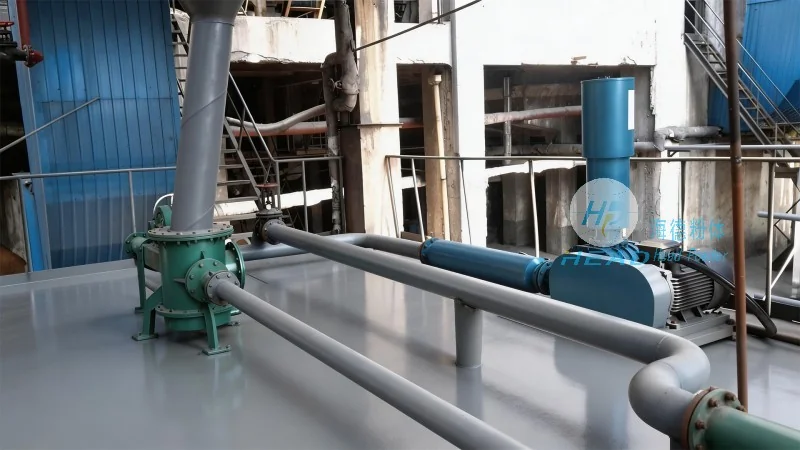
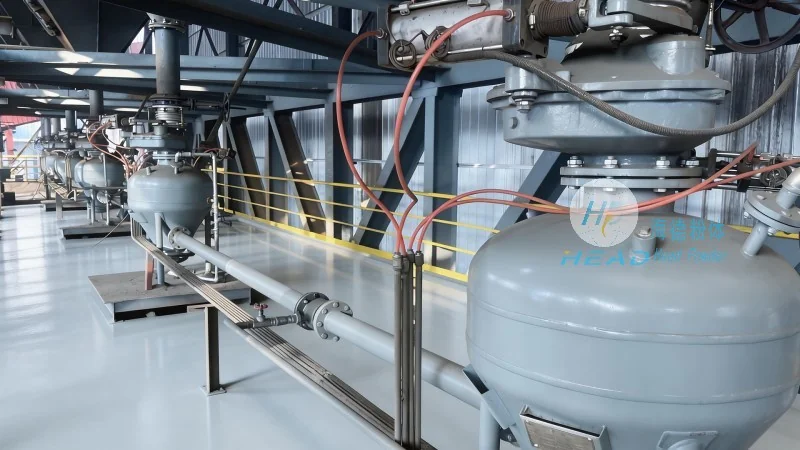
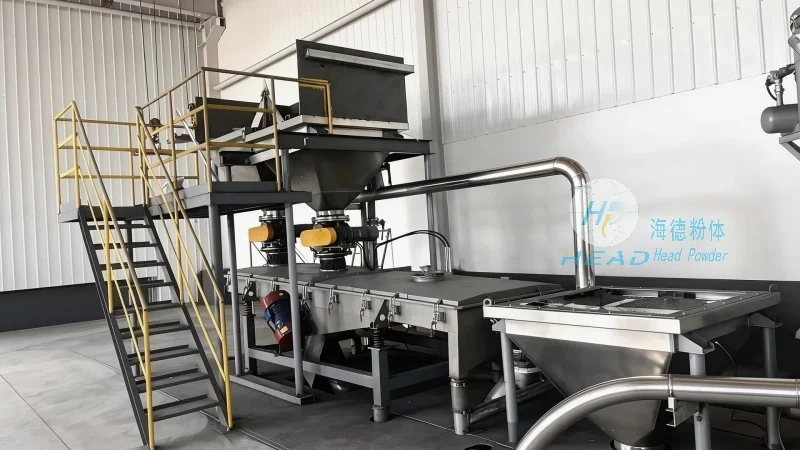
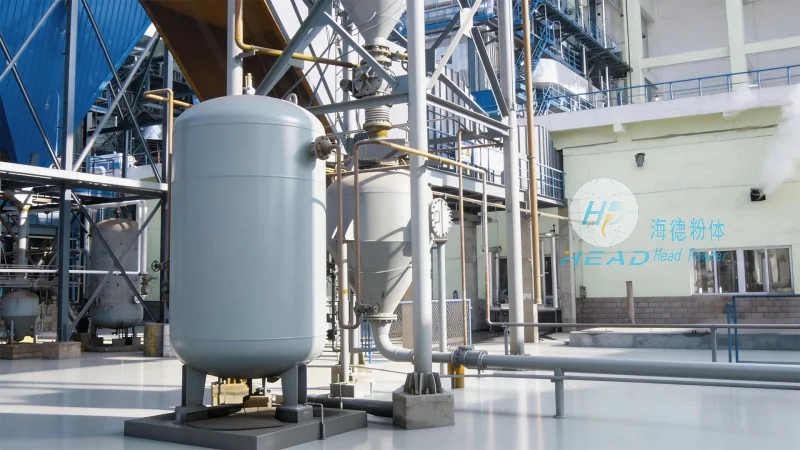
The heart of any pneumatic transport system is the equipment used to generate the necessary pressure and facilitate the movement of the material. A high-quality flour pneumatic conveyor is comprised of several critical components working in unison. This includes heavy-duty blowers or compressors capable of delivering consistent air volume, rotary valves or airlocks for precise feeding, and stainless steel piping designed to withstand internal pressures. The construction materials are of paramount importance; typically, food-grade stainless steel is utilized to ensure that the conveyed flour remains uncontaminated. Advanced systems often incorporate rotary vane vacuum pumps or Roots blowers, which are known for their reliability and low maintenance requirements. These devices are engineered to handle the abrasive nature of flour over long periods without significant degradation, ensuring a long service life for the investment.
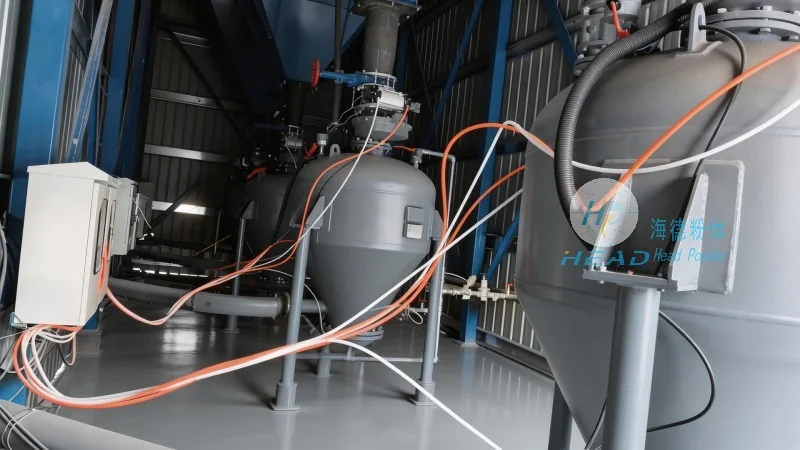
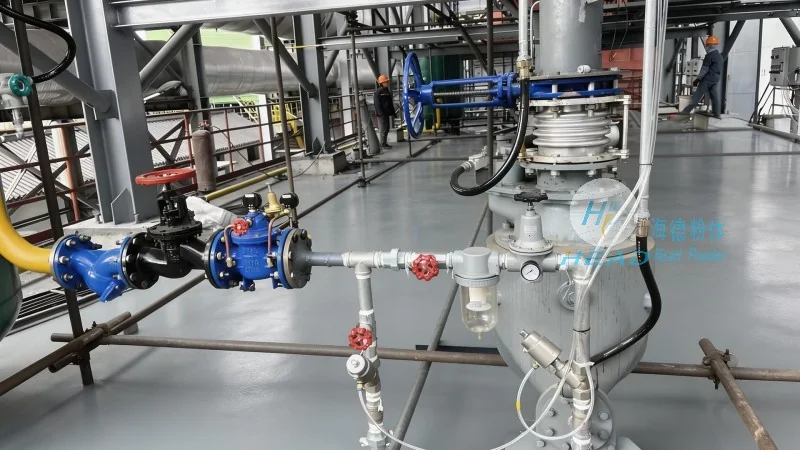
While individual equipment is essential, the true value lies in the integration of these components into a cohesive flour conveying system. An integrated system manages the entire flow of material from the receiving hoppers to the packaging machines or silos. This integration allows for automated control, where sensors monitor the flow and adjust the blower speed or valve openings in real-time to maintain optimal performance. Modern systems are designed with flexibility in mind, allowing for easy expansion or modification as the production scale grows. By centralizing the control of the pneumatic transport, operators can achieve a seamless workflow that reduces manual intervention and minimizes the potential for human error. This holistic approach to engineering ensures that the material handling phase supports, rather than hinders, the overall productivity of the flour production line.
When seeking a solution for such a critical infrastructure project, partnering with an experienced manufacturer is vital. A dedicated flour pneumatic conveying manufacturer brings a wealth of technical knowledge and engineering expertise to the table. Companies like Shandong Headpowder Engineering Co., Ltd. specialize in this niche field, offering end-to-end services from initial concept design to final installation and commissioning. Their expertise ensures that every aspect of the system, from the selection of the right air filter to the calibration of the control panel, meets industry standards. A specialized manufacturer understands the nuances of dust explosion prevention and can design systems that comply with strict safety regulations. They provide not just the hardware, but the technical support necessary to keep the system running smoothly for years to come.
For facility managers and plant operators looking to upgrade their material handling capabilities, direct communication with the engineers behind the technology is the best way to ensure the right solution is implemented. Engaging with professionals allows for a detailed discussion of specific challenges and requirements. By contacting the team at Shandong Headpowder Engineering Co., Ltd., clients gain access to a wealth of industry knowledge. The company is located in Shandong, China, a region known for its strong engineering and manufacturing capabilities. To discuss specific project needs, potential clients are encouraged to reach out directly. The company is led by Mr. Zhang, a manager with extensive experience in the field. Interested parties can connect via WeChat using the ID 15662777102. This direct line of communication ensures that inquiries are handled promptly and that clients receive personalized attention to find the most effective engineering solutions for their flour processing needs.

 Shandong Headpowder Engineering Co., Ltd.
 156-6277-7102(Manager Zhang)
  0531-83386006
  Zhangqiu District, Jinan City, Shandong Province, China
telephone
WeChatconsult
top