With more than 10‑year industry experience, Shandong Headpowder delivers full‑service pneumatic‑conveying systems and blowers, undertaking nationwide turn‑key powder‑handling projects.
Multi-hopper pneumatic conveying systems represent a sophisticated and efficient method for transporting bulk materials over long distances or within complex industrial setups. Developed by Shandong HeadPowder Engineering Co., Ltd., a leading manufacturer based in China, these systems integrate multiple hoppers and pneumatic conveying technology to achieve seamless material handling. The operation process and working principle of such systems are designed to optimize material flow, reduce downtime, and enhance overall operational efficiency.
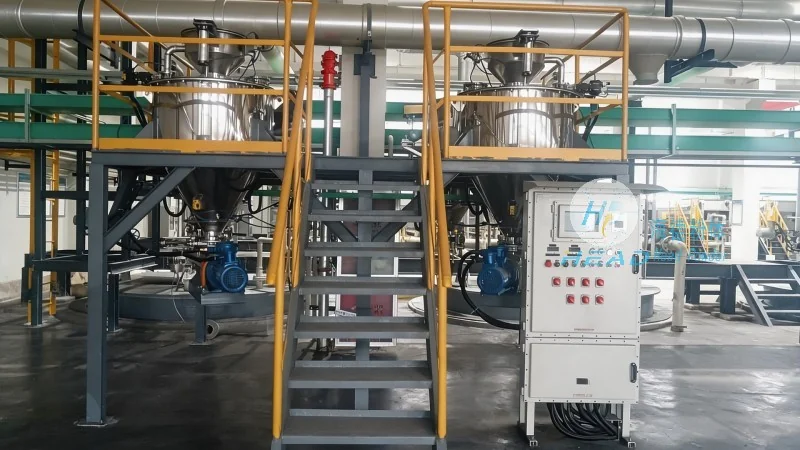
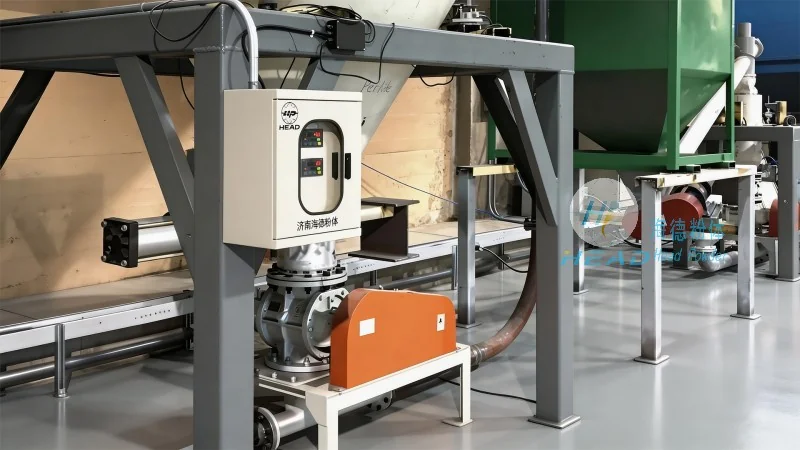
The core of a multi-hopper pneumatic conveying system lies in its ability to handle different materials simultaneously or sequentially through a network of hoppers and conveying lines. Each hopper is equipped with a valve mechanism that controls the release of material into the conveying pipeline. The system typically operates under positive pressure, where a blower or compressor generates air pressure to push the material forward. As material is discharged from a hopper, it is mixed with the pressurized air, forming a dense slurry that travels through the pipeline. The design of the hoppers ensures uniform material distribution, while the conveying lines are sized and configured to match the specific flow rate and material characteristics. The system may also incorporate features like pulse jets or rotary valves to regulate the flow and prevent blockages, ensuring consistent performance.
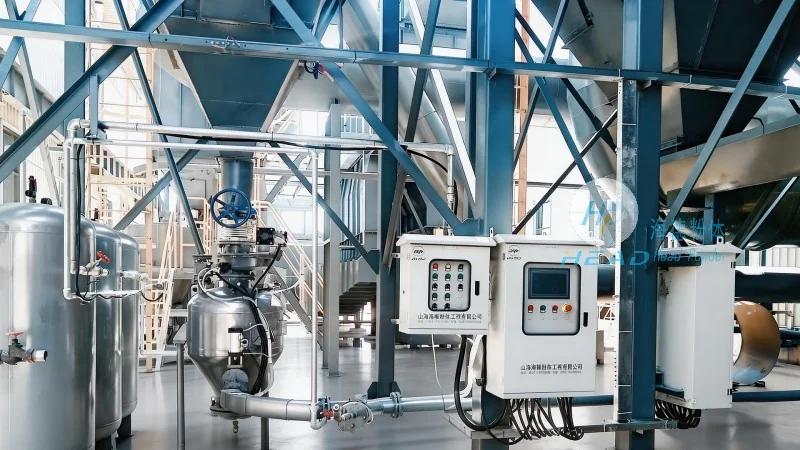
The operation process of a multi-hopper pneumatic conveying system involves several key steps that ensure smooth material transfer from the source to the destination. Initially, the system is prepared by loading each hopper with the respective bulk material. Once loaded, the control system activates the blower, establishing the necessary air pressure. The first hopper is then opened, allowing material to enter the conveying line. As the material is conveyed, the next hopper is prepared for activation, and the process repeats. This sequential or simultaneous operation allows for continuous material flow, minimizing idle time and maximizing throughput. The system continuously monitors pressure, flow rate, and material level in each hopper, adjusting the air pressure or valve settings as needed to maintain optimal performance. At the receiving end, the material is discharged into a silo or storage vessel, completing the cycle. The entire process is automated, with the control panel providing real-time data and alerts for any anomalies, ensuring reliable and efficient operation.
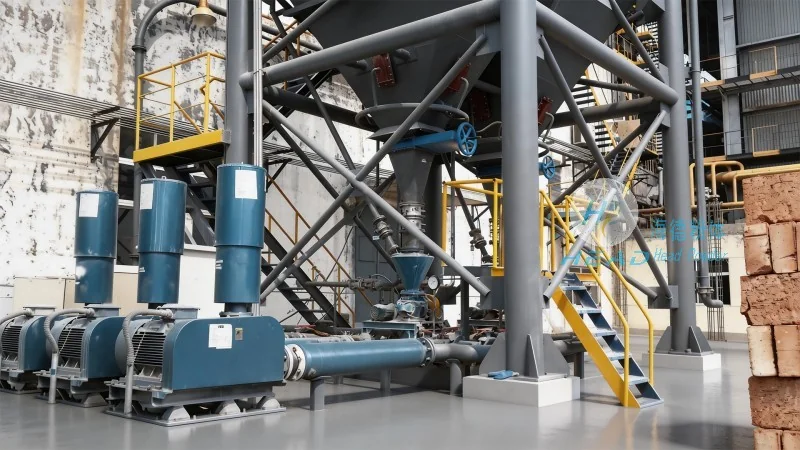
Multi-hopper pneumatic conveying systems offer several advantages that make them ideal for various industrial applications. The ability to handle multiple materials in a single system reduces the need for separate conveying equipment, saving space and costs. The positive pressure operation ensures that the material is transported without exposure to the external environment, maintaining product integrity and preventing contamination. Additionally, the system’s flexibility allows for easy integration with existing production lines, adapting to changing material requirements or production schedules. The automated control system enhances safety by minimizing human intervention and reducing the risk of accidents. Furthermore, the system’s efficiency in terms of energy consumption and material handling makes it a cost-effective solution for bulk material transport, particularly in industries such as cement, chemicals, and food processing.

 Shandong Headpowder Engineering Co., Ltd.
 156-6277-7102(Manager Zhang)
  0531-83386006
  Zhangqiu District, Jinan City, Shandong Province, China
telephone
WeChatconsult
top