With more than 10‑year industry experience, Shandong Headpowder delivers full‑service pneumatic‑conveying systems and blowers, undertaking nationwide turn‑key powder‑handling projects.
Alumina, a crucial raw material in the production of aluminum and various industrial applications, is often transported using pneumatic conveying systems due to its bulk nature and the need for efficient, dust-free handling. However, the abrasive and high-density characteristics of alumina make it prone to causing pipeline blockages if the conveying system is not properly designed and maintained. This article explores effective strategies to prevent blockages and highlights the key design parameters that engineers must consider when implementing pneumatic conveying solutions for alumina applications.
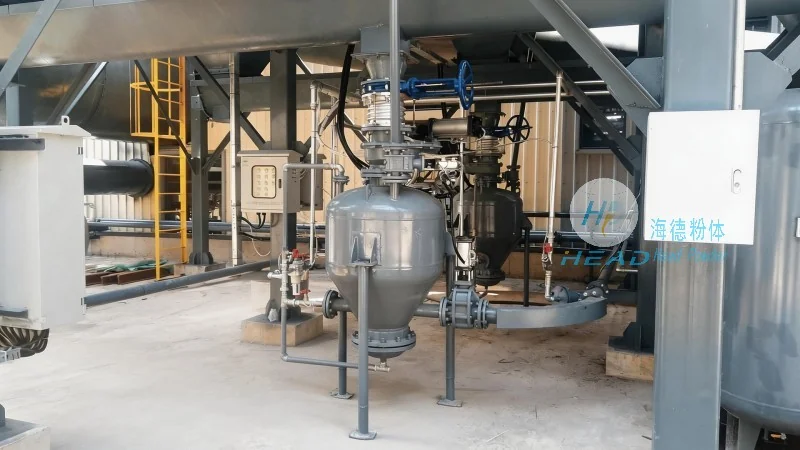
Before delving into solutions, it is essential to understand why alumina is particularly susceptible to blockages. The material's high bulk density and fine particle size can cause particles to agglomerate or stick to the inner walls of the pipeline, especially when the conveying velocity is insufficient or the system experiences pressure drops. Additionally, the abrasive nature of alumina can wear down the pipeline and fittings over time, creating rough surfaces that further promote clogging. These factors combined make proactive design and regular maintenance critical for preventing blockages.
Several key design parameters must be carefully considered when designing a pneumatic conveying system for alumina to minimize the risk of blockages. These parameters include:
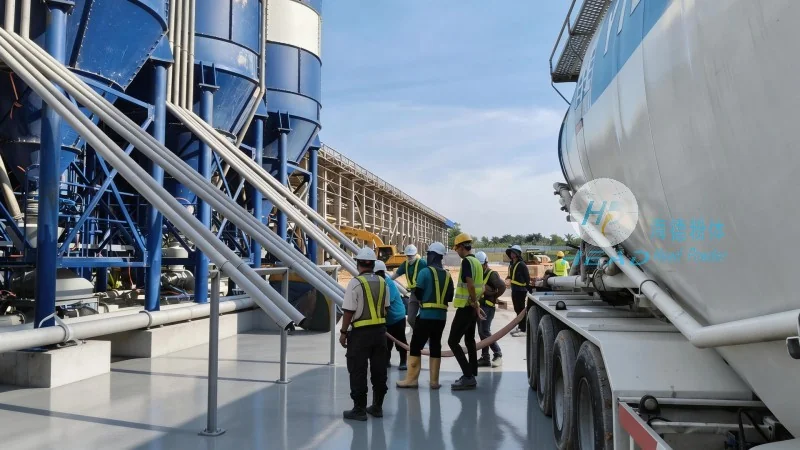
1. Conveying Velocity and Airflow Rate: Maintaining an appropriate conveying velocity is fundamental to preventing blockages. The velocity must be high enough to keep the alumina particles in suspension and prevent them from settling or sticking to the pipeline walls. Engineers typically calculate the required velocity based on the material's properties, pipeline diameter, and system configuration. The airflow rate must also be sufficient to ensure that the particles are fully entrained and transported without causing excessive pressure drops.
2. Pipeline Sizing and Material: The diameter and material of the pipeline are critical factors. Larger diameter pipelines reduce the velocity of the material-air mixture, which can help prevent particle settling. However, excessively large diameters may increase system costs and energy consumption. The pipeline material must be selected to withstand the abrasive nature of alumina; materials such as stainless steel, carbon steel with protective coatings, or specialized alloys are commonly used to minimize wear and maintain smooth surfaces.
3. Solids Loading Ratio: The ratio of solid material to air in the conveying system affects the risk of blockages. A higher solids loading ratio can increase the likelihood of clogging, as the particles have less space to move and are more likely to agglomerate. Engineers must balance the solids loading ratio with the required conveying capacity and system efficiency. Optimal ratios are typically determined through pilot testing and system analysis.
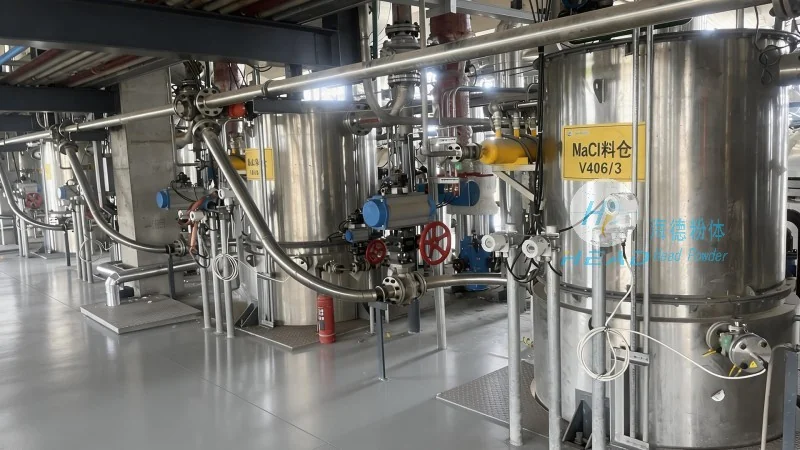
4. System Configuration and Bends: The layout of the conveying system, including the number and angle of bends, plays a significant role in preventing blockages. Sharp bends can cause the material to lose velocity and settle, leading to clogging. Using gradual bends with larger radii and maintaining consistent pipeline slopes (typically 1:100 or steeper) helps maintain the material's suspension and reduces the risk of blockages. Additionally, incorporating expansion sections or surge tanks can help accommodate variations in material flow and prevent pressure buildup.
5. Filtration and Cleaning Systems: Proper filtration is essential to remove any fine particles or debris that may accumulate in the system and contribute to blockages. High-efficiency filters are used to capture particles before they enter the pipeline, while regular cleaning and maintenance of the filter system prevent clogging and ensure consistent performance. Some systems also include self-cleaning filters or automatic backwashing mechanisms to maintain optimal filtration efficiency.
Shandong HeadPowder Engineering Co., Ltd., a leading provider of pneumatic conveying systems, specializes in designing and manufacturing solutions tailored to the unique challenges of alumina transportation. With years of experience in the industry, the company has developed advanced systems that incorporate the key design parameters discussed above to prevent blockages and ensure reliable operation. HeadPowder engineers work closely with clients to understand their specific requirements, including material characteristics, conveying distances, and operational constraints, to design customized solutions that meet their needs.
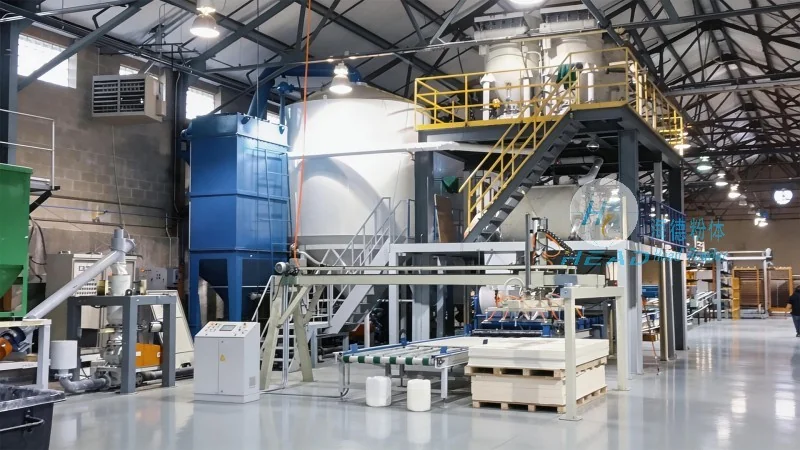
The company's expertise lies in optimizing system configurations, selecting appropriate materials, and implementing effective filtration and cleaning strategies. By focusing on these critical parameters, HeadPowder ensures that its pneumatic conveying systems for alumina are not only efficient but also highly reliable, minimizing downtime and maintenance costs for clients. The company's commitment to quality and innovation has made it a trusted partner for industries relying on alumina as a key raw material.
Preventing pipeline blockages in pneumatic conveying systems for alumina requires a comprehensive approach that considers multiple design parameters and material characteristics. By optimizing conveying velocity, pipeline sizing, solids loading ratio, system configuration, and filtration systems, engineers can significantly reduce the risk of blockages and improve the overall performance of the conveying system. Companies like Shandong HeadPowder Engineering Co., Ltd. play a vital role in providing these specialized solutions, helping industries maintain efficient and reliable alumina transportation processes. With the right design and maintenance strategies, pneumatic conveying systems can effectively handle alumina while minimizing operational challenges and ensuring long-term system reliability.

 Shandong Headpowder Engineering Co., Ltd.
 156-6277-7102(Manager Zhang)
  0531-83386006
  Zhangqiu District, Jinan City, Shandong Province, China
telephone
WeChatconsult
top