With more than 10‑year industry experience, Shandong Headpowder delivers full‑service pneumatic‑conveying systems and blowers, undertaking nationwide turn‑key powder‑handling projects.
The Polyvinyl Alcohol Formaldehyde (PVA-F) Pneumatic Conveying System is a specialized industrial equipment designed for the efficient transportation of polyvinyl alcohol formaldehyde materials. This system integrates advanced pneumatic conveying technology with precise control mechanisms to ensure stable and reliable material transfer. As a key component in material handling processes, it plays a crucial role in various industrial applications, particularly in the chemical and manufacturing sectors where handling powders and granules is essential.

The operation of the PVA-F pneumatic conveying system involves several key steps that ensure smooth material movement from the source to the destination. The process begins with the loading of the polyvinyl alcohol formaldehyde material into the hopper or feeding device. Once the material is loaded, the system activates the air compressor, which generates the necessary air pressure to create a flow of air through the conveying line. The material is then drawn into the air stream by the pressure differential and transported through the pipeline to the receiving container or processing unit. The system maintains consistent air pressure and flow rate to prevent material blockages and ensure uniform conveying speed. At the receiving end, the material is deposited into the target vessel, and the air is filtered and recycled back to the system to minimize energy consumption and environmental impact.
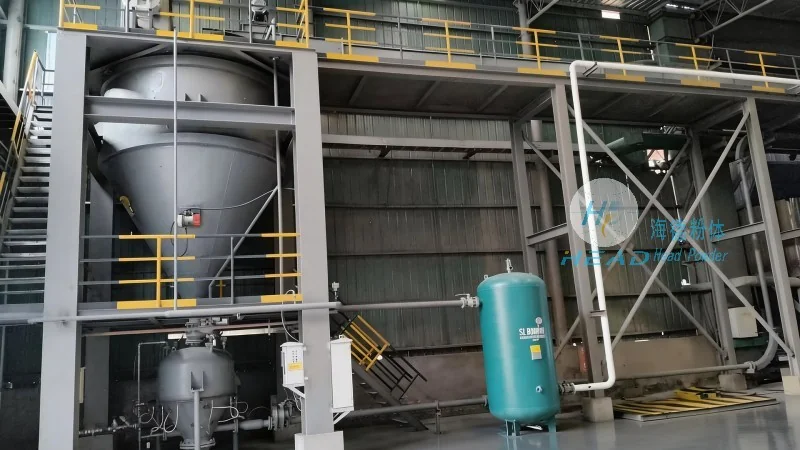
The working principle of the PVA-F pneumatic conveying system is based on the fundamental principles of fluid dynamics and particle transport. The system utilizes a combination of positive and negative pressure or vacuum to move the material. In positive pressure systems, the air compressor supplies compressed air to the conveying line, creating a pressure higher than the ambient air pressure, which forces the material to move forward. In negative pressure or vacuum systems, the air is drawn out of the conveying line, creating a vacuum that pulls the material along with the air stream. The PVA-F system typically employs a positive pressure approach, where the air is introduced at the discharge end and moves backward through the pipeline, carrying the material forward. The system's design includes components such as the hopper, feeder, air compressor, conveying line, and receiver, each playing a specific role in the overall operation. The hopper stores the material and provides a controlled feeding mechanism, while the feeder regulates the flow rate to match the conveying capacity. The air compressor generates the required air pressure, and the conveying line transports the material and air mixture. The receiver collects the material and may include a filter to separate the material from the air, which is then recycled back to the system.
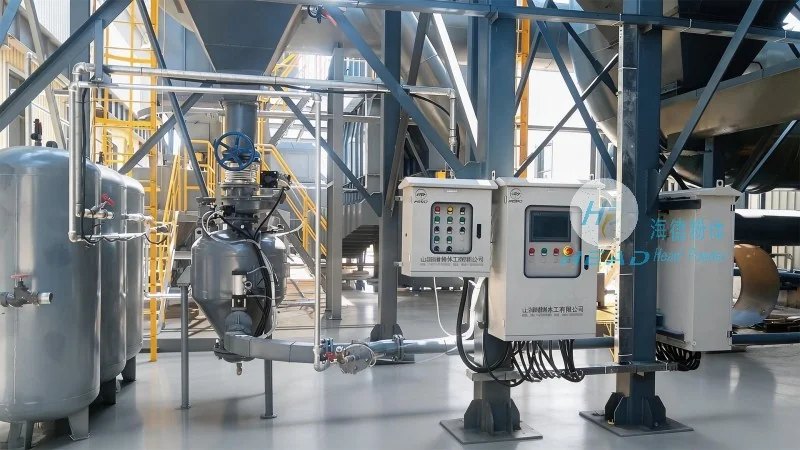
The PVA-F pneumatic conveying system consists of several critical components that work in tandem to ensure efficient operation. The hopper is the primary storage vessel for the polyvinyl alcohol formaldehyde material, designed with a conical or rectangular shape to facilitate uniform material flow. It is equipped with a feeding mechanism, such as a rotary valve or screw feeder, which controls the material discharge rate. The feeder ensures that the material is fed at a consistent rate, preventing overloading or underloading of the conveying line. The air compressor is the heart of the system, responsible for generating the necessary air pressure. It can be a rotary screw compressor or a piston compressor, depending on the system's capacity and requirements. The conveying line is typically made of stainless steel or other corrosion-resistant materials to handle the chemical properties of the polyvinyl alcohol formaldehyde. The line is designed with appropriate diameters and bends to minimize pressure loss and ensure smooth material transport. The receiver is the final component, where the material is deposited. It may include a filter or cyclone to separate the material from the air, and a vent to release any excess air. The system also includes control valves and sensors to monitor and adjust the air pressure, flow rate, and material level, ensuring optimal performance.
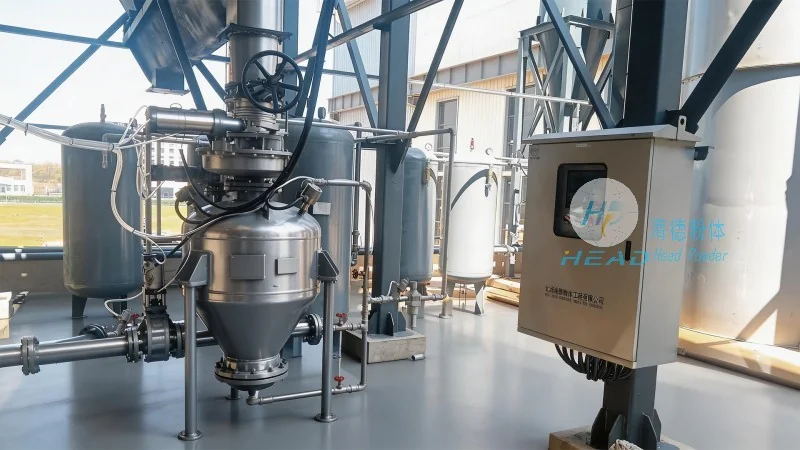
Implementing a PVA-F pneumatic conveying system offers several advantages over traditional material handling methods. One of the primary benefits is the ability to transport materials over long distances without the need for intermediate storage or transfer points. This reduces the risk of material contamination and improves process efficiency. The system is also highly flexible, as it can be easily integrated into existing production lines and adapted to different material types and processing requirements. Additionally, the PVA-F system minimizes material handling errors and reduces labor costs by automating the material transfer process. The use of air as the conveying medium also eliminates the need for mechanical components such as belts or conveyors, which can be prone to wear and tear. The system is also more hygienic and cleaner, as it prevents dust and material spillage, making it suitable for applications where material purity is critical. Furthermore, the PVA-F system is energy-efficient, as it recycles the air and minimizes energy consumption compared to other conveying methods.

 Shandong Headpowder Engineering Co., Ltd.
 156-6277-7102(Manager Zhang)
  0531-83386006
  Zhangqiu District, Jinan City, Shandong Province, China
telephone
WeChatconsult
top