With more than 10‑year industry experience, Shandong Headpowder delivers full‑service pneumatic‑conveying systems and blowers, undertaking nationwide turn‑key powder‑handling projects.
Iron sand pneumatic conveying systems represent a sophisticated method for transporting iron sand particles through a pipeline using compressed air or other gas streams. These systems are widely utilized in industrial applications where efficient and dust-free material handling is critical. The following overview provides a detailed look at the system's structure and operational principles, along with key aspects of its design and functionality.
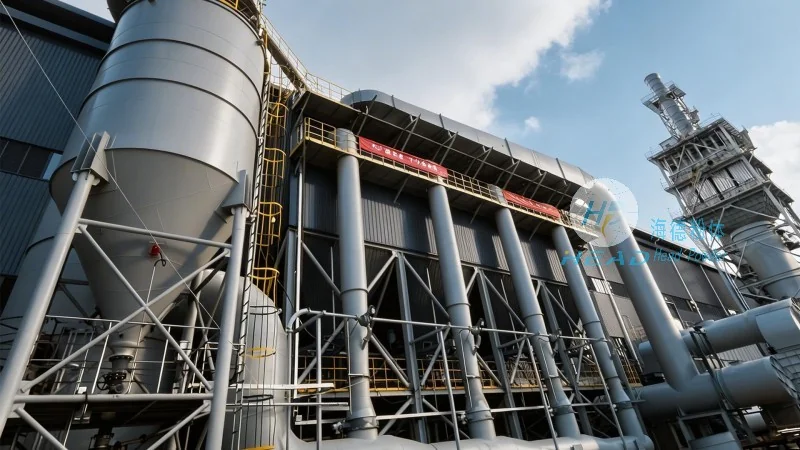
HeadPowder, a leading provider in the field, specializes in the design, manufacturing, and implementation of advanced pneumatic conveying solutions. With its headquarters in Shandong, China, the company leverages decades of industry experience to deliver customized systems tailored to the unique requirements of iron sand processing and handling. HeadPowder's commitment to quality and innovation ensures that their pneumatic conveying systems meet the highest standards of performance and reliability in demanding industrial environments.
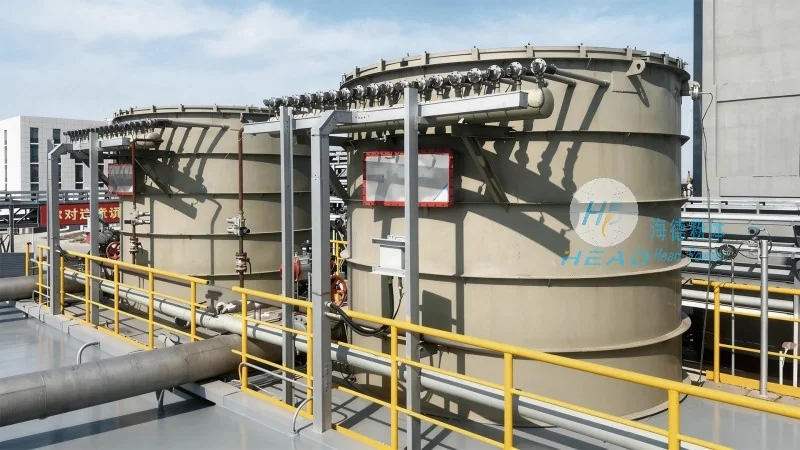
The core components of an iron sand pneumatic conveying system typically include a material feeder, a conveying pipeline, a pressure vessel or receiver, and a control system. The material feeder is responsible for introducing iron sand into the system, often in a controlled manner to maintain consistent flow rates. The conveying pipeline, usually made of durable materials such as stainless steel or special alloys, transports the iron sand particles through the system under pressure. The pressure vessel or receiver collects the conveyed material and may include features like a dust filter or cyclone separator to ensure clean material discharge. The control system monitors and regulates the operation of the feeder, pipeline pressure, and overall system performance, ensuring safe and efficient operation.
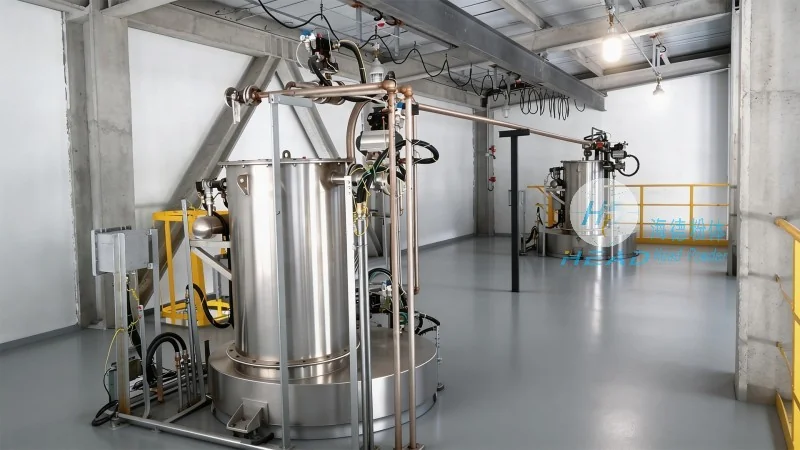
The operation of an iron sand pneumatic conveying system is based on the principle of fluidization and suspension. Compressed air or gas is introduced into the conveying pipeline, creating a high-velocity flow that lifts and transports the iron sand particles. The air velocity is carefully controlled to maintain the particles in a suspended state, preventing them from settling or causing blockages. This method allows for the efficient movement of iron sand over long distances without the need for mechanical components like belts or buckets, which can be prone to wear and maintenance issues. The system's ability to handle abrasive materials like iron sand is enhanced by the use of specialized materials for the pipeline and components, ensuring long-term durability and minimal downtime.
Compared to traditional mechanical conveying methods, iron sand pneumatic conveying systems offer several advantages. These include reduced labor costs due to automated operation, lower maintenance requirements as there are fewer moving parts, and improved safety by eliminating the need for manual handling of bulk materials. The systems also provide better control over material flow rates and can handle a wide range of particle sizes and densities. Additionally, the enclosed nature of the system minimizes dust emissions, contributing to a cleaner and safer working environment. For industries dealing with iron sand, these benefits translate into increased productivity, cost savings, and compliance with environmental regulations.
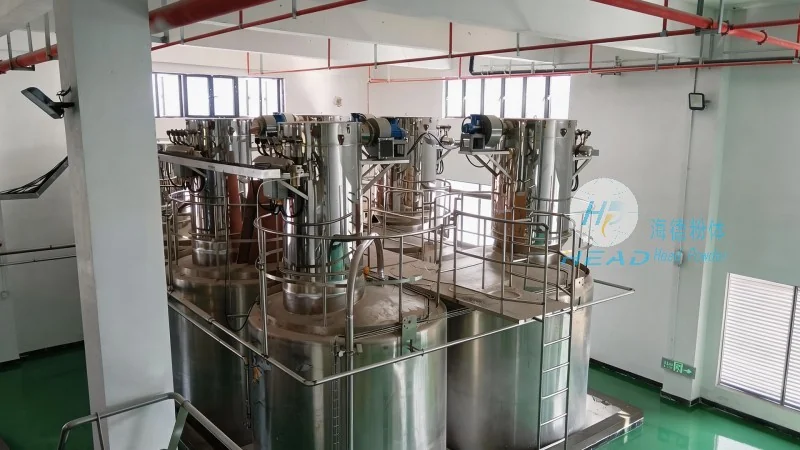
Iron sand pneumatic conveying systems are commonly used in various industrial sectors, including mining, metallurgy, and manufacturing. In mining operations, they are employed to transport iron sand from extraction sites to processing facilities, ensuring a continuous and efficient supply chain. In metallurgical plants, the systems facilitate the transport of iron sand to furnaces or other processing equipment, where it is used as a raw material in steel production. The ability to handle large volumes of iron sand with minimal disruption to production processes makes these systems indispensable in modern industrial operations. By optimizing material handling, these systems help companies improve their operational efficiency and maintain a competitive edge in the market.

 Shandong Headpowder Engineering Co., Ltd.
 156-6277-7102(Manager Zhang)
  0531-83386006
  Zhangqiu District, Jinan City, Shandong Province, China
telephone
WeChatconsult
top