With more than 10‑year industry experience, Shandong Headpowder delivers full‑service pneumatic‑conveying systems and blowers, undertaking nationwide turn‑key powder‑handling projects.
Pyrolysis char, a valuable byproduct from the pyrolysis process of organic materials, often requires efficient and reliable transportation methods for industrial applications. Pneumatic conveying systems offer a robust solution for handling pyrolysis char, ensuring safe and effective material transfer. This article delves into the operation process and working principles of such systems, highlighting the key components and mechanisms involved.
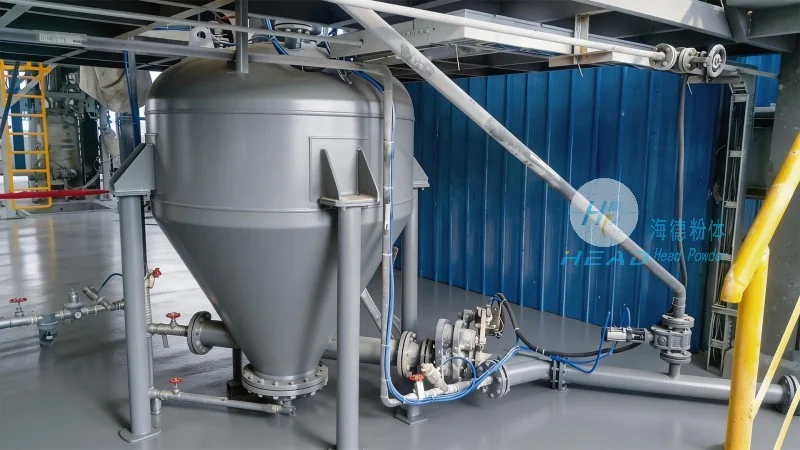
The pneumatic conveying system for pyrolysis char typically consists of several critical components that work in tandem to facilitate material transport. These include a hopper or feeder for material storage and feeding, a conveying line (usually made of metal or flexible tubing), a blower or air compressor to generate the necessary airflow, and a receiver or discharge unit for collecting the conveyed material. Each component plays a vital role in maintaining the system's efficiency and reliability.
The operation of a pyrolysis char pneumatic conveying system follows a systematic sequence of steps. Initially, pyrolysis char is fed into the hopper from the source material. The feeder then regulates the flow rate, ensuring a consistent supply of material into the conveying line. Simultaneously, the blower generates high-pressure air, which is introduced into the conveying line. As the air flows through the line, it entrains the pyrolysis char particles, creating a slurry-like mixture that moves along the pipeline. The mixture travels to the receiver, where the air is separated from the char, and the char is discharged into the collection container. The air, now filtered or treated if necessary, is either recirculated or vented to maintain system pressure and efficiency.
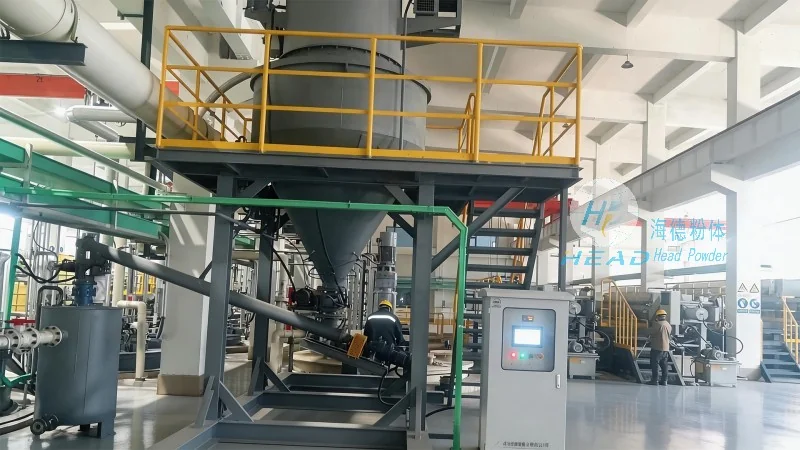
The core working principle of pneumatic conveying for pyrolysis char revolves around the interaction between air and solid particles. When air is introduced into the conveying line at sufficient velocity, it creates a drag force that lifts and transports the char particles. The velocity of the air must exceed the terminal velocity of the particles to ensure stable transport. This principle is often categorized into two main types: dilute-phase and dense-phase conveying. Dilute-phase systems operate at higher air velocities, with particles suspended in the air stream, while dense-phase systems use lower velocities, with particles moving in a more compacted state, often aided by pulse or pressure variations.
Implementing pneumatic conveying systems for pyrolysis char offers several advantages over traditional methods like belt conveyors or bucket elevators. These systems are highly effective in preventing dust contamination, as the material is enclosed within the conveying line. They also provide a flexible and space-saving solution, as the pipeline can be routed around obstacles or through different levels of the facility. Additionally, pneumatic conveying can handle a wide range of particle sizes and moisture contents, making it suitable for various pyrolysis applications. The system's ability to maintain a consistent flow rate and minimize material degradation further enhances its practicality in industrial settings.
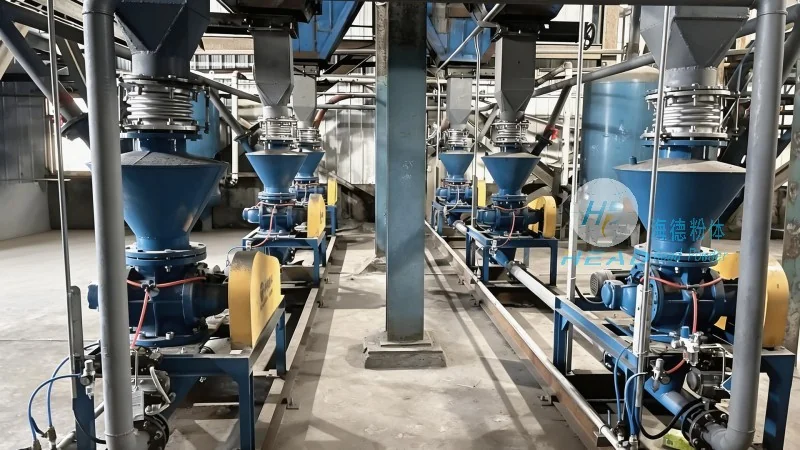
Pneumatic conveying systems for pyrolysis char are widely used in various industrial sectors, including waste management, energy production, and chemical processing. In waste-to-energy facilities, these systems efficiently transport pyrolysis char from the pyrolysis reactor to storage or further processing units, such as combustion or gasification. The consistent and reliable transport of char ensures optimal performance of downstream processes, contributing to higher energy recovery rates. In chemical plants, pyrolysis char may be used as a raw material for producing activated carbon or other value-added products, and pneumatic conveying facilitates the transfer of char to processing equipment without contamination or loss.
To ensure the long-term performance and reliability of pyrolysis char pneumatic conveying systems, regular maintenance and operational considerations are essential. The blower and air compressor must be checked for proper airflow and pressure, as any inefficiencies can lead to reduced conveying capacity. The conveying line and components should be inspected for wear and tear, particularly in areas with high particle impact or abrasion. Cleaning the system, especially the hopper and receiver, is crucial to prevent material buildup and blockages. Additionally, monitoring the air filtration system is important to maintain air quality and prevent dust emissions. Proper training of operators on system operation and troubleshooting is also vital to minimize downtime and ensure safe operation.

 Shandong Headpowder Engineering Co., Ltd.
 156-6277-7102(Manager Zhang)
  0531-83386006
  Zhangqiu District, Jinan City, Shandong Province, China
telephone
WeChatconsult
top