

What is a Mung Bean Powder Conveying System Equipment? And What Are Its Design Principles?
Mung bean powder, a widely used ingredient in food processing and other industries, demands efficient and reliable conveying systems to facilitate smooth production. The mung bean powder conveying system equipment is specifically engineered to handle the unique characteristics of this powder, such as its fine particle size, hygroscopic nature, and potential for dust generation. This equipment is essential for ensuring consistent and hygienic transportation of mung bean powder, which is crucial for maintaining product quality and meeting industry standards.
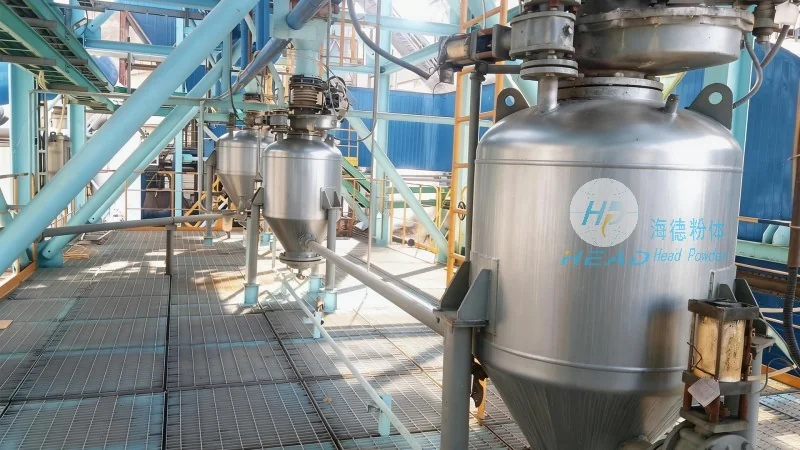
Company Profile: Shandong HeadPowder Engineering Co., Ltd.
HeadPowder, a prominent manufacturer specializing in powder handling technology, focuses on developing advanced conveying systems tailored to diverse industrial needs. With a strong commitment to innovation and quality, the company has built a reputation as a trusted provider of reliable solutions for powder transportation. HeadPowder's headquarters is situated in Shandong, China, where the company leverages local expertise and resources to deliver high-performance equipment that complies with international standards. The company's mission is to enhance operational efficiency and safety for businesses relying on powder handling processes.
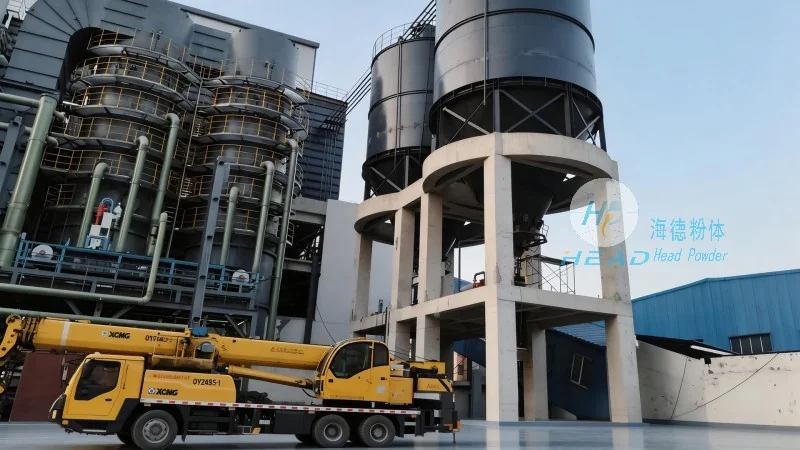
Key Components of the Mung Bean Powder Conveying System
The mung bean powder conveying system comprises several critical components that work in unison to ensure effective powder management. These components include a feeding mechanism to regulate the flow of mung bean powder into the system, a conveying device (such as a screw conveyor, pneumatic conveyor, or bucket elevator) to transport the powder between locations, a dust collection system to prevent airborne particles and maintain a clean environment, and a control panel to monitor and adjust the system's operation. Each component is designed to address the specific challenges posed by mung bean powder, including its tendency to clump, generate static electricity, or cause clogging in traditional conveying systems.
Design Principles of the Mung Bean Powder Conveying System
The design of a mung bean powder conveying system adheres to several fundamental principles to ensure optimal performance and safety. First, the system is constructed using materials resistant to corrosion and wear, as mung bean powder can be abrasive and may contain moisture that could degrade equipment over time. Stainless steel is commonly employed for internal parts to maintain hygiene and prevent contamination. Second, the system incorporates features to minimize dust generation and ensure proper ventilation, safeguarding both equipment and operators from health hazards. This is achieved through sealed containers, joint sealing, and integrated dust collection systems. Third, the design addresses the hygroscopic nature of mung bean powder, which can lead to clumping and clogging if not managed properly. Anti-static measures and temperature control are integrated to prevent these issues and ensure consistent flow. Finally, the system is engineered for easy maintenance and cleaning, with removable parts that can be thoroughly cleaned to prevent cross-contamination and uphold product quality standards.
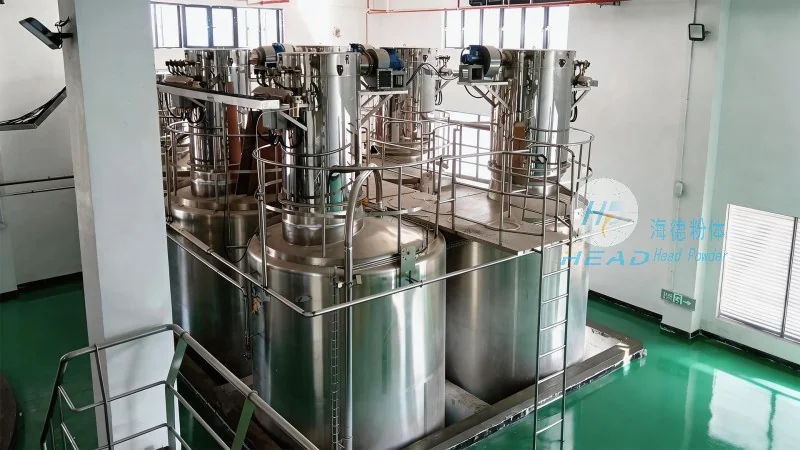
Application Scenarios and Benefits
The mung bean powder conveying system is widely utilized in industries such as food processing, where it transports mung bean powder for products like mung bean jelly, mung bean paste, and mung bean flour. In the pharmaceutical sector, it handles mung bean powder as a raw material for herbal supplements and traditional medicine formulations. The benefits of this system include improved production efficiency, reduced labor costs through automated handling, enhanced product quality via consistent and hygienic transportation, and increased operator safety by minimizing exposure to dust and powder. Additionally, the system contributes to maintaining a clean and organized production environment, which is vital for meeting regulatory requirements in food and pharmaceutical industries.