With more than 10‑year industry experience, Shandong Headpowder delivers full‑service pneumatic‑conveying systems and blowers, undertaking nationwide turn‑key powder‑handling projects.
HeadPowder, a leading enterprise in the field of material handling technology, specializes in the design, manufacturing, and application of pneumatic conveying systems tailored for crystal particle transport. This article provides a detailed overview of the operational process and working principles of such systems, highlighting the technical aspects and practical applications that define modern crystal particle handling solutions.
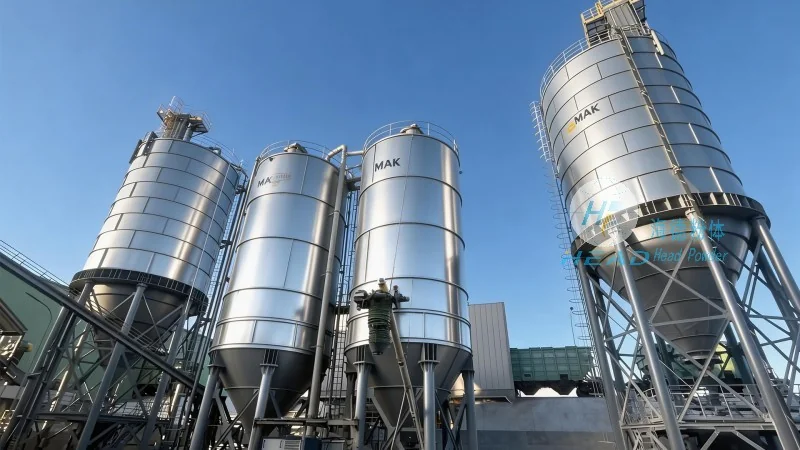
HeadPowder, or Shandong HeadPowder Engineering Co., Ltd., is headquartered in Shandong, China. The company has established itself as a key player in the engineering sector, focusing on innovative solutions for material transport, particularly in the handling of fine and delicate materials like crystal particles. With a commitment to precision and efficiency, HeadPowder's systems are engineered to meet the stringent requirements of industries that rely on consistent and reliable particle movement.
The operation of a pneumatic conveying system for crystal particles involves a series of coordinated steps that ensure the safe and efficient transport of the material. The process typically begins with the loading of the crystal particles into a hopper or feeder, where the material is stored and prepared for transport. From the hopper, the particles are drawn into the conveying line by a vacuum or pressure source, depending on the system design. The conveying line, often made of stainless steel or other corrosion-resistant materials, is designed to handle the specific characteristics of crystal particles, such as their size, density, and potential for abrasion.
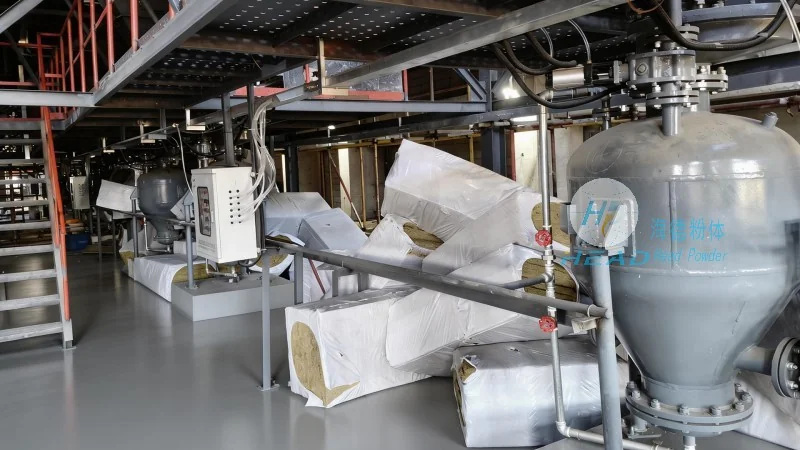
During the conveying process, the particles are suspended in a stream of air or gas, which moves them through the pipeline. The velocity of the air stream is critical; it must be sufficient to keep the particles in suspension but not so high as to cause excessive wear or damage to the particles or the system components. The system may include various components like cyclones, filters, and separators to manage the material flow and ensure that the particles are delivered to the destination without loss or degradation.
The discharge process is the final stage of the operation, where the crystal particles are released from the conveying line into a receiving container or processing unit. Proper control of the discharge rate is essential to maintain the integrity of the particles and prevent clogging or blockages in the system. The entire process is monitored and controlled by advanced systems that adjust parameters like air pressure, flow rate, and particle feed rate to optimize performance and minimize energy consumption.
The core principle of pneumatic conveying is the use of air or gas to transport solid particles. In a vacuum system, a vacuum pump creates a pressure differential that draws the particles from the source to the destination. In a pressure system, compressed air is used to push the particles through the pipeline. The choice between vacuum and pressure depends on factors such as the distance to be covered, the material characteristics, and the required flow rate.
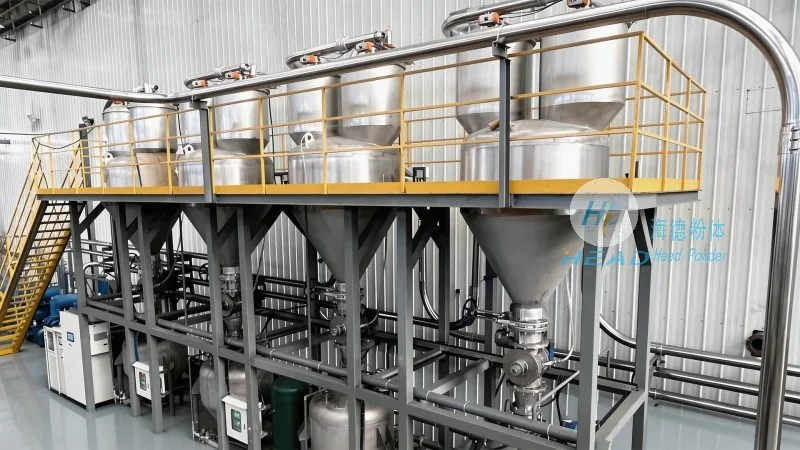
For crystal particles, the system design must account for their unique properties. Crystal particles are often fine and can be fragile, requiring a system that minimizes mechanical stress during transport. The conveying line is typically equipped with smooth, non-abrasive surfaces to prevent particle breakage. Additionally, the system may incorporate features like pulse-jet cleaning to maintain the efficiency of the conveying line and prevent particle buildup.
The working principle also involves the interaction between the particles and the air stream. The particles are entrained in the air flow, and their movement is governed by fluid dynamics principles. The system's design, including the size and shape of the conveying line, the velocity of the air, and the particle size distribution, all contribute to the overall efficiency and effectiveness of the conveying process. Advanced control systems and sensors are used to monitor key parameters and adjust the operation in real-time, ensuring optimal performance and reliability.
The pneumatic conveying systems developed by HeadPowder are widely used in various industries that handle crystal particles, including pharmaceuticals, food processing, and chemical manufacturing. The benefits of these systems include improved safety, as the material is transported without direct human contact, reduced risk of contamination, and enhanced efficiency compared to traditional methods like belt conveyors or manual handling.
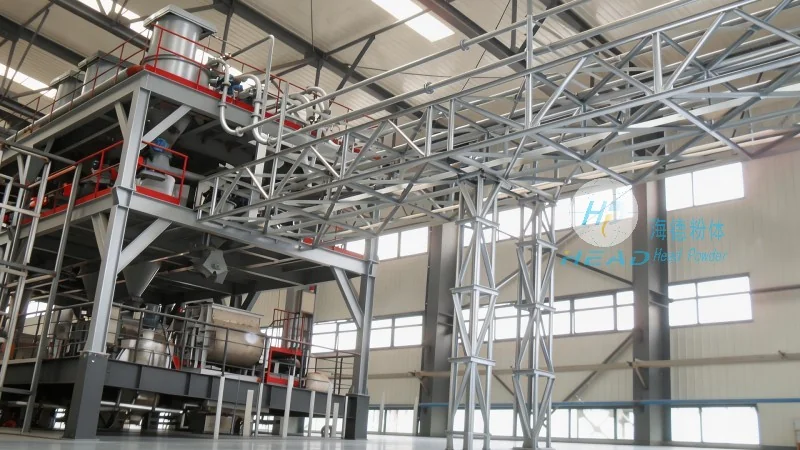
For pharmaceutical applications, the systems are designed to meet stringent hygiene and contamination control standards, ensuring that the crystal particles remain pure and free from contaminants. In food processing, the systems maintain the quality and integrity of the product, preventing damage or degradation during transport. The chemical industry benefits from the ability to handle abrasive and corrosive materials, with the system's components engineered to withstand the harsh conditions.
HeadPowder's expertise in material handling technology allows them to tailor the pneumatic conveying systems to the specific needs of each application. This customization ensures that the systems operate efficiently, with minimal downtime and maintenance, providing long-term value to their clients. The company's commitment to innovation and quality has made it a trusted partner for businesses seeking reliable and effective solutions for crystal particle transport.

 Shandong Headpowder Engineering Co., Ltd.
 156-6277-7102(Manager Zhang)
  0531-83386006
  Zhangqiu District, Jinan City, Shandong Province, China
telephone
WeChatconsult
top