With more than 10‑year industry experience, Shandong Headpowder delivers full‑service pneumatic‑conveying systems and blowers, undertaking nationwide turn‑key powder‑handling projects.
Low-pressure material handling systems represent a critical component in modern industrial operations, designed to efficiently transport bulk materials with minimal force and energy consumption. These systems are particularly valuable in applications where delicate or sensitive materials require gentle handling to prevent damage or degradation. The core of low-pressure material handling lies in its ability to maintain a controlled environment that minimizes stress on the transported goods, making it an essential technology in sectors such as pharmaceuticals, food processing, and fine chemicals.
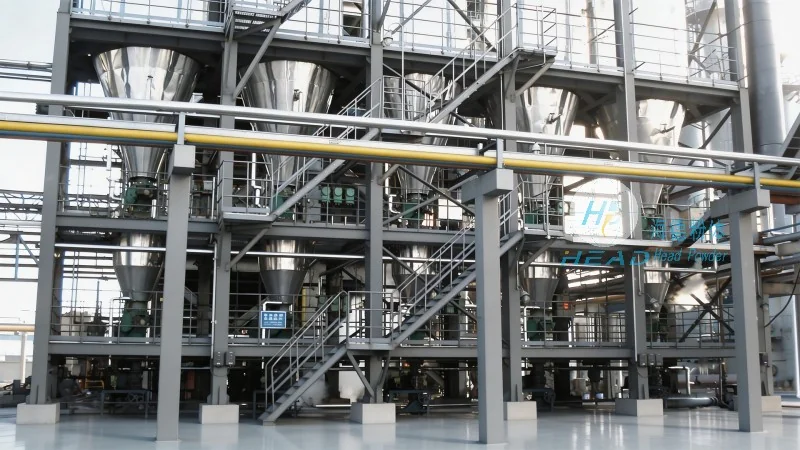
The design of low-pressure material handling systems is guided by several fundamental principles aimed at optimizing performance, safety, and efficiency. First, the system must ensure a consistent and gentle flow of materials, typically achieved through the use of low-pressure air or vacuum systems. This approach reduces the risk of mechanical impact or abrasion, which can compromise the integrity of the handled products. Second, the design emphasizes the use of flexible and adaptable components, such as soft hoses, bellows, and low-friction conveyors, to accommodate varying material types and sizes without causing damage.
Third, the control of pressure and flow rates is a critical design consideration. Advanced control systems, often integrated with sensors and feedback mechanisms, allow for real-time adjustments to maintain optimal handling conditions. This dynamic control ensures that the system operates within safe parameters, preventing over-pressurization or under-pressurization that could lead to material spillage or equipment failure. Additionally, the design incorporates safety features, including pressure relief valves and emergency shut-off mechanisms, to protect both the equipment and the personnel operating the system.
Low-pressure material handling systems typically consist of several key components that work in concert to achieve efficient material transport. The primary components include low-pressure blowers or vacuum pumps, which generate the necessary airflow to move materials. These devices are designed to operate at low pressures, usually ranging from 0.5 to 2 bar, to minimize energy consumption while maintaining sufficient force for material movement. Conveyors, such as flexible or pneumatic conveyors, are often used to guide the materials through the system, with the design of these conveyors focusing on low friction and minimal material contact to prevent damage.
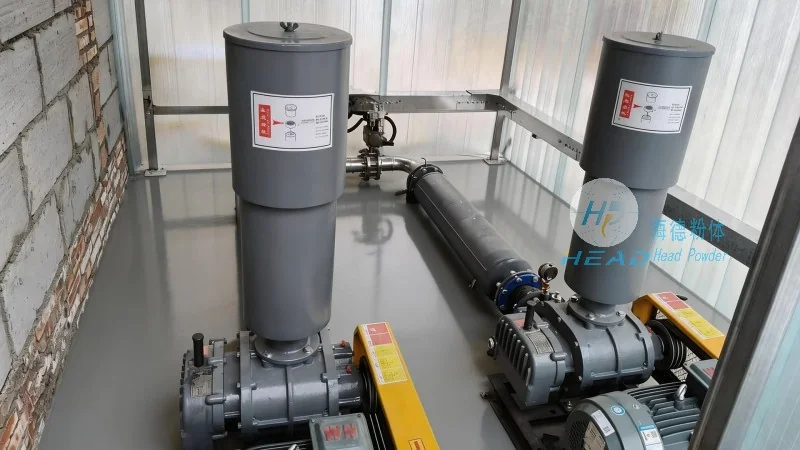
Another crucial technology in low-pressure material handling is the use of air slides or air tables. These devices utilize a thin layer of air to lift and move materials, reducing friction and allowing for smooth, continuous transport. Air slides are particularly effective for handling granular or powdery materials, as they prevent material compaction and ensure uniform flow. The design of air slides involves precise control of air flow and pressure, which is achieved through adjustable nozzles and diffusers that distribute air evenly across the material surface.
Low-pressure material handling systems find widespread application across various industries due to their ability to handle delicate materials with precision. In the pharmaceutical industry, for example, these systems are used to transport active pharmaceutical ingredients (APIs) and other sensitive compounds, ensuring that the materials remain intact and free from contamination. The gentle handling reduces the risk of particle degradation or cross-contamination, which is critical for maintaining product quality and regulatory compliance.
In the food processing sector, low-pressure material handling is employed to transport ingredients like grains, powders, and spices. The systems are designed to maintain hygienic conditions, with components that are easy to clean and sanitize. This is essential for meeting food safety standards and preventing the spread of bacteria or other contaminants. The low-pressure approach also helps to preserve the flavor and texture of the food products, as it minimizes mechanical stress that could alter their properties.
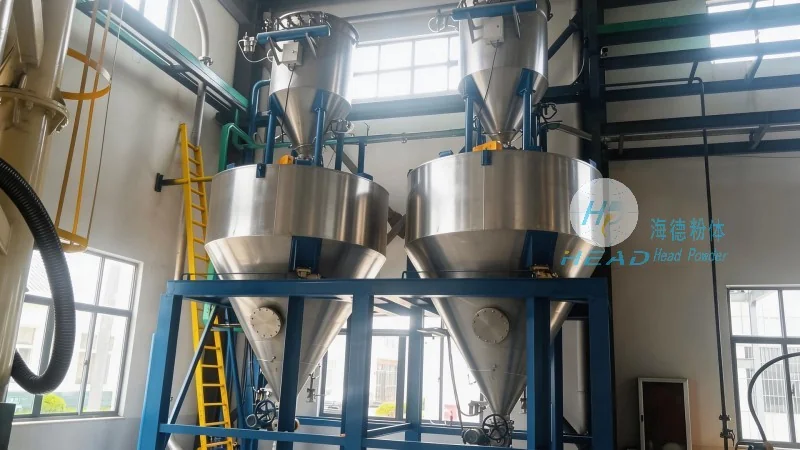
Similarly, in the chemical industry, low-pressure material handling is used for handling fine chemicals and powders. The systems are engineered to handle materials with varying particle sizes and moisture content, ensuring that the transport process does not cause agglomeration or caking. The design of these systems often includes features such as temperature control and moisture regulation, which are critical for maintaining the stability of the chemicals during transport.
Shandong HeadPowder Engineering Co., Ltd., commonly known as HeadPowder, is a leading provider of low-pressure material handling solutions. With its headquarters in Shandong, China, HeadPowder specializes in designing and manufacturing systems that meet the unique needs of various industrial applications. The company's expertise lies in integrating advanced technologies with practical design principles to deliver efficient, reliable, and cost-effective material handling solutions.
HeadPowder's low-pressure material handling systems are built with a focus on durability and performance. The components are constructed from high-quality materials, such as stainless steel and food-grade plastics, which ensure resistance to corrosion and wear. The systems are also designed for easy maintenance, with accessible components that allow for quick repairs and replacements. This focus on reliability ensures that the systems operate continuously, minimizing downtime and maximizing productivity for the end-users.
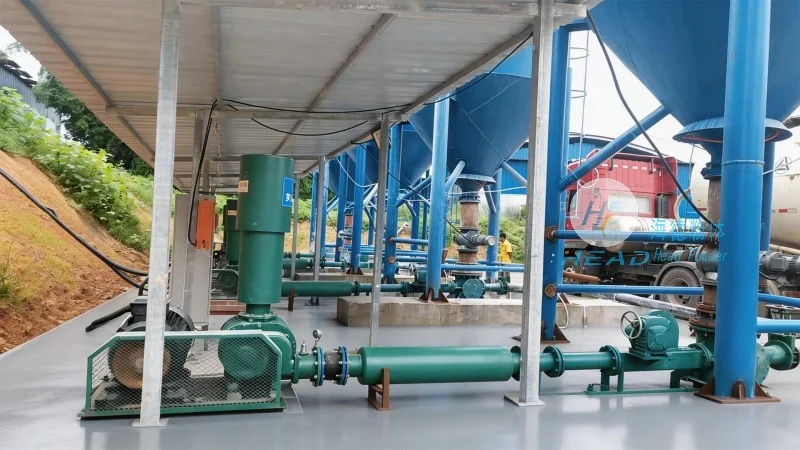
The company's design team leverages extensive experience in material handling to develop customized solutions that address specific challenges faced by clients. Whether it's handling delicate pharmaceuticals or processing bulk food ingredients, HeadPowder's systems are tailored to meet the unique requirements of each application. The integration of advanced control systems and sensors allows for real-time monitoring and adjustment, ensuring optimal performance and safety.
Low-pressure material handling systems play a vital role in modern industrial operations, offering a sustainable and efficient solution for transporting bulk materials. By adhering to fundamental design principles, these systems ensure that materials are handled gently and safely, minimizing the risk of damage and contamination. The technology's adaptability and flexibility make it suitable for a wide range of applications, from pharmaceuticals to food processing and chemicals.
As industries continue to evolve and demand higher standards of product quality and safety, the importance of low-pressure material handling will only grow. Companies like Shandong HeadPowder Engineering Co., Ltd. are at the forefront of developing innovative solutions that meet these evolving needs, ensuring that material handling remains a reliable and efficient component of industrial operations.

 Shandong Headpowder Engineering Co., Ltd.
 156-6277-7102(Manager Zhang)
  0531-83386006
  Zhangqiu District, Jinan City, Shandong Province, China
telephone
WeChatconsult
top