With more than 10‑year industry experience, Shandong Headpowder delivers full‑service pneumatic‑conveying systems and blowers, undertaking nationwide turn‑key powder‑handling projects.
For industrial applications involving the transport of resin powders, efficient and reliable material handling systems are crucial. The pneumatic conveying line, specifically designed for resin powder materials, represents a sophisticated solution that integrates advanced engineering principles with practical operational considerations. This article delves into the underlying principles of such systems and highlights the key characteristics of their working environments, providing insights into how these technologies optimize material transport in industrial settings.
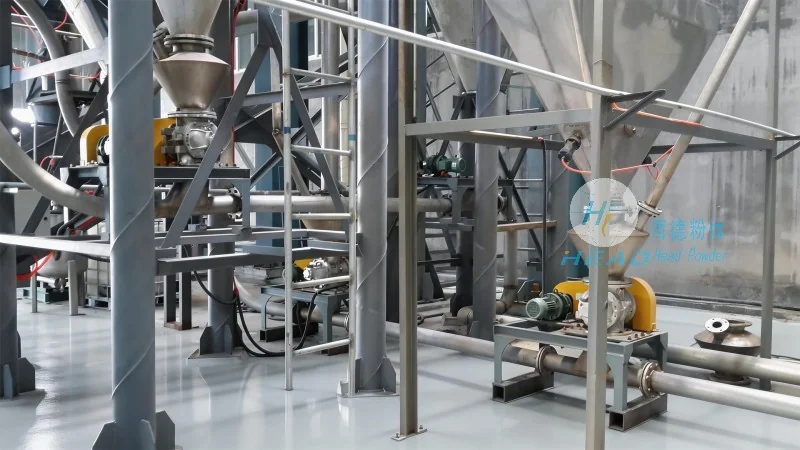
Resin powder material pneumatic conveying lines are specialized equipment used to transport dry, fine resin powders from one location to another within industrial facilities. These systems utilize air or gas as the primary medium to move the material, eliminating the need for mechanical components like belts or buckets that might be prone to wear or contamination. The technology is widely adopted in sectors such as plastics manufacturing, chemical processing, and pharmaceuticals, where the purity and integrity of resin powders are paramount. The core components of a typical pneumatic conveying line include a hopper for material storage, a conveyor line (either positive or negative pressure), and a receiver for the discharged material. The system operates by creating a pressure differential that propels the resin powder through the pipeline, ensuring a continuous and controlled flow.
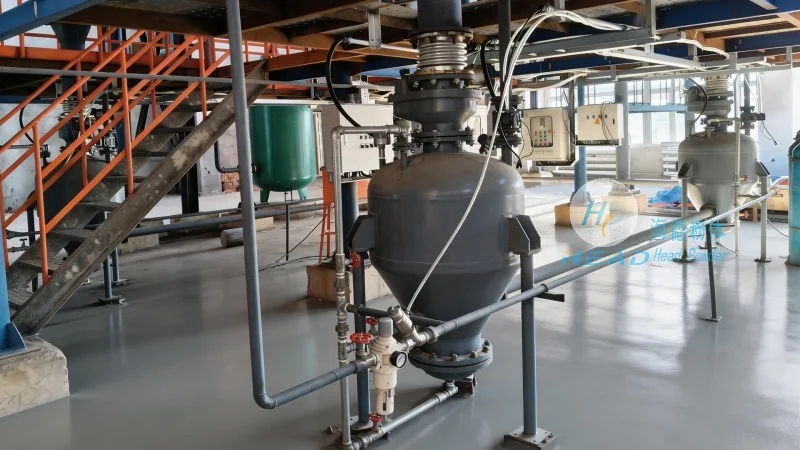
The principle of pneumatic conveying for resin powders is based on the interaction between the material particles and the air stream. In a positive pressure system, air is blown into the hopper, forcing the resin powder into the pipeline. Conversely, a negative pressure system draws air and material from the hopper into the line using a vacuum. The key to efficient operation lies in maintaining the correct air-to-material ratio, which ensures that the powder remains suspended in the air stream without settling or clogging the pipeline. This ratio is critical for preventing blockages and ensuring consistent flow rates. The design of the conveying line, including the diameter of the pipes, the length of the run, and the placement of bends and valves, all influence the system's performance. Proper sizing and layout are essential to minimize pressure drop and energy consumption while maximizing material throughput.
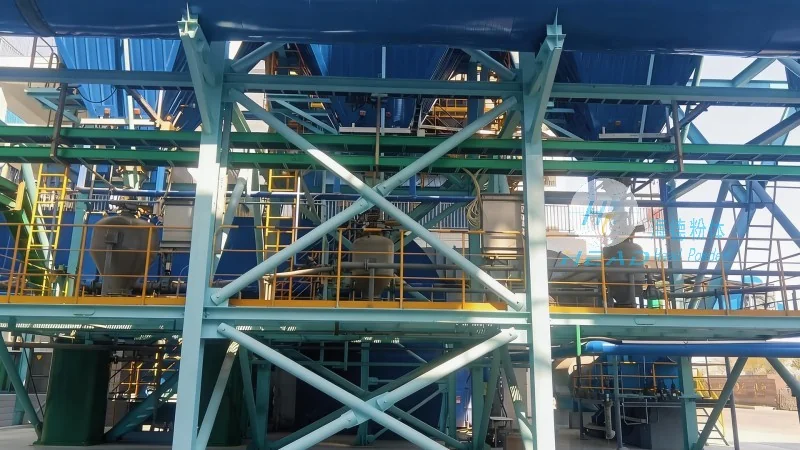
The working scene characteristics of resin powder pneumatic conveying lines are shaped by several factors that impact their effectiveness and reliability. First, the environment in which the system operates, such as temperature and humidity, can affect the properties of the resin powder and the performance of the conveying equipment. For instance, high humidity may cause resin powders to clump, leading to operational issues. Therefore, many systems incorporate drying or conditioning steps to maintain optimal material characteristics. Second, the scale of the operation, whether it is a small-scale laboratory setup or a large-scale industrial production line, dictates the system's capacity and complexity. Large-scale systems often require multiple conveying lines or parallel pipelines to handle high material volumes, while smaller systems may use simpler, single-line configurations. Third, the layout of the industrial facility plays a significant role in determining the feasibility and efficiency of the conveying line. The distance between the source and destination, the presence of obstacles, and the need for vertical or horizontal transport all influence the design and installation of the system. Additionally, the integration of the pneumatic conveying line with other equipment, such as mixers, extruders, or storage tanks, requires careful coordination to ensure seamless material flow and avoid bottlenecks.
Resin powder pneumatic conveying lines offer several advantages that make them a preferred choice for material handling in various industries. One of the primary benefits is the ability to transport materials in a closed system, which prevents contamination from external sources and minimizes dust emissions. This is particularly important for resin powders, which may be sensitive to moisture or air exposure. The closed system also enhances safety by reducing the risk of dust explosions, a common concern in powder handling operations. Another advantage is the flexibility of the system, which allows for easy reconfiguration or expansion as production needs change. For example, additional conveying lines can be added to accommodate increased production volumes without major modifications to the existing infrastructure. The systems are also energy-efficient compared to traditional mechanical conveying methods, as they use less power per unit of material transported. This efficiency translates into lower operational costs and reduced environmental impact. In terms of applications, resin powder pneumatic conveying lines are widely used in the production of plastic resins, where they transport raw materials to processing equipment like extruders and mixers. They are also employed in the pharmaceutical industry for transporting active ingredients and excipients, ensuring that the materials remain sterile and uncontaminated. Additionally, in the chemical industry, these systems are used to handle various types of powders, including catalysts and additives, which require precise and controlled transport to maintain product quality.
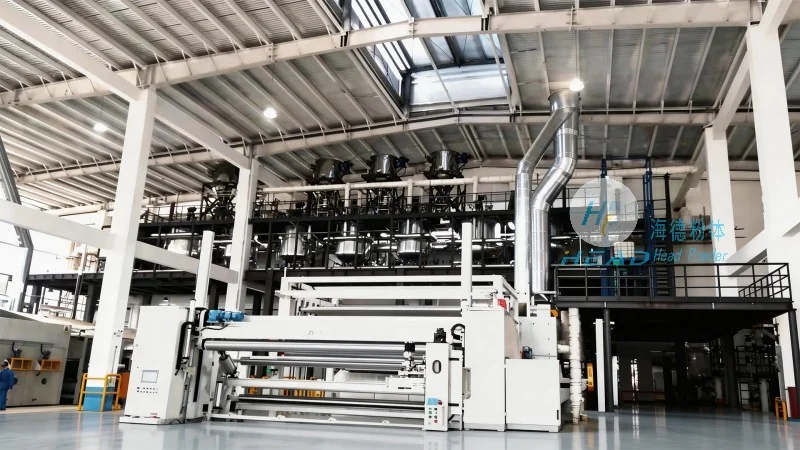
In conclusion, resin powder material pneumatic conveying lines are advanced engineering solutions that combine efficient material transport with operational reliability. The principles underlying these systems, such as maintaining the correct air-to-material ratio and optimizing pipeline design, are critical to their performance. The working scene characteristics, including environmental conditions, scale of operation, and facility layout, all influence the effectiveness of the system. The advantages of closed systems, flexibility, and energy efficiency make them indispensable in modern industrial settings. As the demand for efficient and safe material handling continues to grow, the importance of these technologies will only increase. Shandong HeadPowder Engineering Co., Ltd., a leading provider of such systems, specializes in designing and manufacturing customized pneumatic conveying solutions tailored to the specific needs of clients. With a focus on innovation and quality, the company ensures that its products meet the highest standards of performance and reliability, supporting the efficient operation of industrial facilities worldwide. The company's headquarters is located in Shandong, China, where it leverages advanced manufacturing capabilities and technical expertise to deliver cutting-edge material handling solutions to industries worldwide.

 Shandong Headpowder Engineering Co., Ltd.
 156-6277-7102(Manager Zhang)
  0531-83386006
  Zhangqiu District, Jinan City, Shandong Province, China
telephone
WeChatconsult
top