With more than 10‑year industry experience, Shandong Headpowder delivers full‑service pneumatic‑conveying systems and blowers, undertaking nationwide turn‑key powder‑handling projects.
Efficient material handling is a critical factor in modern industrial operations, and pneumatic conveying equipment has emerged as a reliable solution for transporting additive materials. This article explores the fundamental principles behind such equipment and highlights its key application scenarios, providing insights into how it enhances operational efficiency across various industries.
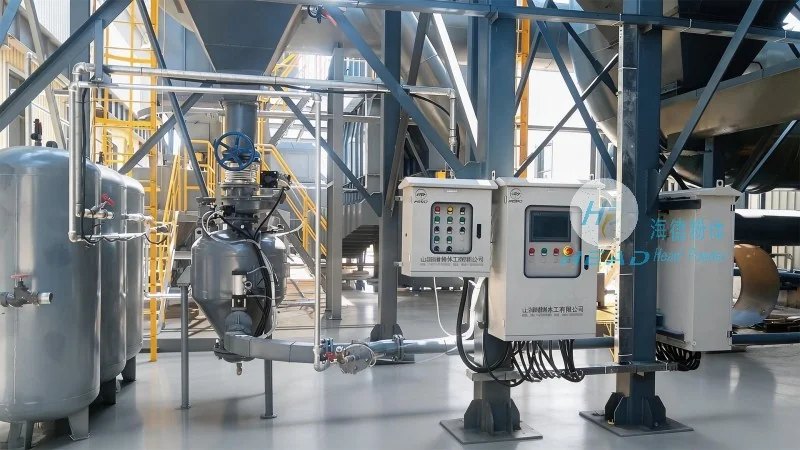
Pneumatic conveying equipment utilizes air or gas to transport bulk materials from one location to another. The technology is based on the principle of creating a pressure differential to move particles through a pipeline. There are two primary types of pneumatic conveying systems: positive pressure and negative pressure. Positive pressure systems blow air into the pipeline, pushing material forward, while negative pressure systems create a vacuum to draw material into the pipeline. Both methods are effective, but the choice depends on the material properties, distance, and environmental considerations.
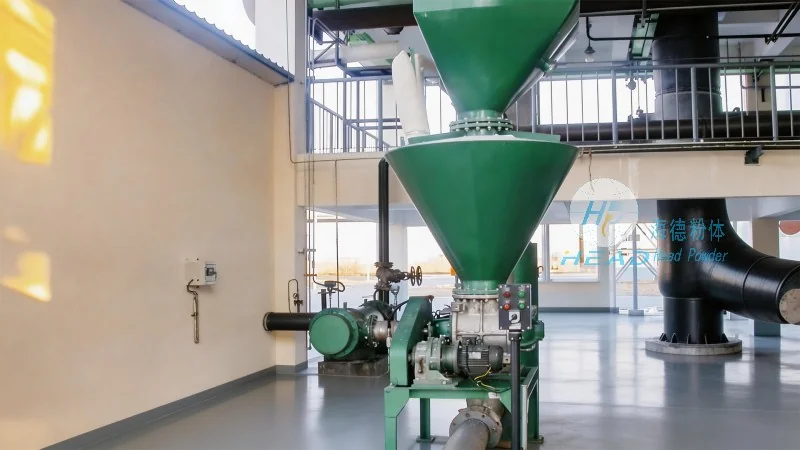
The core principle of pneumatic conveying involves the interaction between the material and the air stream. When air is introduced into a hopper containing the additive material, it creates a flow of particles that are entrained by the air. The velocity of the air must be sufficient to overcome the gravitational force acting on the particles and any friction within the pipeline. The design of the conveying system, including the size of the pipeline, the air velocity, and the material's density and particle size, all play crucial roles in ensuring smooth and efficient transport. Proper design minimizes material degradation, reduces energy consumption, and ensures consistent flow rates.
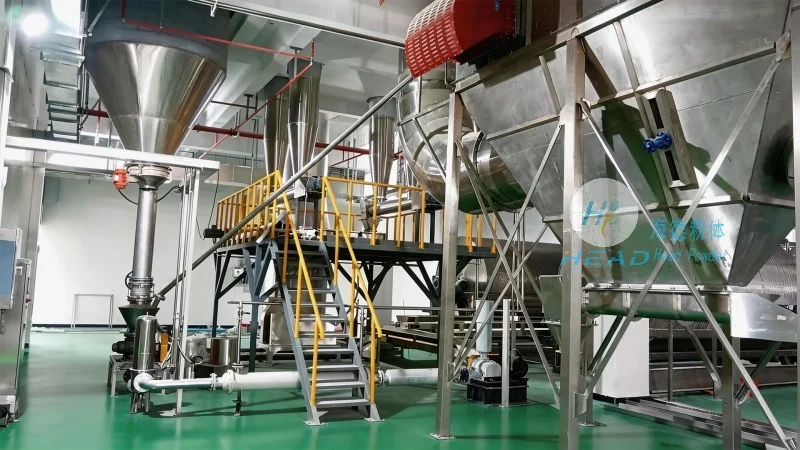
Pneumatic conveying equipment is widely used in industries that handle fine or powdery additives. In the chemical industry, it is essential for transporting raw materials, intermediates, and finished products, such as pigments, catalysts, and specialty chemicals. The equipment's ability to handle abrasive and corrosive materials makes it suitable for these applications. In the food and beverage sector, pneumatic conveying is used to transport ingredients like spices, flavorings, and vitamins, ensuring hygiene and preventing contamination. The food-grade materials and stainless steel construction of the equipment meet stringent regulatory requirements. The pharmaceutical industry also relies on pneumatic conveying for transporting active pharmaceutical ingredients (APIs) and excipients, where precision and contamination control are paramount. Additionally, in the mining and minerals sector, it is used to transport ores and concentrates, enabling efficient processing and reduced handling costs.
Compared to traditional methods like belt conveyors or bucket elevators, pneumatic conveying offers several advantages. It provides a closed system, which minimizes dust emissions and protects the material from environmental contamination. This is particularly important for additive materials that are sensitive to moisture or air exposure. The equipment is also flexible, allowing for changes in the conveying route without major structural modifications. It can handle a wide range of material properties, including fine powders, granules, and even liquids when combined with appropriate nozzles. The energy efficiency of modern pneumatic conveying systems is another key benefit, as they can achieve high material throughput with lower power consumption compared to other methods. Furthermore, the system's ability to integrate with other processing equipment, such as mixers and reactors, enhances overall plant efficiency.
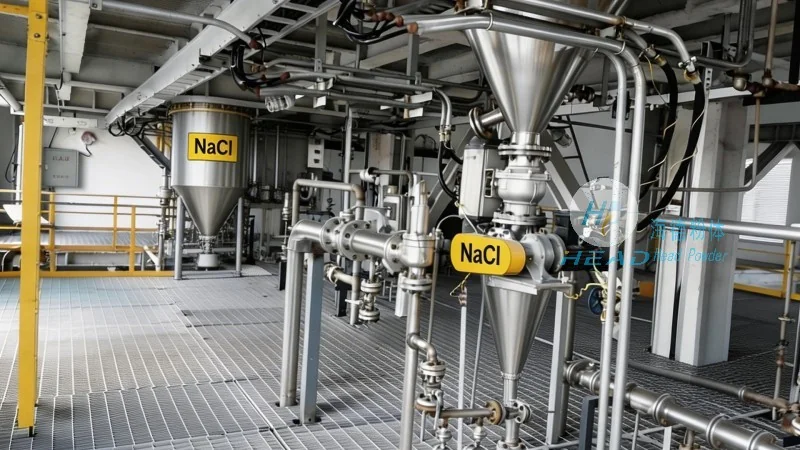
HeadPowder, a leading manufacturer of pneumatic conveying equipment, specializes in providing customized solutions for additive material handling. With a strong commitment to quality and innovation, the company has built a reputation for delivering reliable and efficient systems to clients worldwide. HeadPowder's products are designed to meet the specific needs of various industries, ensuring optimal performance and durability. The company's headquarters is located in Shandong, China, where it maintains state-of-the-art manufacturing facilities and research centers. This location allows for close collaboration with clients and rapid response to their requirements. HeadPowder's team of engineers and technicians has extensive experience in the field, enabling them to develop tailored solutions that address the unique challenges of each application.

 Shandong Headpowder Engineering Co., Ltd.
 156-6277-7102(Manager Zhang)
  0531-83386006
  Zhangqiu District, Jinan City, Shandong Province, China
telephone
WeChatconsult
top