With more than 10‑year industry experience, Shandong Headpowder delivers full‑service pneumatic‑conveying systems and blowers, undertaking nationwide turn‑key powder‑handling projects.
For businesses in the agricultural and food processing sectors, efficient handling of soybean grain powder is crucial for maintaining production efficiency and product quality. The operation process and working principle of specialized conveying equipment designed for this purpose are essential to understand, as they directly impact the reliability and performance of the entire system. This article provides a detailed overview of the operation process and working principles of soybean grain powder conveying equipment, highlighting the key components and mechanisms involved.
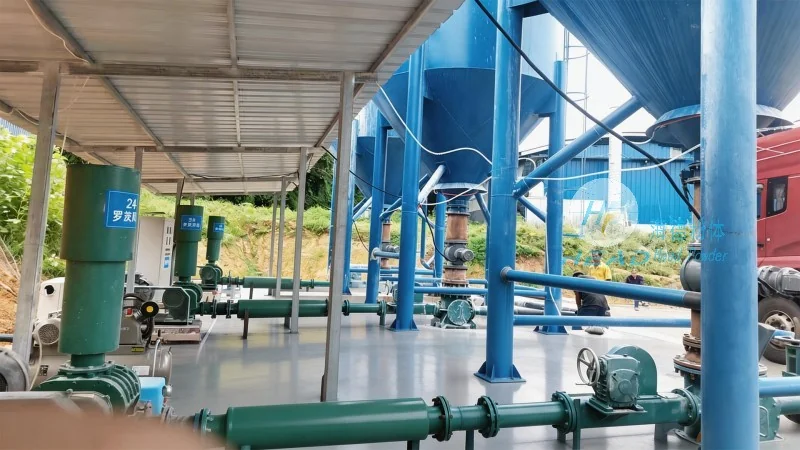
HeadPowder, a leading manufacturer in the field, offers advanced solutions for powder handling. Based in Shandong, China, Shandong HeadPowder Engineering Co., Ltd. specializes in the design, manufacturing, and integration of conveying systems tailored to the unique requirements of soybean processing. Their expertise ensures that equipment is engineered to handle the specific properties of soybean grain powder, such as moisture content, particle size, and flow characteristics, optimizing performance and minimizing operational challenges.
Soybean grain powder conveying equipment is designed to transport soybean powder from storage silos or processing units to downstream equipment like processing lines, packaging systems, or storage areas. The equipment typically includes components such as hoppers, feeders, conveyor mechanisms (e.g., pneumatic or mechanical), and control systems. These components work in tandem to ensure a consistent and controlled flow of powder, preventing issues like clogging, segregation, or material loss.
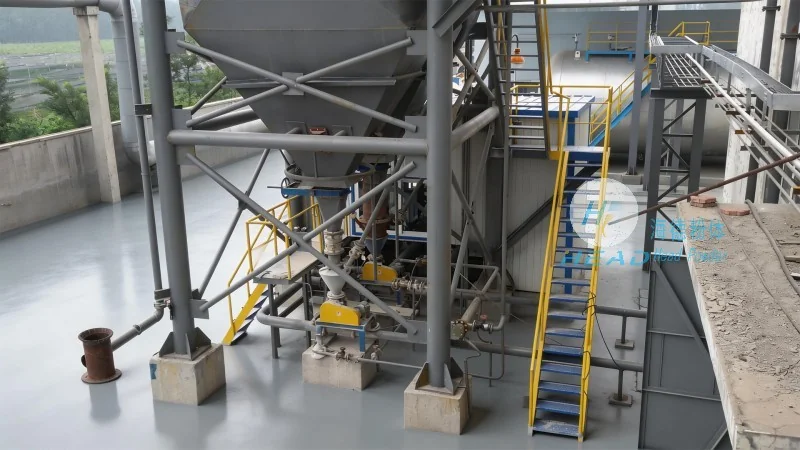
The operation process of soybean grain powder conveying equipment involves several sequential steps that ensure smooth and efficient material movement. Initially, the soybean grain powder is stored in a hopper or silo, where it is held under controlled conditions to maintain its quality. A feeder, often a rotary valve or a screw feeder, regulates the flow of powder from the storage vessel into the conveying system. The feeder controls the rate of material discharge, ensuring a steady supply to the conveyor. Next, the conveyor mechanism, which may be pneumatic (using air pressure to move the powder) or mechanical (using belts, buckets, or screws), transports the powder to the destination. Pneumatic systems are particularly effective for handling fine powders like soybean grain powder, as they can minimize product degradation and prevent contamination. The conveying process is monitored by a control system that adjusts parameters like air pressure, feed rate, and conveyor speed based on real-time feedback from sensors. This ensures that the system operates within optimal parameters, adapting to changes in powder characteristics or demand.
The working principle of soybean grain powder conveying equipment is based on the physics of powder flow and the mechanics of conveying systems. For mechanical conveyors, the principle involves using a moving surface (e.g., a belt or screw) to lift and move the powder. The screw conveyor, for example, uses a rotating screw to push the powder forward, while the belt conveyor uses a moving belt to transport the material. The design of these components is critical, as they must handle the specific properties of soybean grain powder, such as its tendency to flow or settle. Pneumatic conveyors operate on the principle of air movement: compressed air is used to create a flow of air and powder, moving the material through a pipeline. The air velocity is carefully controlled to ensure that the powder is carried without excessive pressure drop or degradation. The system includes a blower or compressor to generate the necessary air pressure, and a filter to remove any particles from the air stream. The control system monitors the pressure and flow rate to maintain consistent performance.
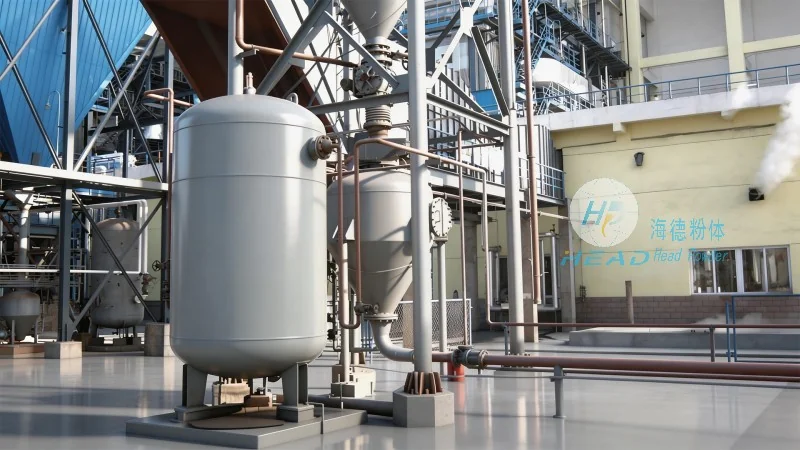
Several key components are integral to the operation of soybean grain powder conveying equipment. The hopper or silo serves as the storage vessel, providing a stable source of material. The feeder regulates the initial flow of powder, preventing overloading or underloading of the conveyor. The conveyor mechanism (either pneumatic or mechanical) is the core of the system, responsible for transporting the powder. The control system ensures that all components operate in harmony, adjusting parameters as needed to maintain optimal performance. Sensors and monitoring devices are also used to detect issues like blockages or changes in powder flow, triggering alerts or automatic adjustments to prevent system downtime.
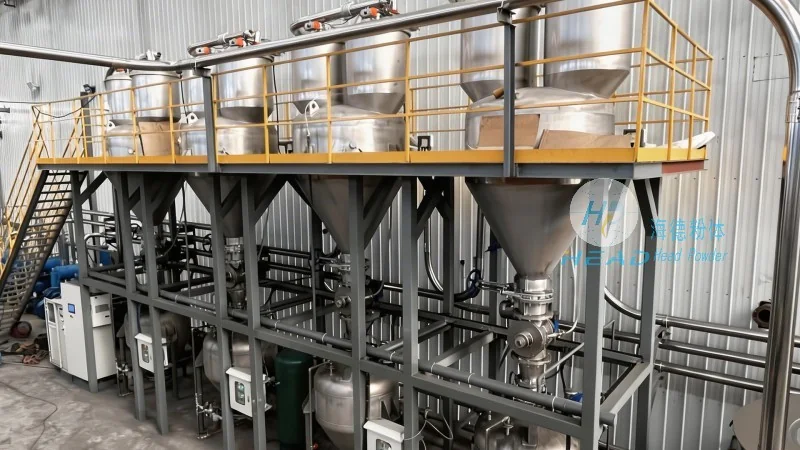
Utilizing specialized soybean grain powder conveying equipment offers numerous benefits for businesses in the agricultural and food processing industries. These include improved efficiency in material handling, reduced labor costs, and enhanced product quality. The equipment minimizes material loss and contamination, ensuring that the soybean powder remains in optimal condition for processing. Additionally, the controlled flow and consistent delivery of powder improve the performance of downstream equipment, leading to higher overall productivity. The advanced control systems also provide real-time monitoring and data collection, enabling businesses to optimize their operations and identify areas for improvement.
In conclusion, the operation process and working principle of soybean grain powder conveying equipment are critical to the efficient handling of soybean powder in industrial settings. By understanding these processes, businesses can select and implement the most suitable equipment for their needs, ensuring optimal performance and product quality. HeadPowder, with its expertise in powder handling systems, offers reliable solutions that are tailored to the specific requirements of soybean processing, helping businesses achieve their operational goals while maintaining high standards of quality and efficiency.

 Shandong Headpowder Engineering Co., Ltd.
 156-6277-7102(Manager Zhang)
  0531-83386006
  Zhangqiu District, Jinan City, Shandong Province, China
telephone
WeChatconsult
top