

Operation Process and Working Principle of Corundum Powder Handling Equipment
Corundum powder, a high-performance abrasive material widely used in industrial applications, requires specialized handling equipment to ensure efficient and safe transportation. The operation process and working principle of corundum powder handling equipment are critical for maintaining product integrity and operational efficiency. This article provides a detailed overview of the equipment's functionality, focusing on the key components, operational steps, and technical aspects that contribute to its effectiveness.
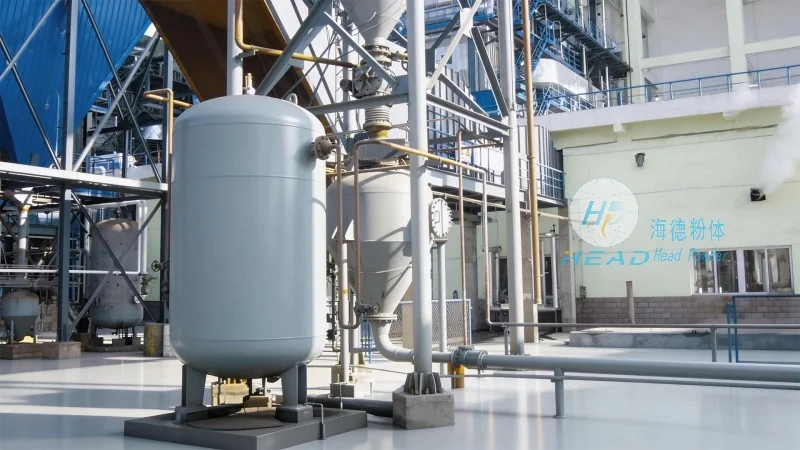
Introduction to Corundum Powder Handling Equipment
Corundum, with its exceptional hardness and chemical stability, is a vital component in various industries, including refractory manufacturing, grinding media production, and surface treatment. The handling of corundum powder demands equipment capable of managing its abrasive nature while preventing contamination and loss. HeadPowder, a leading manufacturer based in Shandong, China, specializes in developing advanced powder handling systems tailored to the unique requirements of corundum powder. The company's expertise in engineering and material science ensures that their equipment meets the highest standards of performance and reliability.
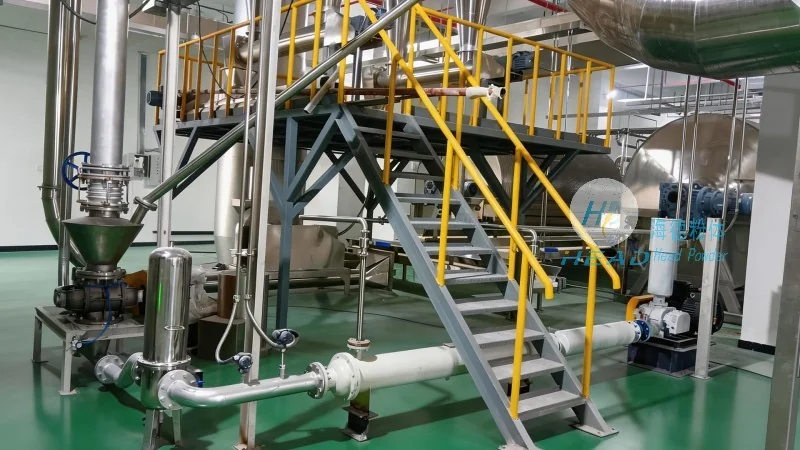
Key Components and Their Roles
The corundum powder handling equipment typically consists of several interconnected components, each playing a crucial role in the overall operation. The primary components include the hopper, feeder, conveyor system, and control unit. The hopper serves as the storage vessel, designed with a sloped bottom to facilitate material flow. It is constructed from durable materials, such as stainless steel or high-grade alloys, to withstand the abrasive effects of corundum powder. The feeder, often a rotary or vibratory type, regulates the flow rate of the powder from the hopper to the conveyor. This component ensures a consistent and controlled discharge, preventing overloading or underflow that could disrupt the process. The conveyor system, which may include screw conveyors, pneumatic transport lines, or mechanical belt conveyors, transports the powder from the feeder to the discharge point. The choice of conveyor type depends on the specific application, such as the distance to be covered and the required throughput. The control unit, equipped with sensors and a programmable logic controller (PLC), monitors and controls the entire system. It adjusts the feeder speed, monitors pressure and flow rates, and provides real-time feedback to maintain optimal operation. Additionally, the equipment may include dust collection systems and sealing mechanisms to minimize dust emissions and prevent material leakage.
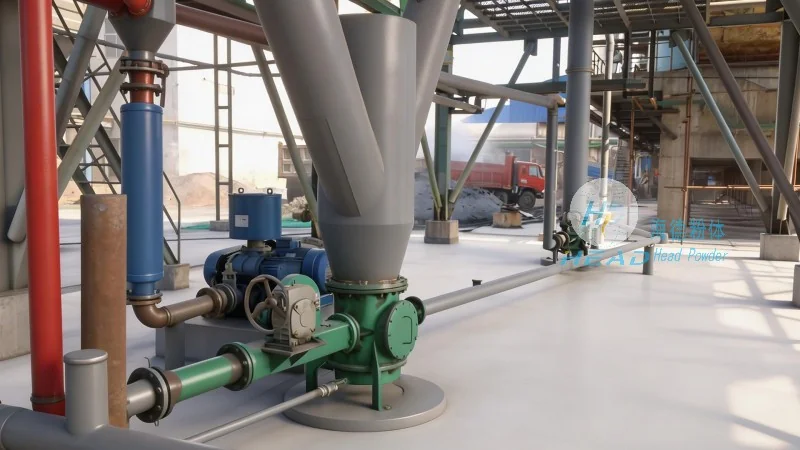
Operation Process of Corundum Powder Handling Equipment
The operation process of corundum powder handling equipment begins with the loading of the hopper. The powder is fed into the hopper from a bulk storage or processing unit. Once the hopper is filled, the feeder starts to rotate or vibrate, gradually releasing the powder into the conveyor system. The conveyor then transports the powder to the discharge point, which may be a storage silo, a processing machine, or a packaging unit. The control unit continuously monitors the system parameters, such as the flow rate, pressure, and temperature, to ensure that the operation remains within the desired range. If any parameter deviates from the set point, the control unit triggers an alarm or adjusts the feeder speed to correct the issue. The entire process is automated, reducing the need for manual intervention and minimizing the risk of human error. The equipment is designed to operate continuously, with minimal downtime for maintenance or cleaning. Regular maintenance, including the inspection of seals, bearings, and conveyor components, is essential to maintain the equipment's performance and longevity.
Working Principle of the Equipment
The working principle of corundum powder handling equipment is based on the principles of material flow and mechanical transport. The hopper's sloped design allows gravity to assist in the material flow, reducing the need for external power to move the powder. The feeder regulates the flow rate by controlling the speed of rotation or vibration, ensuring a steady and controlled discharge. The conveyor system uses mechanical or pneumatic forces to move the powder along the designated path. Screw conveyors, for example, utilize rotating screws to push the powder forward, while pneumatic systems use compressed air to create a flow of air and powder mixture. The control unit integrates sensors, such as pressure transducers and flow meters, to measure the system's performance and adjust the operation accordingly. This closed-loop control system ensures that the equipment operates efficiently and safely, minimizing energy consumption and maximizing throughput. The equipment is also designed with safety features, such as emergency stop buttons and interlocks, to prevent accidents and protect operators. The dust collection system, often integrated with the conveyor, captures any airborne particles, reducing the risk of dust exposure and environmental contamination.
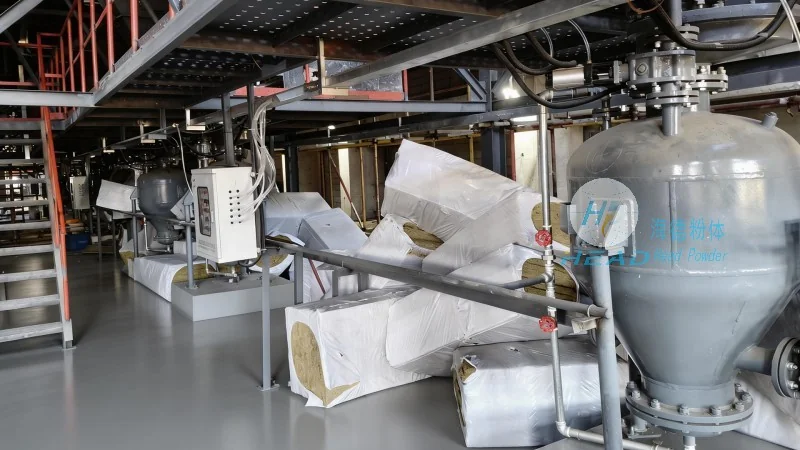
Advantages and Applications
The corundum powder handling equipment developed by HeadPowder offers several advantages, making it suitable for various industrial applications. The equipment's robust construction ensures durability and long service life, even in harsh operating conditions. The automated control system enhances operational efficiency, reducing labor costs and minimizing downtime. The equipment is also designed to maintain the purity of the corundum powder, preventing contamination from external sources. This is particularly important in applications where the powder's quality directly impacts the final product's performance. The equipment is widely used in the refractory industry, where corundum is used to produce high-temperature resistant materials. It is also used in the grinding media industry, where the powder is used to manufacture grinding balls and media. Additionally, the equipment is suitable for surface treatment applications, where the powder is used for polishing and finishing. The equipment's versatility and adaptability make it a valuable asset for any industrial facility that handles corundum powder.