With more than 10‑year industry experience, Shandong Headpowder delivers full‑service pneumatic‑conveying systems and blowers, undertaking nationwide turn‑key powder‑handling projects.
For industrial applications involving the transportation and processing of powders and flour, specialized equipment is essential to ensure efficiency, safety, and product integrity. This article provides an in-depth look at the operation process and working principle of such equipment, highlighting key components and the systematic approach to material handling. The discussion is based on the expertise of Shandong HeadPowder Engineering Co., Ltd., a leading manufacturer based in China.
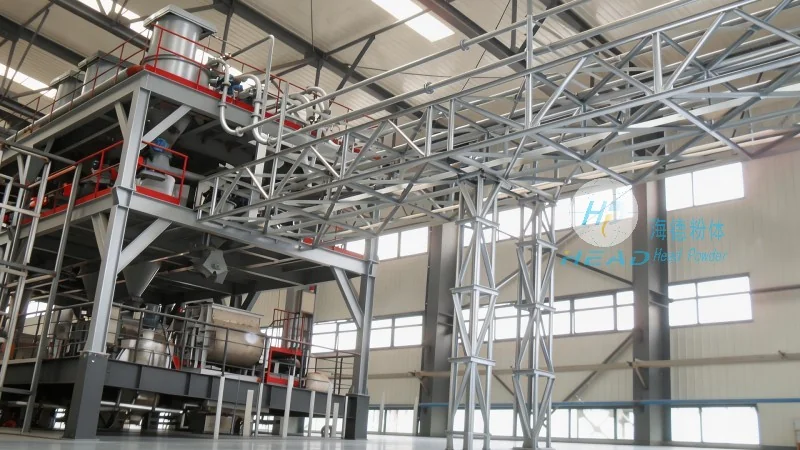
The powder and flour handling equipment typically consists of several integrated components that work in tandem to achieve seamless material movement. At the core of the system is the feeding mechanism, which is responsible for introducing the bulk material into the processing line. This may involve hoppers, feeders, or pneumatic systems, depending on the specific requirements of the application. The feeding component ensures a consistent and controlled flow of material, preventing overloading or underfeeding that could disrupt the entire operation.
Following the feeding stage, the material is directed into the main conveying section. This is where the primary transportation occurs, utilizing technologies such as pneumatic conveying, screw conveyors, or bucket elevators. The choice of conveying method depends on factors like material properties (e.g., dustiness, moisture content), particle size, and the distance to be covered. For example, pneumatic systems are ideal for fine powders that are prone to dust, as they can transport material through pipelines with minimal contamination. In contrast, mechanical conveyors like screw or belt conveyors are suitable for bulkier materials or when a closed system is not required.
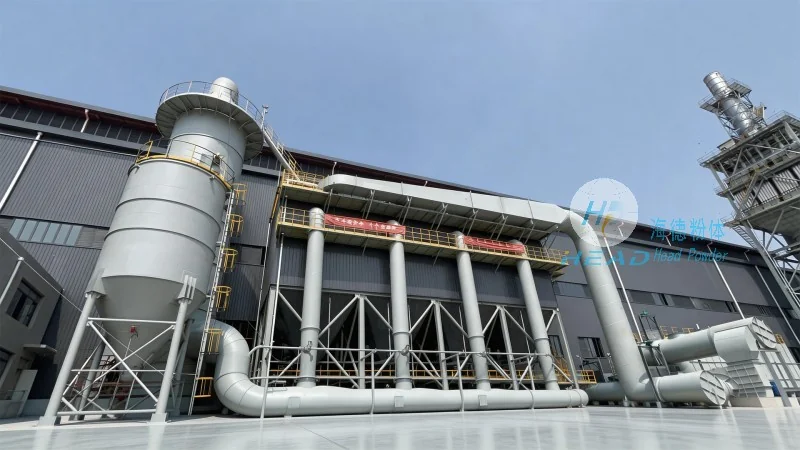
The operation of the powder and flour handling equipment follows a structured sequence that ensures optimal performance. The first step involves material intake, where the hopper or feeder collects the raw material from the storage silo or bulk container. The material is then fed into the conveying system at a controlled rate, as regulated by the control panel. This stage is critical for maintaining a steady flow and preventing blockages or surges.
Once the material enters the conveying section, it is transported to the next processing stage or storage location. The conveying system may include multiple segments, such as horizontal and vertical pipelines, to navigate changes in elevation or direction. Sensors and monitoring devices are integrated into the system to track the material level, flow rate, and pressure, providing real-time data to the control system. This allows for immediate adjustments if any deviations occur, ensuring the process remains stable.
At the destination, the material is discharged into a receiving hopper or silo. The discharge mechanism is designed to minimize spillage and maintain product quality. For example, rotary valves or gate valves are commonly used to control the outflow of material, preventing dust emission and ensuring a clean transfer. The entire operation is managed by a centralized control system, which coordinates the functions of all components and adapts to varying operational conditions.
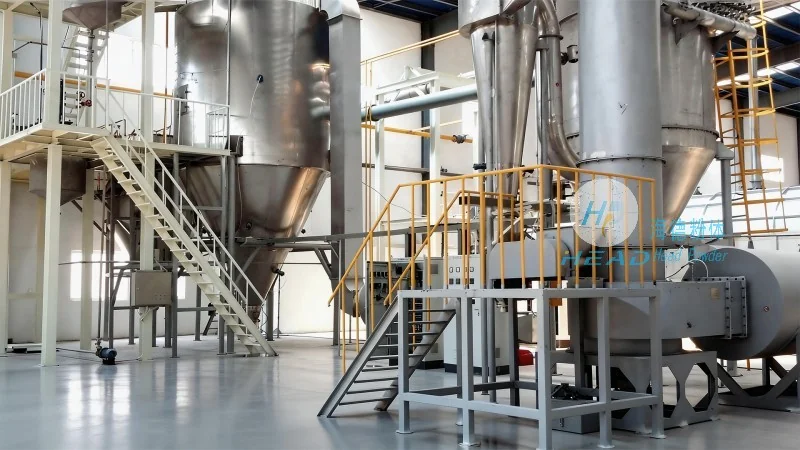
The working principle of the powder and flour handling equipment is rooted in the interaction between mechanical components and electronic control systems. The mechanical part includes the feeding, conveying, and discharge units, which physically move the material through the system. The control system, on the other hand, monitors and regulates the operation of these components. It uses sensors to detect parameters like pressure, temperature, and material level, and adjusts the motor speeds or valve positions accordingly.
For instance, in a pneumatic conveying system, the control system manages the air pressure and flow rate to ensure the material is transported efficiently. The system may use positive or negative pressure depending on the application, with positive pressure being suitable for short-distance conveying and negative pressure for longer distances or when dealing with fine powders. The control panel also includes safety features, such as emergency stop buttons and overload protection, to prevent accidents and equipment damage.
The integration of mechanical and control systems allows for a highly automated and reliable operation. This not only improves productivity but also reduces labor costs and minimizes the risk of human error. The equipment is designed to handle a wide range of materials, from fine flour to coarse grains, with minimal adjustments to the control settings. This versatility makes it suitable for various industries, including food processing, pharmaceuticals, and chemical manufacturing.
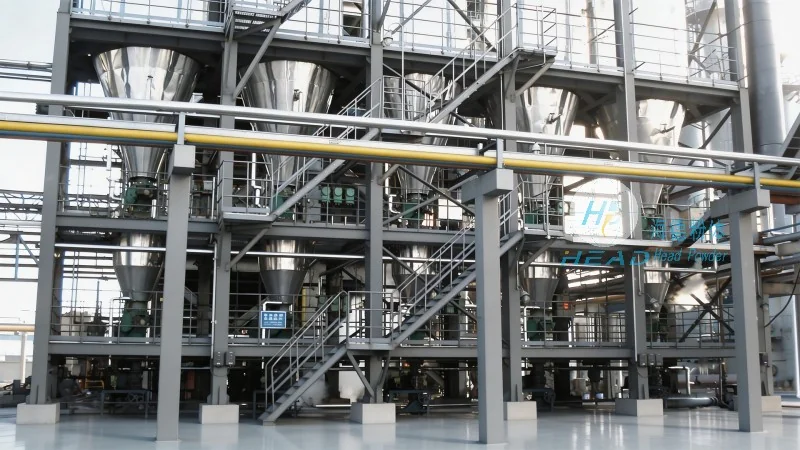
Powder and flour handling equipment plays a vital role in modern industrial operations, enabling the efficient processing and transportation of bulk materials. Its applications span across multiple sectors, where consistent and safe material handling is crucial. In the food industry, for example, such equipment is used to transport flour, sugar, and other ingredients from storage to production lines, ensuring that the final products meet quality standards. In the pharmaceutical industry, the equipment is employed to handle powders and granules, maintaining strict hygiene and contamination control.
The equipment from Shandong HeadPowder Engineering Co., Ltd. is engineered to meet the specific needs of these industries, with features tailored to handle different material characteristics. The company’s expertise in designing and manufacturing such systems has contributed to improved operational efficiency and product quality in various applications. By providing reliable and efficient solutions, the company helps businesses optimize their production processes and reduce downtime.

 Shandong Headpowder Engineering Co., Ltd.
 156-6277-7102(Manager Zhang)
  0531-83386006
  Zhangqiu District, Jinan City, Shandong Province, China
telephone
WeChatconsult
top