

Operation Process and Working Principle of Anhydrous Aluminum Chloride Powder Conveying System
Shandong HeadPowder Engineering Co., Ltd. specializes in providing advanced powder handling solutions, with a particular focus on systems designed for anhydrous aluminum chloride. This chemical, widely used in industrial applications, requires specialized equipment to ensure safe and efficient transportation. The anhydrous aluminum chloride powder conveying system is engineered to meet these demands, integrating robust components and precise control mechanisms to facilitate reliable powder transfer.
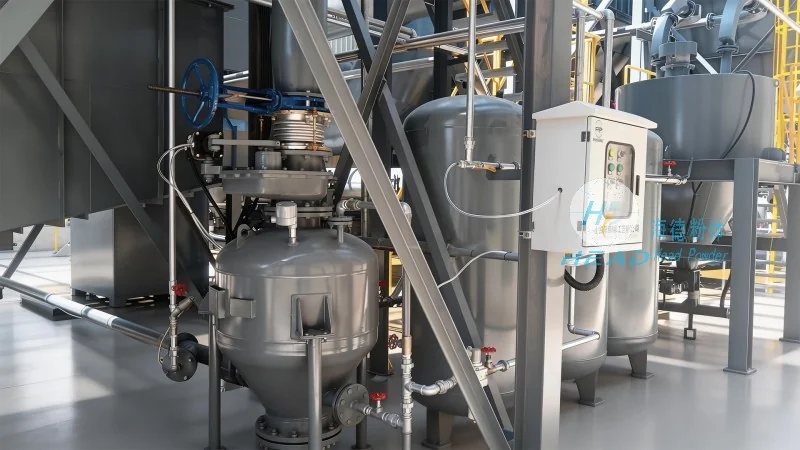
System Overview and Core Components
The anhydrous aluminum chloride powder conveying system comprises several key components that work in tandem to achieve efficient operation. The primary components include a storage hopper, a conveyor mechanism (such as a screw or pneumatic conveyor), and a control unit. The hopper serves as the initial storage container, holding the anhydrous aluminum chloride until it is ready for transport. The conveyor system is responsible for moving the powder from the hopper to the discharge point, while the control unit manages the entire process, adjusting parameters like speed and direction as needed.
Operation Process: Step-by-Step Execution
The operation of the anhydrous aluminum chloride powder conveying system follows a systematic sequence to ensure smooth and controlled material transfer. The process begins with the loading of the hopper with anhydrous aluminum chloride. Once the hopper is filled, the control unit activates the conveyor system. Depending on the system design, the conveyor may use mechanical forces (e.g., rotating screws) or pneumatic pressure to move the powder. The control unit monitors the flow rate and adjusts the conveyor speed to maintain a consistent and stable transfer. As the powder moves through the conveyor, it is directed to the discharge point, where it is collected for further processing. The entire operation is designed to minimize downtime and ensure continuous production.
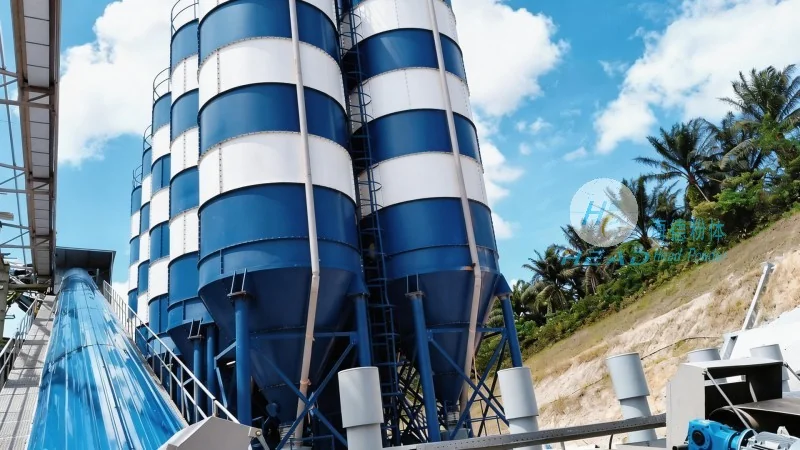
Working Principle: Mechanical and Pneumatic Dynamics
The working principle of the anhydrous aluminum chloride powder conveying system is based on the application of mechanical or pneumatic forces to move the powder. For mechanical conveyors, a rotating screw or belt pushes the material forward, creating a steady flow. This method is effective for handling bulk powders and ensures minimal degradation of the material. Pneumatic systems, on the other hand, use compressed air to create a flow of powder through pipes. The air pressure propels the powder, allowing for longer transport distances and more flexible routing. The system's design incorporates features to maintain the integrity of the anhydrous aluminum chloride, preventing clumping or moisture absorption during transport. This is crucial, as anhydrous aluminum chloride is hygroscopic and can degrade if exposed to moisture or air.
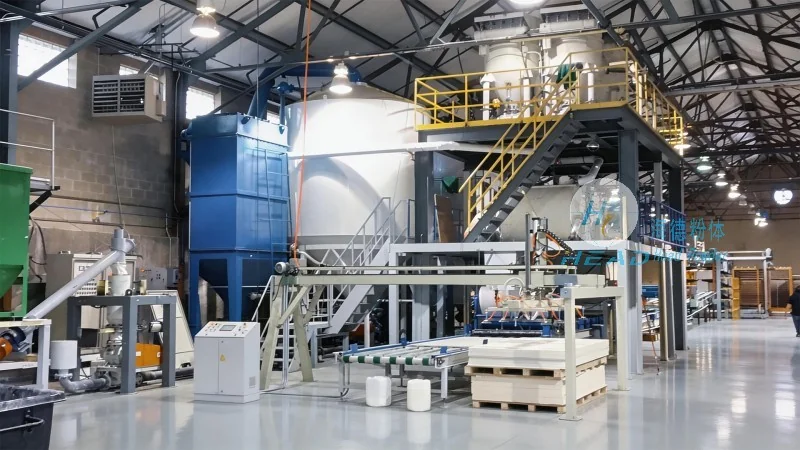
Safety Features and Maintenance Requirements
Given the reactive nature of anhydrous aluminum chloride, the conveying system incorporates multiple safety features to protect operators and equipment. These include dust suppression systems to minimize airborne particles, emergency stop buttons for immediate shutdown, and material flow monitoring to detect blockages or malfunctions. Regular maintenance is essential to ensure the system operates efficiently and safely. This includes checking the condition of conveyor components, inspecting the hopper for wear or damage, and verifying the functionality of the control unit. Proper maintenance not only extends the system's lifespan but also ensures consistent performance and compliance with safety standards.
Applications and Integration in Industrial Settings
The anhydrous aluminum chloride powder conveying system is widely utilized in various industrial sectors, particularly in chemical manufacturing and processing. Its design allows for seamless integration into existing production lines, enhancing overall operational efficiency. The system's ability to handle large volumes of anhydrous aluminum chloride safely and reliably makes it a critical component in facilities that rely on this chemical for their processes. By providing a consistent and controlled flow of material, the system contributes to improved productivity and reduced operational risks in industrial applications.