With more than 10‑year industry experience, Shandong Headpowder delivers full‑service pneumatic‑conveying systems and blowers, undertaking nationwide turn‑key powder‑handling projects.
Wood powder, a common material in various industrial applications, often requires efficient and reliable transportation methods. Pneumatic conveying has emerged as a key technology for handling wood powder, offering advantages such as reduced dust, improved safety, and enhanced process control. This article explores the fundamental principles of pneumatic conveying for wood powder materials and highlights the distinctive characteristics of its working scenarios.
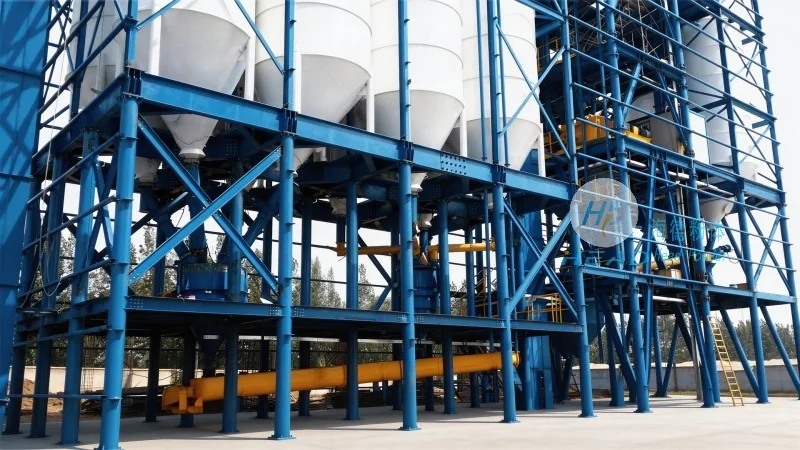
Pneumatic conveying utilizes air or gas to transport solid materials through a pipeline system. In the case of wood powder, the process typically involves creating a flow of air that carries the powder particles. The core principle is based on the balance between the air velocity and the particle size, density, and moisture content of the wood powder. When the air velocity exceeds the minimum conveying velocity (also known as the terminal velocity), the powder particles are entrained and transported through the pipeline. This method can be categorized into two main types: dilute-phase and dense-phase conveying. Dilute-phase systems operate at higher air velocities, allowing for continuous, high-capacity transport, while dense-phase systems use lower air velocities and higher pressure to move the material in a more controlled manner, often with less risk of clogging or degradation of the material.
For wood powder, the choice of conveying system depends on several factors, including the particle size distribution, the required conveying distance, and the desired material handling efficiency. Wood powder particles are generally fine and can be prone to static electricity, which may affect the conveying process. Therefore, proper measures, such as anti-static additives or grounding systems, are often employed to ensure smooth operation. Additionally, the moisture content of the wood powder plays a critical role; higher moisture levels can lead to agglomeration, making the material more challenging to convey. Engineers must consider these factors when designing a pneumatic conveying system for wood powder to optimize performance and minimize operational issues.
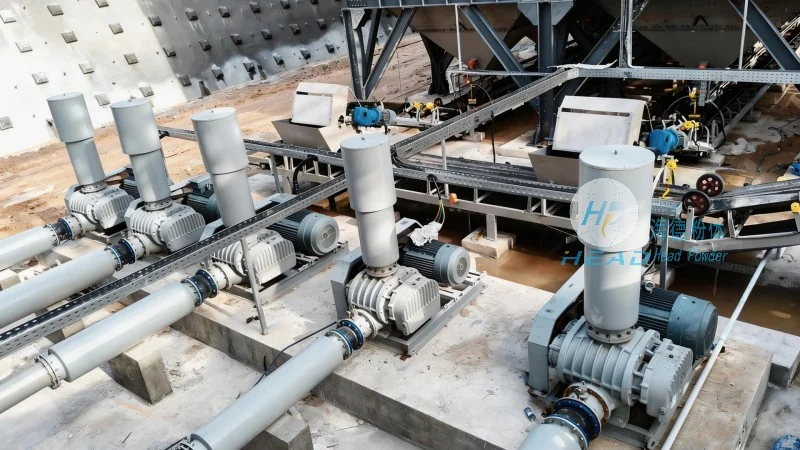
The working scenarios for pneumatic conveying of wood powder vary widely across different industrial applications. These scenarios are characterized by specific operational conditions, equipment configurations, and material handling requirements that influence the overall efficiency and effectiveness of the system.
One common scenario is the transport of wood powder from storage silos to processing units, such as pellet mills or particle board production lines. In this scenario, the system must handle large volumes of material over relatively short distances, often requiring high-capacity dilute-phase conveyors. The design of the pipeline network, including the use of bends, elbows, and expansion joints, is crucial to minimize pressure losses and prevent material deposition. The selection of appropriate air compressors and control systems is also vital to maintain consistent air flow and pressure, ensuring reliable material transport.
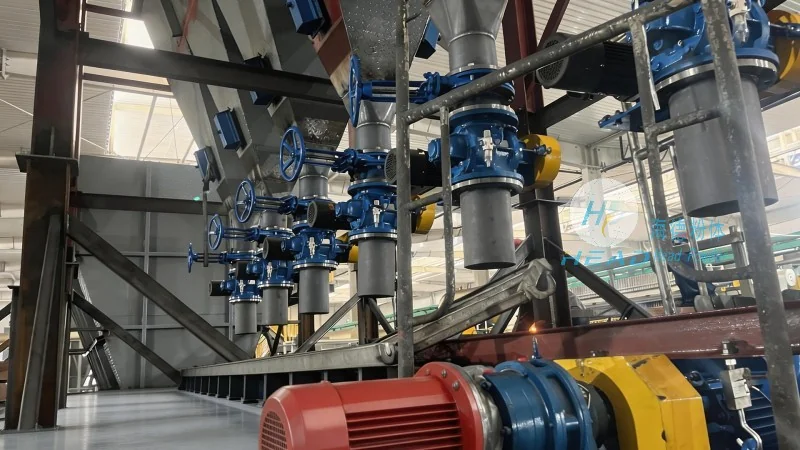
Another scenario involves the conveying of wood powder from processing equipment back to storage or for recycling purposes. This reverse flow, often referred to as return or recirculation conveying, requires specialized equipment to handle the material efficiently without causing blockages or contamination. The system may include cyclone separators or filters to separate the powder from the air stream, allowing for the recovery of the material and the recycling of the air. This approach not only improves material utilization but also enhances overall process sustainability.
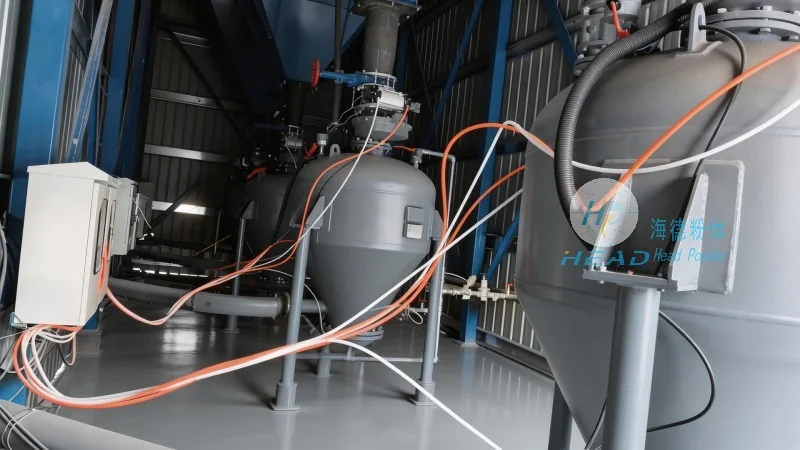
Industrial applications also include the use of pneumatic conveying in wood pellet production, where the material is transported from raw wood to the pelletizing machine. The conveying system must be capable of handling varying particle sizes and moisture levels, as the raw wood is processed into fine wood powder before pelletization. The system's design must account for the potential for material degradation during transport, such as heat generation or moisture loss, which can affect the quality of the final product. Advanced control systems and monitoring tools are often integrated into the conveying process to ensure optimal conditions and prevent quality issues.
Shandong HeadPowder Engineering Co., Ltd., operating under the brand name headpowder, is a leading provider of engineering solutions for material handling and processing. With a focus on innovative technologies and customer-centric approaches, the company specializes in designing and manufacturing pneumatic conveying systems tailored to the unique needs of wood powder and other fine materials. Headpowder's expertise lies in understanding the complexities of material properties and operational requirements, enabling the development of efficient and reliable conveying solutions. The company's facilities are located in Shandong, China, where it leverages local resources and industry knowledge to deliver high-quality products and services to clients worldwide. By combining advanced engineering principles with practical application experience, headpowder aims to enhance the efficiency and sustainability of material handling processes in various industries.

 Shandong Headpowder Engineering Co., Ltd.
 156-6277-7102(Manager Zhang)
  0531-83386006
  Zhangqiu District, Jinan City, Shandong Province, China
telephone
WeChatconsult
top