With more than 10‑year industry experience, Shandong Headpowder delivers full‑service pneumatic‑conveying systems and blowers, undertaking nationwide turn‑key powder‑handling projects.
Cellulose material handling systems are critical components in various industrial applications, particularly in sectors dealing with biomass, agricultural residues, and other organic materials. The equipment designed for transporting and processing cellulose materials plays a pivotal role in enhancing operational efficiency and ensuring consistent material flow. This article explores the fundamental principles underlying such systems and highlights the key characteristics of their working environments, with a focus on solutions provided by Shandong HeadPowder Engineering Co., Ltd., a leading manufacturer in the field.
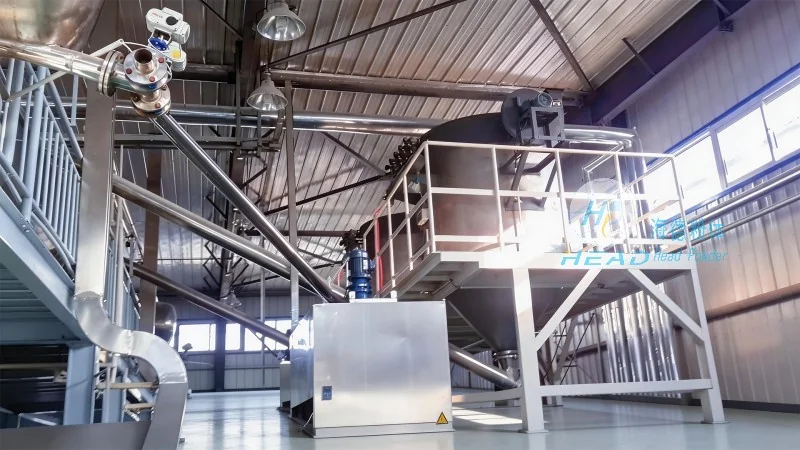
The core principle of cellulose material handling systems revolves around the efficient movement of fibrous and particulate materials, which are often characterized by their low bulk density and varying moisture content. These systems typically employ mechanical means to convey, lift, and distribute cellulose materials through a network of components. The design of these systems must account for the unique physical properties of cellulose, such as its tendency to clump, stick, or degrade under certain conditions. To address these challenges, manufacturers integrate advanced technologies, including adjustable speed drives, variable tension controls, and specialized conveyor belts or belts with anti-stick coatings. The system's performance is further optimized by incorporating sensors and control mechanisms that monitor material flow, detect blockages, and adjust operational parameters in real-time. This ensures that the material is handled gently yet effectively, minimizing damage and maintaining product quality.
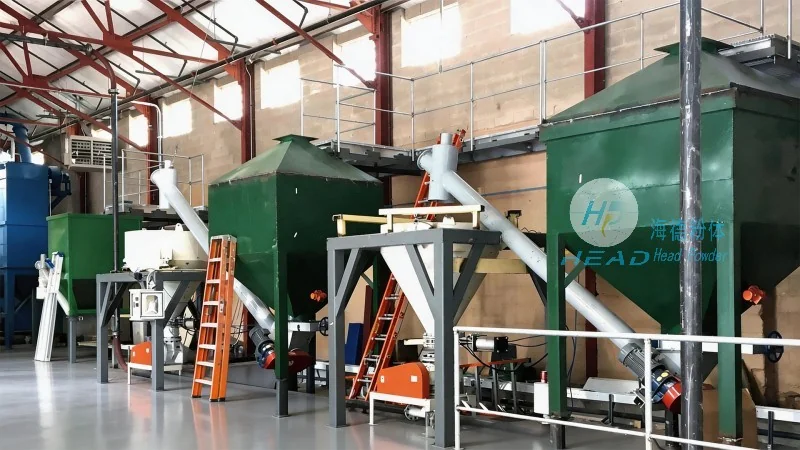
The working scenes where cellulose material handling equipment is deployed vary widely, depending on the specific industry and application. For instance, in the pulp and paper industry, these systems are used to transport raw wood chips or recycled paper fibers from storage areas to processing lines. The environment in such settings is often characterized by high humidity, dust, and the presence of moisture, which can affect the material's handling properties. In agricultural settings, the equipment may be employed to move crop residues, straw, or other organic waste from fields to storage or processing facilities. These outdoor or semi-outdoor environments introduce additional challenges, including exposure to weather elements, temperature fluctuations, and the need for durability against abrasion and corrosion. Additionally, in biofuel production facilities, the systems handle raw biomass, such as corn stover or sugarcane bagasse, which require careful handling to preserve their energy content. The working scenes also vary in terms of scale, from small-scale farm operations to large industrial plants, each with distinct requirements for throughput, material type, and operational flexibility. Understanding these diverse working environments is crucial for selecting the appropriate equipment and ensuring optimal performance.
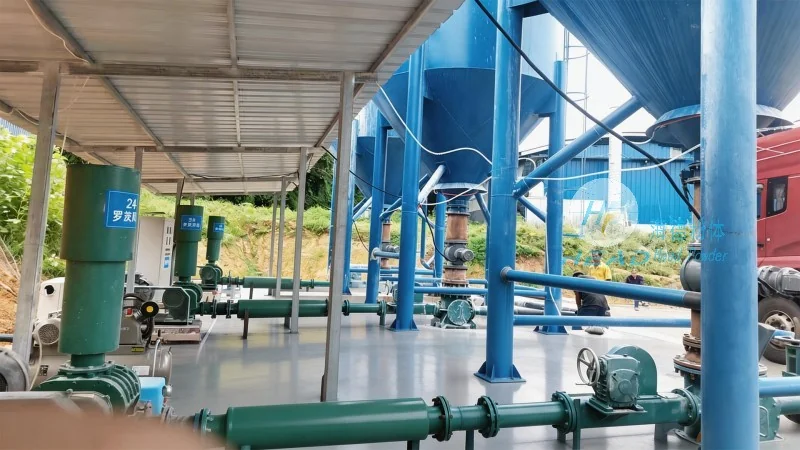
Modern cellulose material handling systems are equipped with several features that enhance their functionality and reliability. One of the primary advantages is the ability to handle a wide range of material types, from fine powders to large, bulky pieces, without significant degradation. The systems often incorporate flexible conveying solutions, such as screw conveyors, belt conveyors, and pneumatic transport systems, which can be adapted to different material characteristics. Another key feature is the integration of automation and control systems, which improve operational efficiency and reduce labor costs. These systems can be programmed to operate continuously, with minimal human intervention, and can be connected to broader industrial control networks for centralized monitoring and management. Furthermore, the equipment is designed with durability and low maintenance in mind, using high-quality materials and robust construction to withstand the rigors of continuous operation in demanding environments. This reduces downtime and maintenance costs, making the systems economically viable for long-term use.
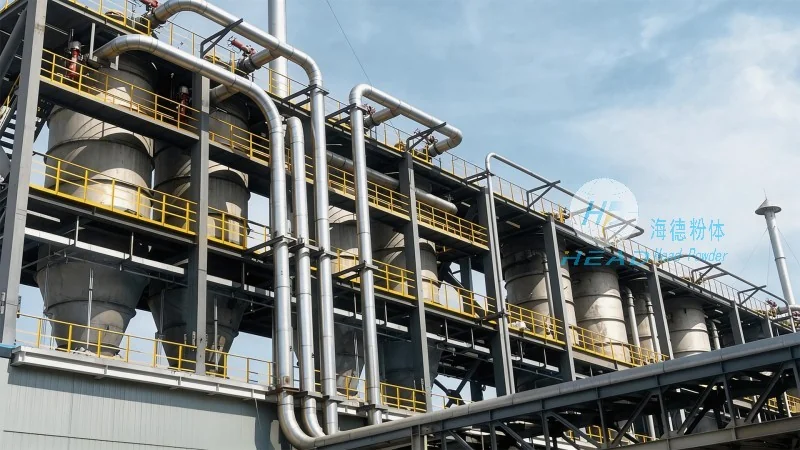
Cellulose material handling systems find applications across multiple industries, including pulp and paper, agriculture, bioenergy, and waste management. In the pulp and paper industry, these systems are essential for the efficient processing of raw materials, contributing to higher production rates and reduced operational costs. In agriculture, they facilitate the collection and processing of crop residues, which can be used as feedstock for biofuels or animal bedding. The bioenergy sector benefits from these systems by enabling the consistent supply of biomass to conversion facilities, thereby supporting the production of renewable energy. Additionally, in waste management, the equipment helps in the handling of organic waste, promoting recycling and reducing landfill usage. The impact of these systems extends beyond operational efficiency, as they contribute to sustainability goals by optimizing the use of natural resources and reducing environmental impact. By ensuring that cellulose materials are handled effectively and sustainably, these systems play a vital role in the transition to more eco-friendly industrial practices.

 Shandong Headpowder Engineering Co., Ltd.
 156-6277-7102(Manager Zhang)
  0531-83386006
  Zhangqiu District, Jinan City, Shandong Province, China
telephone
WeChatconsult
top