

Analysis of Talc Powder Pneumatic Conveying Systems
Talc powder, a widely used industrial mineral, often requires efficient and reliable material handling solutions for its transportation. Pneumatic conveying systems have emerged as a preferred method for moving talc powder due to their ability to handle fine powders with minimal dust generation and high operational efficiency. This article provides a detailed analysis of talc powder pneumatic conveying systems, focusing on their design, components, and practical applications.
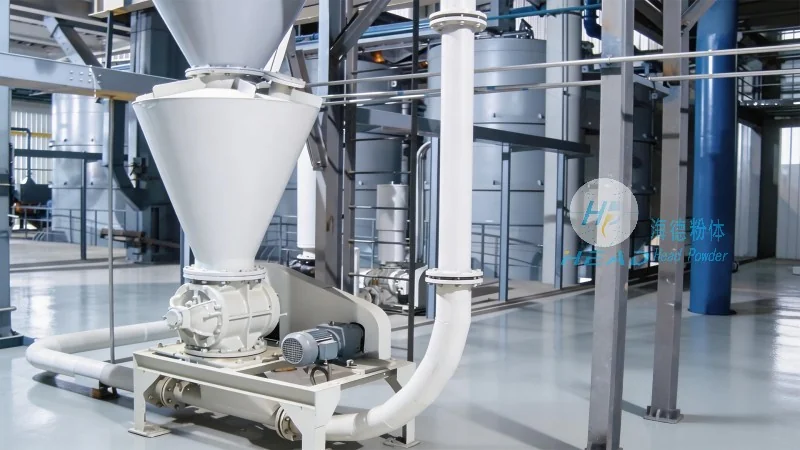
Key Components of a Talc Powder Pneumatic Conveying System
The core components of a talc powder pneumatic conveying system include the material feed hopper, rotary airlock valve, conveying line, pulse jet filter, and receiver tank. The feed hopper is designed to store and meter the talc powder, ensuring a consistent flow into the system. The rotary airlock valve acts as a seal between the hopper and the conveying line, preventing air leakage and maintaining system pressure. The conveying line, typically made of stainless steel or plastic, transports the powder through the system. The pulse jet filter is crucial for capturing fine particles and maintaining air quality, while the receiver tank collects the conveyed talc powder for further processing. Each component plays a vital role in ensuring the system operates smoothly and efficiently.
Types of Pneumatic Conveying Systems for Talc Powder
There are two primary types of pneumatic conveying systems used for talc powder: dilute phase and dense phase. Dilute phase systems use low pressure and high air velocity to transport powder in a dispersed state, suitable for short to medium distances. Dense phase systems, on the other hand, operate at higher pressure and lower air velocity, allowing for the transportation of larger quantities of powder over longer distances with less degradation. The choice between these systems depends on factors such as the distance between the source and destination, the volume of powder to be transported, and the required material handling speed. For talc powder, which is sensitive to handling conditions, dense phase systems are often preferred to minimize particle breakage and maintain product quality.
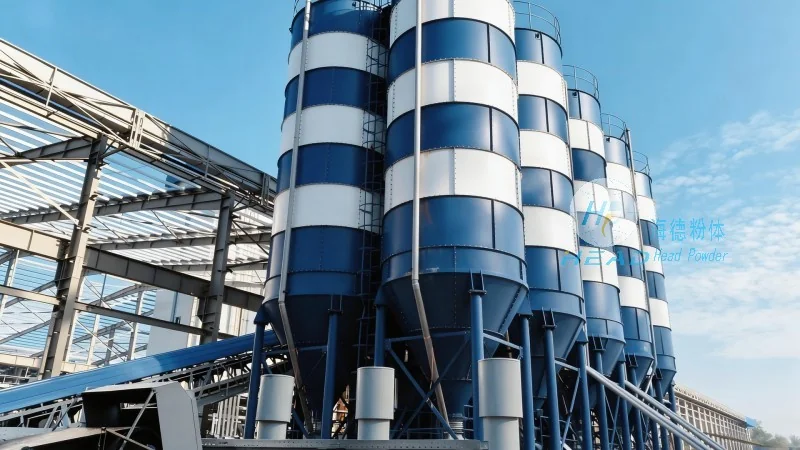
Advantages of Using Pneumatic Conveying for Talc Powder
Pneumatic conveying systems offer several advantages when handling talc powder. Firstly, they provide a dust-free environment, which is essential for maintaining product purity and worker safety. Unlike mechanical conveyors, which can generate significant dust, pneumatic systems keep the powder contained within the system, reducing the risk of contamination and exposure. Secondly, these systems are highly flexible, allowing for changes in the conveying route or capacity without major modifications. This adaptability is particularly beneficial in industrial settings where production needs may vary. Thirdly, pneumatic conveying systems are energy-efficient compared to other material handling methods, as they use compressed air to move the powder, which can be optimized for different flow rates. Additionally, they can handle talc powder with varying particle sizes and moisture content, making them suitable for diverse industrial applications.
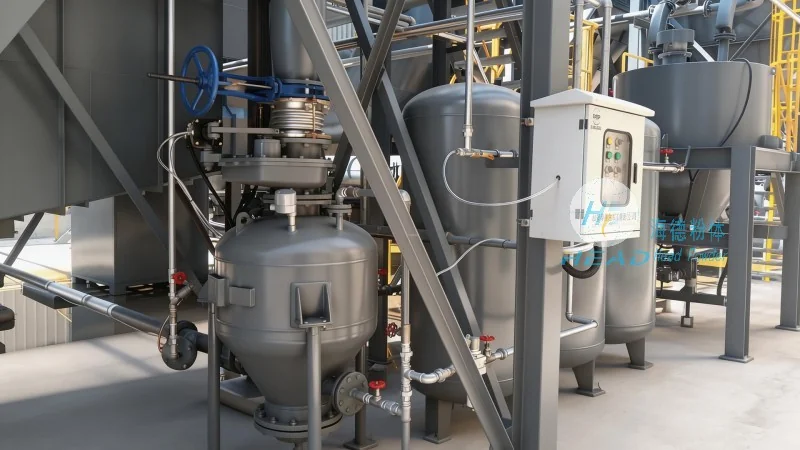
Application Examples in Industrial Settings
Talc powder pneumatic conveying systems are widely used in various industries, including cosmetics, pharmaceuticals, and ceramics. In the cosmetics industry, talc is used as a filler in powders and creams, and the conveying system ensures that the powder is transported without contamination, maintaining the product's quality and consistency. In the pharmaceutical industry, talc is used as an excipient, and the system's ability to handle fine powders with precision is critical for meeting regulatory standards. In the ceramics industry, talc is used as a raw material in the production of tiles and ceramics, and the system's efficiency in transporting large quantities of powder contributes to the overall production process. These applications highlight the importance of reliable pneumatic conveying systems in ensuring the quality and efficiency of talc powder handling in industrial settings.
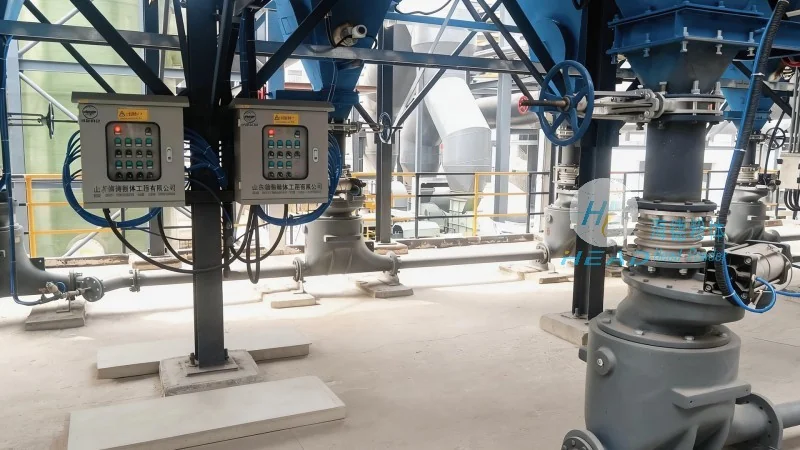
Considerations for System Design and Installation
When designing and installing a talc powder pneumatic conveying system, several factors must be considered to ensure optimal performance. The first consideration is the particle size and flow properties of the talc powder, as these affect the system's capacity and pressure requirements. The system must be designed to handle the specific characteristics of the powder, such as its moisture content and density. Second, the distance and layout of the conveying route must be carefully planned to minimize pressure losses and ensure efficient material transport. The use of appropriate pipe sizes and fittings is crucial to maintain system efficiency. Third, the system's integration with existing industrial processes must be considered, ensuring that it can be easily incorporated without disrupting current operations. Finally, regular maintenance and monitoring are essential to prevent system failures and ensure long-term reliability. Proper maintenance includes cleaning the pulse jet filter, checking for air leaks, and inspecting the conveying line for wear and tear.
Conclusion
Talc powder pneumatic conveying systems are a critical component in the efficient handling and transportation of talc powder in industrial applications. By understanding the key components, types, advantages, and considerations for system design, industries can select and implement the most suitable system for their needs. The use of such systems not only improves operational efficiency but also ensures product quality and worker safety. As a leading provider of engineering solutions, Shandong HeadPowder Engineering Co., Ltd. specializes in designing and manufacturing custom pneumatic conveying systems tailored to the specific requirements of talc powder handling, ensuring optimal performance and reliability for its clients.