With more than 10‑year industry experience, Shandong Headpowder delivers full‑service pneumatic‑conveying systems and blowers, undertaking nationwide turn‑key powder‑handling projects.
Carbon material conveying lines are essential components in industrial processes, particularly within the carbon industry. These systems are engineered to efficiently transport various carbon-based materials, such as graphite, carbon black, and other raw or processed carbon products. The core principle of these conveying lines revolves around specialized equipment designed to move materials from one location to another, often under challenging conditions like high temperatures or abrasive environments. This article explores the fundamental principles behind carbon material conveying lines and highlights the key characteristics of their working scenes, providing insights into their design, operation, and practical applications.
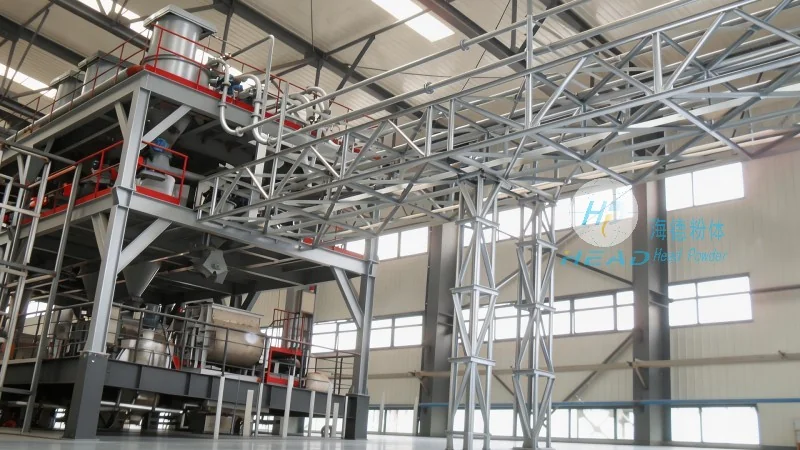
HeadPowder, a leading manufacturer in the field, specializes in the design and production of advanced carbon material handling solutions. With a strong presence in Shandong, China, the company has established a reputation for delivering high-quality conveying systems tailored to the unique demands of the carbon industry. The company’s expertise lies in understanding the specific properties of carbon materials and translating this knowledge into robust, reliable conveying solutions. By focusing on innovation and customer-centric design, HeadPowder ensures that its products meet the stringent requirements of modern industrial applications.
The operation of carbon material conveying lines is based on several key principles that ensure efficient and safe material transport. One of the primary methods used is the use of screw conveyors, which utilize a rotating screw to push materials forward. This mechanism is particularly effective for handling dry, free-flowing carbon powders and granules. Another common approach involves pneumatic conveying systems, which use air pressure to move materials through pipelines. This method is advantageous for transporting fine carbon powders over longer distances without the need for mechanical components in the line. Additionally, bucket elevators are employed in scenarios where vertical transport is required, leveraging buckets to lift materials upward. Each of these methods is selected based on the specific characteristics of the carbon material, such as particle size, moisture content, and flowability.
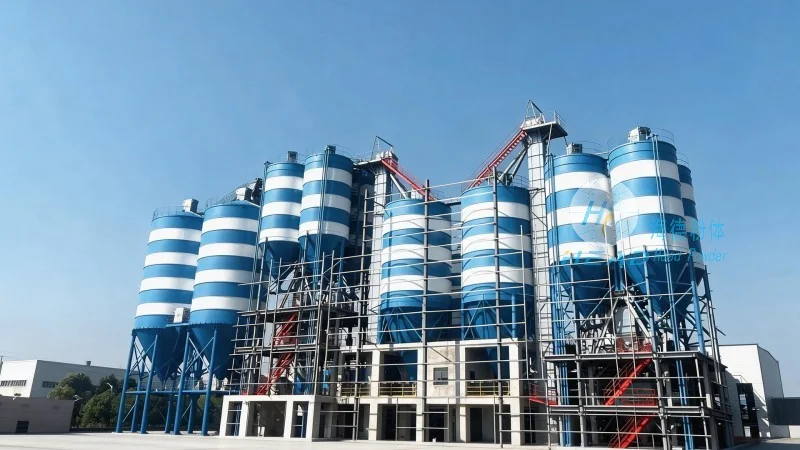
The working scenes of carbon material conveying lines are characterized by several unique factors that influence their design and operation. First, the materials being transported often have high temperatures, especially in processes like carbonization or calcination. This requires conveying systems to be constructed from heat-resistant materials, such as stainless steel or specialized alloys, to prevent degradation or failure under extreme conditions. Second, carbon materials can be abrasive, leading to wear on conveyor components. Therefore, the design incorporates wear-resistant coatings or materials to extend the lifespan of the equipment. Third, the environments in which these systems operate may be dusty or contain hazardous particles, necessitating proper sealing and dust control measures to maintain safety and compliance with industrial standards. Furthermore, the scale of operations varies widely, from small-scale laboratory applications to large industrial plants, requiring adaptable and scalable conveying solutions. These characteristics collectively define the working conditions and highlight the importance of robust engineering in carbon material handling.
Carbon material conveying lines are widely used across various applications within the carbon industry. In the production of graphite electrodes, for instance, conveying systems transport raw graphite and additives to mixing and pressing stations. The precision and reliability of these lines are crucial for maintaining consistent material quality, which directly impacts the performance of the final product. Similarly, in the manufacturing of carbon black, conveying lines move the fine powder from reactors to storage silos or processing units. The ability to handle high volumes of fine particles efficiently is essential for optimizing production throughput. Additionally, in the production of carbon fibers, conveying systems transport precursor materials and finished fibers between different stages of the manufacturing process. These applications demonstrate the versatility of carbon material conveying lines and their critical role in ensuring smooth and efficient industrial operations.
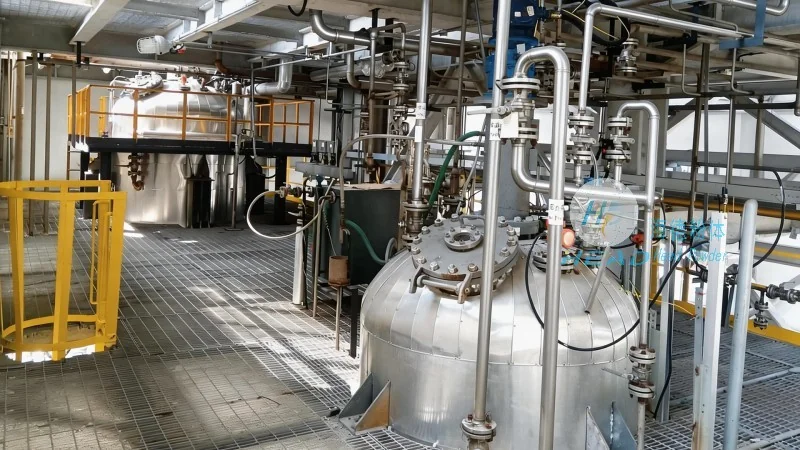
Designing an effective carbon material conveying line involves careful consideration of several factors to ensure optimal performance. Material selection is paramount, as the components must withstand the corrosive and abrasive nature of carbon materials. For example, the screws and hoppers are often made from stainless steel or high-grade alloys to resist wear and chemical attack. Additionally, the system must be equipped with proper sealing mechanisms to prevent dust leakage and maintain a clean working environment. The choice of conveying method also depends on the material's properties; for instance, dense and coarse materials may be better suited for mechanical screw conveyors, while fine powders are more efficiently handled by pneumatic systems. By addressing these design considerations, manufacturers can develop conveying systems that are both efficient and durable, meeting the demands of modern carbon industry applications.
Maintenance and safety are critical aspects of operating carbon material conveying lines to ensure long-term reliability and operational safety. Regular maintenance is essential to prevent equipment failure and extend the lifespan of the system. This includes routine inspections of conveyor components, such as screws, bearings, and seals, to identify signs of wear or damage. Lubrication of moving parts is also important to reduce friction and prevent overheating. In addition to maintenance, safety measures must be implemented to protect operators and prevent accidents. Dust suppression systems are commonly used to control airborne particles and reduce the risk of explosions or respiratory issues. Proper grounding and electrical safety protocols are also necessary, especially when handling conductive carbon materials. Training operators on the safe operation of the conveying line and emergency procedures is another key aspect of maintaining a safe working environment. By prioritizing maintenance and safety, companies can ensure that their carbon material conveying lines operate efficiently and without incident, contributing to overall productivity and compliance with industrial regulations.

 Shandong Headpowder Engineering Co., Ltd.
 156-6277-7102(Manager Zhang)
  0531-83386006
  Zhangqiu District, Jinan City, Shandong Province, China
telephone
WeChatconsult
top