

What is a Flour Material Pneumatic Conveying Machine? And What Are Its Design Principles?
For businesses in the flour processing industry, efficient material handling is crucial to maintaining production efficiency and product quality. A key solution for this is the flour material pneumatic conveying machine, a system designed to transport bulk materials like flour through a pipeline using air pressure. This article explores what these machines are and the underlying design principles that make them effective for flour handling.
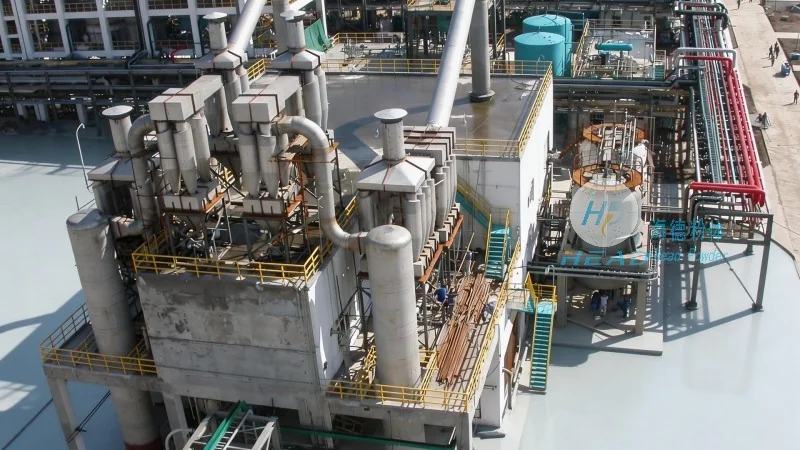
About HeadPowder: A Leader in Pneumatic Conveying Solutions
HeadPowder, a prominent company based in Shandong, China, specializes in engineering and manufacturing advanced pneumatic conveying systems. With a focus on precision and reliability, HeadPowder has established itself as a trusted provider of equipment tailored to the unique demands of flour and other fine powder applications. The company’s commitment to quality and innovation ensures that their machines meet the stringent requirements of modern flour processing facilities.
Understanding Pneumatic Conveying for Flour
Pneumatic conveying machines operate by using air to move bulk materials through a sealed pipeline. In the case of flour, these systems are designed to handle fine, dry powders that are prone to dust and caking. The primary goal is to transport flour from storage silos or processing units to packaging lines or other destinations without the need for mechanical components like belts or buckets. This method not only reduces the risk of contamination but also minimizes product degradation, preserving the quality of the flour.
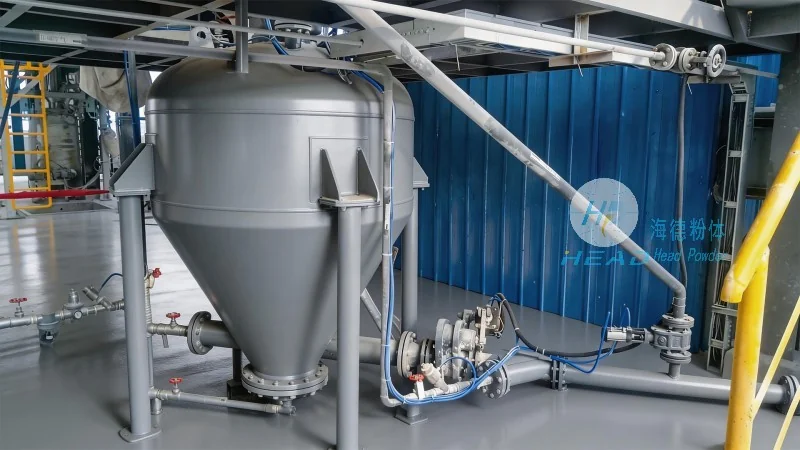
Key Design Principles of Flour Pneumatic Conveying Machines
The effectiveness of a flour pneumatic conveying machine depends on several critical design principles. First, the system must maintain a consistent air flow to ensure smooth material transport. This is achieved through the use of appropriate air compressors and flow control devices that regulate the pressure and velocity of the air within the pipeline. Second, the design must consider the particle size and density of the flour, as these factors influence the required air velocity and pressure to prevent material settling or blockages. For flour, which is typically a fine powder with low bulk density, higher air velocities are often needed to maintain a consistent flow.
Third, the system incorporates features to prevent material degradation and caking. This includes the use of gentle air flow patterns, such as pulse or dilute phase conveying, which minimizes friction and heat generation. Additionally, the pipeline design may include bends and fittings that are smooth and free of sharp edges to avoid particle damage. The materials used for the pipeline and components are also critical; they must be non-reactive with the flour and resistant to corrosion or wear from the powder.
Components and Functionality of a Flour Pneumatic Conveying System
A typical flour pneumatic conveying system consists of several key components. The main elements include a material hopper or silo, an air compressor, a conveying line (often made of stainless steel or other corrosion-resistant materials), and a control system. The material is fed into the hopper, where it is then drawn into the conveying line by the air flow generated by the compressor. The air and material mixture travels through the pipeline to the destination point, such as a packaging machine or another processing unit. The control system monitors the flow rate, pressure, and other parameters to ensure optimal operation and prevent issues like over-pressurization or material blockages.
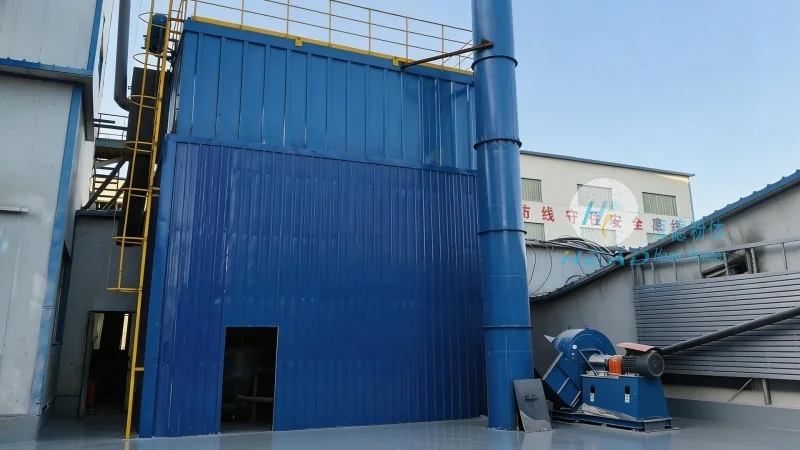
Advantages of Using Pneumatic Conveying for Flour
Implementing a pneumatic conveying system for flour offers several advantages over traditional mechanical methods. First, it provides a clean and hygienic method of material transport, as the system is enclosed and sealed, preventing dust from escaping into the environment. This is particularly important in food processing facilities where maintaining a clean environment is essential for product safety and regulatory compliance. Second, pneumatic conveying reduces the risk of product contamination, as the materials are not in direct contact with external surfaces or mechanical parts. Third, the system is flexible and can be easily integrated into existing production lines, allowing for adjustments in flow rates and destinations as needed. Additionally, the use of air as the transport medium minimizes wear and tear on equipment, reducing maintenance costs and extending the lifespan of the system.
Conclusion: The Role of Pneumatic Conveying in Flour Processing
Flour material pneumatic conveying machines are essential equipment for modern flour processing facilities, offering efficient, hygienic, and reliable material handling solutions. By understanding the design principles and components of these systems, businesses can select the most appropriate equipment to meet their specific needs. With companies like HeadPowder providing advanced solutions tailored to the flour industry, the adoption of pneumatic conveying continues to grow as a preferred method for transporting fine powders. The key to success lies in selecting a system that is well-designed, properly maintained, and integrated with the overall production process, ensuring optimal performance and product quality.