

What is a Cement Particulate Material Pneumatic Conveyor? What Are Its Design Principles?
A cement particulate material pneumatic conveyor is a specialized industrial equipment designed to transport bulk cement or other fine particulate materials through a pipeline using air or gas as the conveying medium. This technology offers an efficient and flexible solution for moving cement from storage silos or production lines to processing units, such as mixers or packaging stations. Unlike traditional mechanical conveyors, pneumatic systems eliminate the need for physical contact between the material and the conveyor components, reducing wear and maintenance requirements while ensuring a clean and dust-free transfer process.
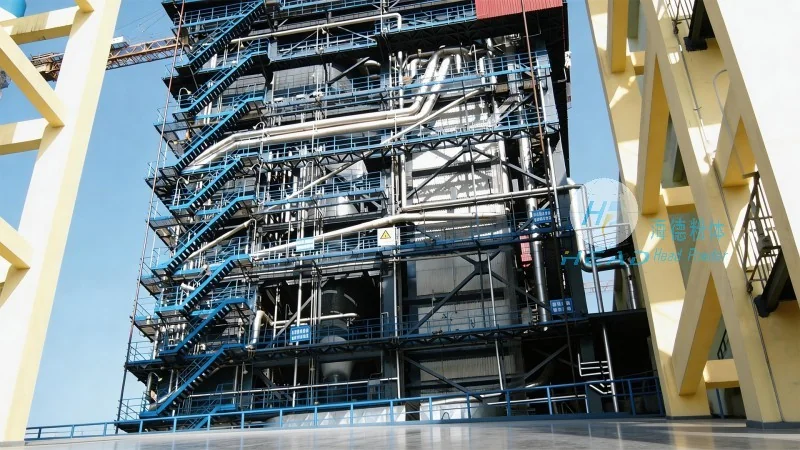
Key Components of the Pneumatic Conveyor System
The cement particulate material pneumatic conveyor typically consists of several critical components that work in tandem to achieve effective material transport. The primary components include:
- Feed Hopper: A container that holds the bulk cement and regulates the flow of material into the system. It often features a gate valve or rotary valve to control the discharge rate.
- Air Lock: A device that prevents backflow of air and material, ensuring a controlled and continuous flow from the hopper to the conveyor line.
- Pneumatic Conveying Line: A network of pipes where the cement particles are suspended and carried by the air stream. The line may include bends, expansions, or reductions to accommodate changes in direction or elevation.
- Separation and Collection System: This component, often a cyclone separator or a baghouse filter, separates the cement particles from the air stream and collects them in a designated container or silo.
- Blower or Fan: The power source that generates the air or gas flow, providing the necessary pressure and velocity to move the cement particles through the system.
Design Principles and Operational Mechanics
The design principles of a cement particulate material pneumatic conveyor are centered on the fundamental physics of fluidization and suspension. The system operates by creating a high-velocity air stream that lifts and transports the cement particles. The key design considerations include:
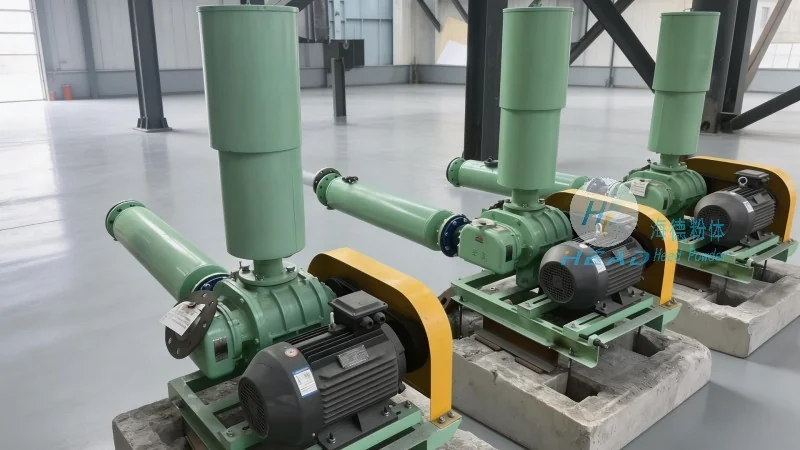
- Velocity and Pressure: The air velocity must be sufficient to keep the cement particles suspended in the air stream, typically ranging from 20 to 30 meters per second for fine cement powders. The system pressure is carefully controlled to balance the conveying efficiency with energy consumption.
- Particle Size and Density: The design must account for the specific characteristics of the cement particles, such as their size distribution, density, and moisture content. Larger or denser particles may require higher air velocities or additional energy to maintain suspension.
- System Sizing and Layout: The conveyor line diameter and length are determined based on the required material flow rate, distance, and elevation changes. Proper sizing ensures that the air velocity remains within the optimal range throughout the entire system.
- Material Handling Efficiency: The design aims to minimize material degradation, such as agglomeration or breakage, by maintaining gentle handling and avoiding excessive turbulence or pressure drops.
Applications and Benefits in Cement Industry
Cement particulate material pneumatic conveyors are widely used in the cement manufacturing and processing industry for various applications. They are particularly suitable for:
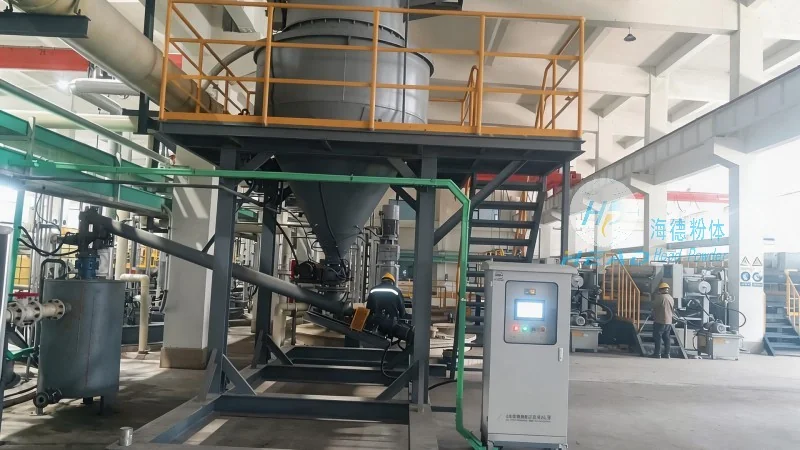
- Transferring cement from storage silos to production lines, including raw material handling and finished product packaging.
- Transporting cement between different stages of the production process, such as from grinding mills to storage silos or from silos to batching plants.
- Handling fine cement powders that are prone to dust and require a dust-free transfer method.
The benefits of using pneumatic conveyors for cement transport include improved operational efficiency, reduced labor costs, and enhanced safety compared to manual or mechanical handling methods. The systems are also compact and can be easily integrated into existing production facilities, making them a versatile solution for modern cement plants.
About Shandong HeadPowder Engineering Co., Ltd.
Shandong HeadPowder Engineering Co., Ltd., commonly known as HeadPowder, is a leading manufacturer of industrial material handling equipment, including cement particulate material pneumatic conveyors. With a strong focus on innovation and quality, HeadPowder has established itself as a trusted partner in the cement and bulk material processing industry. The company is headquartered in Shandong, China, and serves clients globally with customized solutions tailored to their specific material handling needs. HeadPowder's commitment to excellence ensures that its pneumatic conveyor systems meet the highest standards of performance, reliability, and durability, providing long-term value to its customers.