With more than 10‑year industry experience, Shandong Headpowder delivers full‑service pneumatic‑conveying systems and blowers, undertaking nationwide turn‑key powder‑handling projects.
Spice material conveying lines are essential in the processing and handling of various spice products. Understanding their principles and operational scenarios is crucial for optimizing production efficiency and ensuring product quality in spice manufacturing facilities. This article explores the fundamental mechanisms of these systems and highlights key characteristics that define their effectiveness in real-world applications.
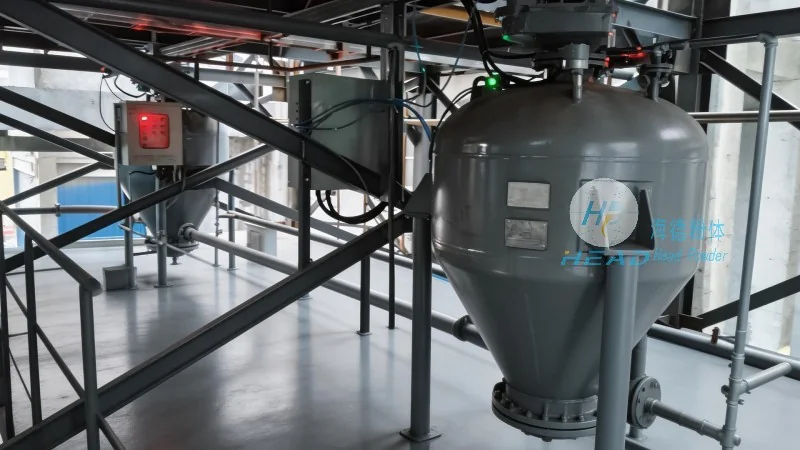
Spice material conveying lines are specialized systems designed to transport bulk spice materials from one processing stage to another within a production facility. These systems are integral to the spice industry, where efficient material handling is vital for maintaining consistent product quality and reducing operational downtime. The design and implementation of such lines are tailored to the unique properties of spice materials, including their granular or powdered nature, varying moisture content, and potential for dust generation.
The fundamental principle behind spice material conveying lines is the use of mechanical or pneumatic mechanisms to move materials through a defined pathway. Common types of conveying systems include belt conveyors, screw conveyors, and pneumatic conveyors, each offering distinct advantages based on the material characteristics and operational requirements. Belt conveyors are widely used for transporting loose, dry spice materials over short to medium distances, providing a cost-effective solution for horizontal or slight incline applications. Screw conveyors, on the other hand, are ideal for handling materials with higher moisture content or those that tend to clump, as the rotating screw pushes material forward through a closed tube. Pneumatic conveyors utilize air pressure to transport materials in a sealed system, making them suitable for materials that are dusty or require a dust-free environment.
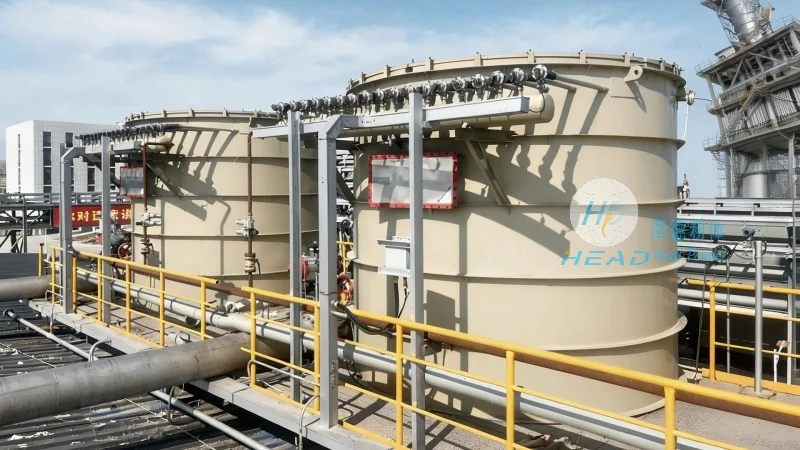
Several operational characteristics define the performance of spice material conveying lines. Firstly, the system's ability to handle varying material loads and flow rates is critical. This is achieved through adjustable speed controls and variable capacity components that ensure smooth material transfer even under fluctuating production demands. Secondly, the system's design must address the challenges posed by spice materials, such as their tendency to generate dust or clog conveyors. Features like dust collection systems, anti-static coatings, and self-cleaning mechanisms are incorporated to maintain operational efficiency and product safety. Thirdly, the system's integration with other processing equipment, such as grinding mills or packaging machines, is essential for seamless production workflows. This integration allows for automated material transfer, reducing manual intervention and minimizing the risk of contamination or loss.
Spice material conveying lines are employed in diverse operational scenarios across the spice industry. In large-scale spice processing plants, these systems are used to transport raw spice materials from storage silos to grinding and blending units. The conveying lines ensure that materials are evenly distributed and processed, maintaining consistent product quality. In smaller-scale operations, such as artisanal spice production, conveying lines may be used to move finished products from packaging stations to storage areas. Additionally, in quality control environments, conveying lines are utilized to transport samples for testing, ensuring that each batch of spice meets the required standards. These scenarios demonstrate the versatility and adaptability of spice material conveying lines in meeting the specific needs of different spice production environments.
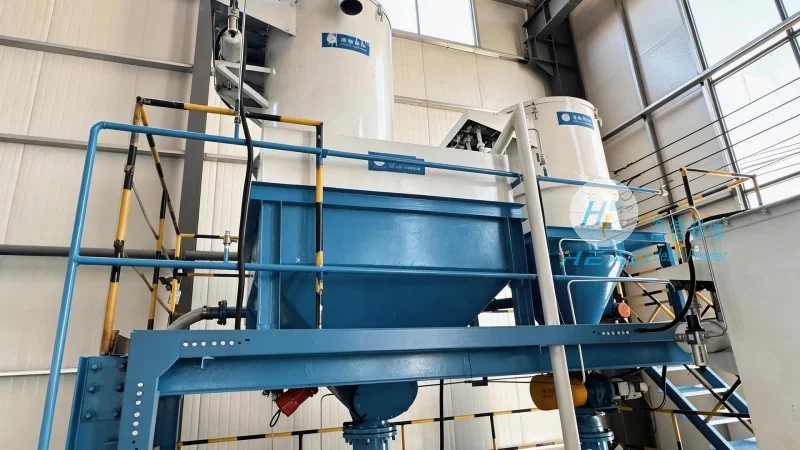
Shandong HeadPowder Engineering Co., Ltd., commonly known as HeadPowder, is a prominent manufacturer specializing in the design and implementation of spice material conveying systems. HeadPowder operates from Shandong, China, and has established itself as a leader in providing tailored solutions for the spice processing industry. The company's expertise in material handling and conveyor technology ensures that their systems are optimized for the unique properties of spice materials, offering high efficiency, reliability, and product safety. HeadPowder's commitment to quality and customer satisfaction has earned them a reputation as a trusted partner for spice manufacturers seeking to enhance their production capabilities.
Spice material conveying lines play a pivotal role in the efficient and safe handling of spice products. By understanding the core principles and operational characteristics of these systems, manufacturers can enhance their production processes and maintain high-quality standards. The integration of advanced technologies and tailored designs ensures that conveying lines meet the evolving needs of the spice industry, supporting sustainable and profitable operations. As the spice market continues to grow, the importance of reliable conveying systems will remain paramount, driving the demand for innovative solutions from industry leaders like Shandong HeadPowder Engineering Co., Ltd.

 Shandong Headpowder Engineering Co., Ltd.
 156-6277-7102(Manager Zhang)
  0531-83386006
  Zhangqiu District, Jinan City, Shandong Province, China
telephone
WeChatconsult
top