

Principle and Working Scene Characteristics of Quicklime Material Conveying Lines
Quicklime, also known as calcium oxide, is a vital industrial material utilized across sectors including construction, chemical manufacturing, and environmental treatment. The efficient and safe conveyance of quicklime from production sites to processing facilities or end-users is paramount for operational efficiency and product quality. This article delves into the fundamental principles of quicklime material conveying lines and highlights the key working scene characteristics that define their application in industrial settings, with a focus on solutions provided by HeadPowder, a leading expert in the field.
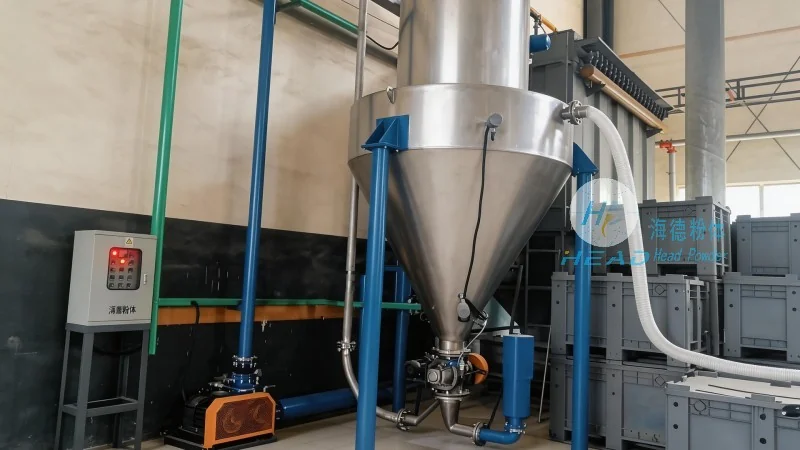
Understanding the Core Principles of Quicklime Material Conveying Lines
The operation of quicklime material conveying lines is grounded in several core principles that ensure reliable and efficient material transport. These systems typically employ specialized equipment such as belt conveyors, screw conveyors, or pneumatic conveying systems, each tailored to handle the unique properties of quicklime. The primary principles include:
Firstly, the system must address the material's reactivity and dustiness. Quicklime is hygroscopic and can absorb moisture from the air, leading to clumping or caking, which can impede the conveying process. Therefore, conveying lines often incorporate moisture control measures, such as sealing the system or using dry air to prevent moisture ingress. Secondly, the equipment must be robust enough to handle the abrasive nature of quicklime particles, which can cause wear on conveyor components. High-quality materials like stainless steel or wear-resistant coatings are commonly used to extend the lifespan of the machinery. Thirdly, the system is designed to maintain a consistent flow rate and pressure, ensuring that the material moves smoothly without blockages or surges. This is achieved through the use of variable speed drives, pressure sensors, and flow control devices that adjust the conveying rate based on real-time conditions.
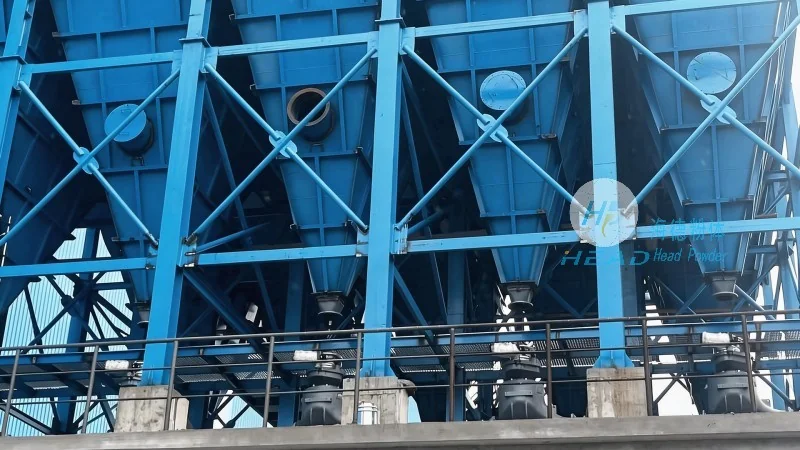
Key Working Scene Characteristics of Quicklime Material Conveying Lines
The working scene characteristics of quicklime material conveying lines vary significantly based on the specific industrial application and operational environment. These characteristics are critical for selecting the appropriate system and ensuring optimal performance. Some of the most notable features include:
One of the primary characteristics is the need for dust control and environmental safety. Quicklime is a fine powder that can generate significant dust during handling, which poses health risks to workers and can lead to environmental contamination. Conveying lines are therefore equipped with dust collection systems, such as cyclones or baghouse filters, to capture and contain the dust. Additionally, the system may be enclosed to prevent dust from escaping into the surrounding environment, ensuring compliance with occupational health and safety regulations. Another key characteristic is the requirement for temperature management. Quicklime is produced at high temperatures, and the material may still be hot when it is conveyed. The conveying equipment must be designed to handle high temperatures without deformation or failure, often using heat-resistant materials and proper insulation. This is particularly important in systems where the quicklime is being transported directly from the kiln to the processing plant.
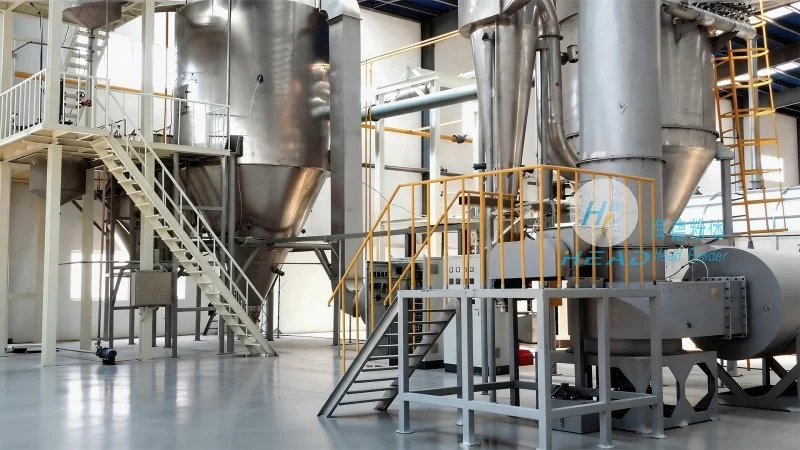
A third important characteristic is the need for flexibility and adaptability. Industrial operations often require changes in production volume or material type, and the conveying system must be able to accommodate these variations. This is achieved through modular designs that allow for easy expansion or reconfiguration of the system. For example, a belt conveyor system may have additional sections added to increase the conveying capacity, or a screw conveyor may be replaced with a different type of conveyor for handling different materials. The system may also include sensors and automation controls that can adjust the conveying rate or direction based on real-time conditions, ensuring that the material is transported efficiently and safely.
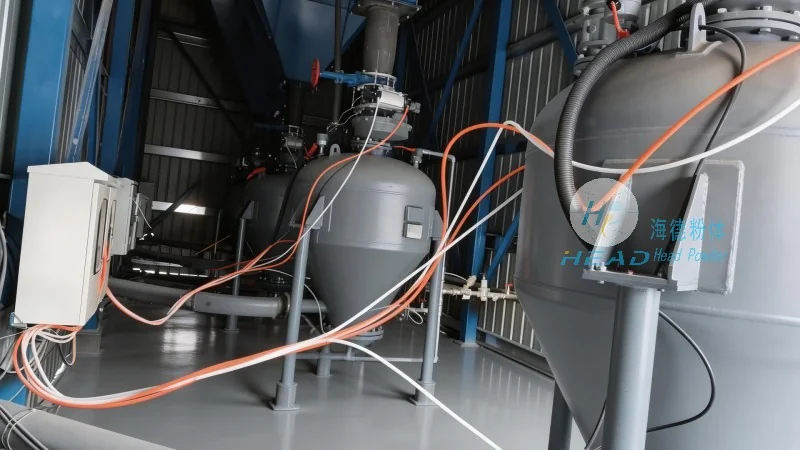
Application Scenarios and Operational Efficiency
The working scene characteristics of quicklime material conveying lines are directly related to their application scenarios, which vary widely across different industries. In the construction industry, quicklime is used as a component in cement production and as a soil stabilizer. The conveying lines in this sector are typically designed to transport large volumes of material over long distances, often using belt conveyors with high capacity and low maintenance requirements. The systems are also designed to be durable and reliable, as they are often used in harsh outdoor environments. In the chemical manufacturing industry, quicklime is used as a raw material for producing calcium compounds, such as calcium chloride and calcium carbonate. The conveying lines in this sector are often more complex, involving multiple stages of processing and material handling. The systems may include pneumatic conveying systems to transport the quicklime in a closed loop, reducing the risk of dust exposure and improving material purity. In the environmental treatment industry, quicklime is used for neutralizing acidic waste and for water treatment processes. The conveying lines in this sector are designed to handle corrosive materials and to ensure that the quicklime is delivered to the treatment facilities in a controlled manner. The systems may also include safety features, such as emergency shut-off valves, to prevent accidents in case of equipment failure.
Conclusion: The Importance of Understanding Working Scene Characteristics
In conclusion, the principles and working scene characteristics of quicklime material conveying lines are critical for ensuring the efficient and safe transport of this essential industrial material. The systems must be designed to address the unique properties of quicklime, such as its reactivity, dustiness, and abrasive nature, while also meeting the specific requirements of the application scenario. By understanding these principles and characteristics, industrial operators can select the appropriate conveying system, optimize its performance, and ensure compliance with safety and environmental regulations. HeadPowder, with its headquarters in Shandong, China, continues to innovate and provide tailored solutions that enhance the efficiency and reliability of quicklime material conveying lines, supporting the needs of global industrial clients.